


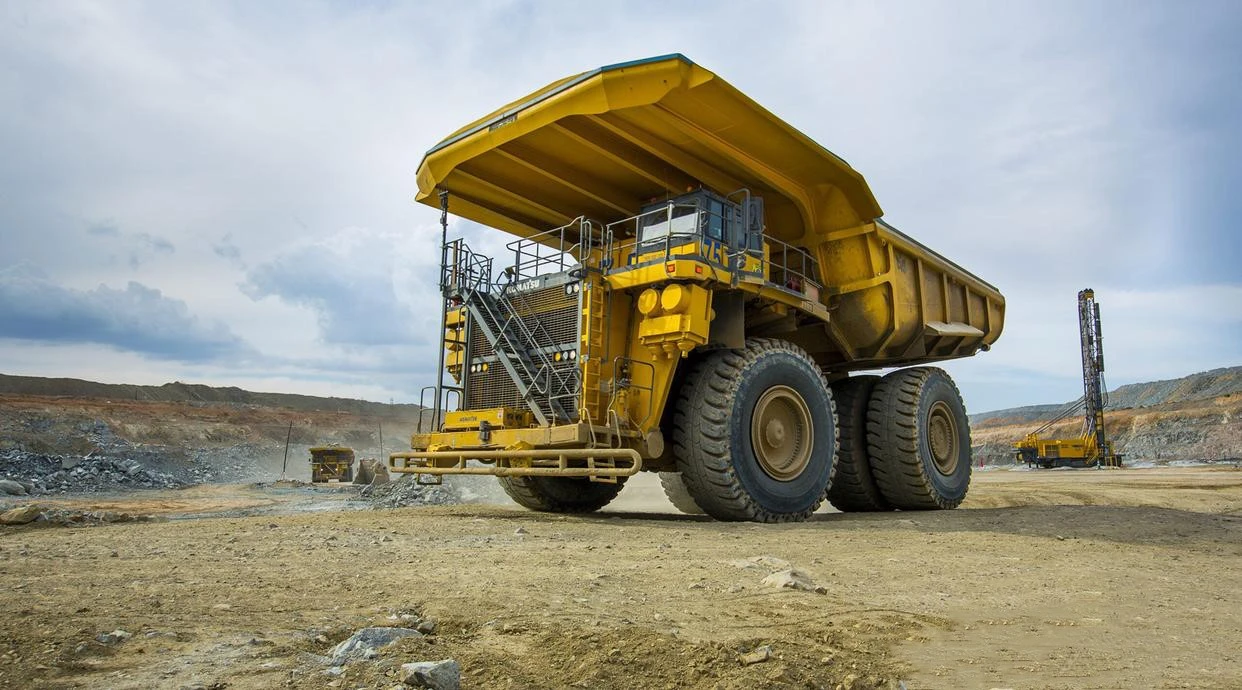
Can a tank easily crush a car? Maybe an ordinary passenger car. But if we're talking about a mining truck, it's anyone's guess who would come out on top.
China's most advanced main battle tank, the Type 99A, weighs about 55 tons. A mining truck? The lighter ones weigh over 200 tons; the heavier ones exceed 300 tons. Even a tank looks small next to that.
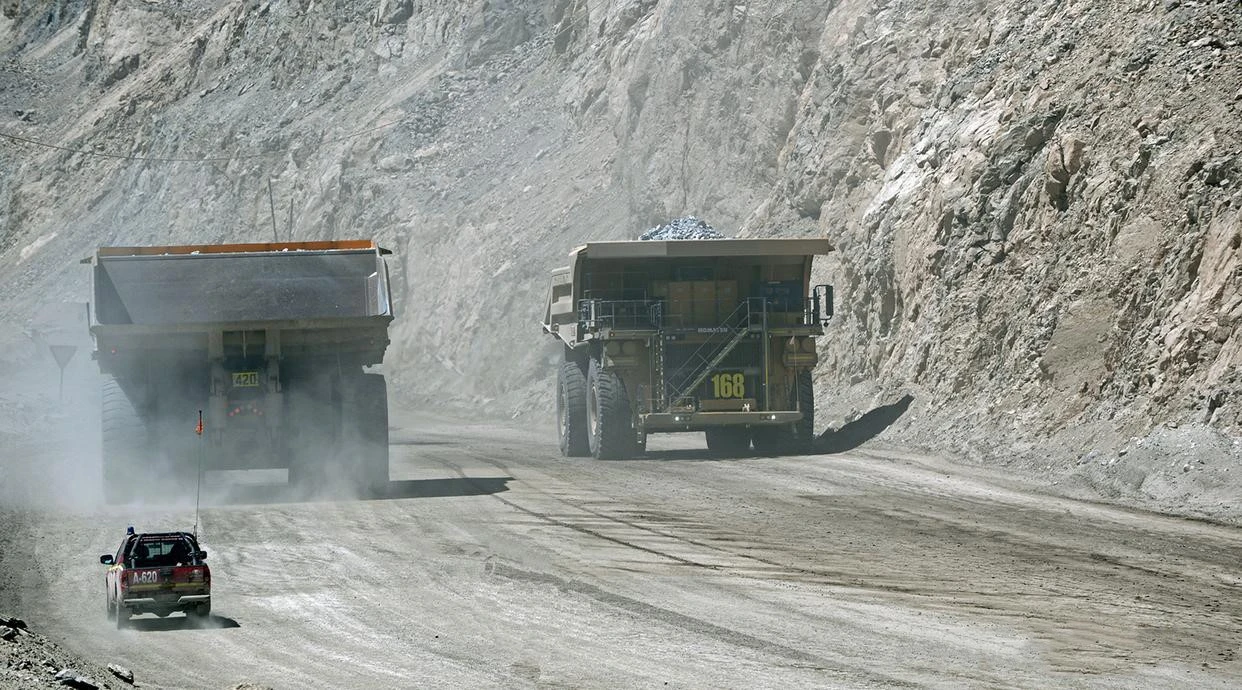
Most people will never see one in their lifetime. And here's something even more surprising: the giant is electrically driven.
Not all mining trucks are electric, but most are. Inside this massive machine sits a massive diesel engine, usually with a displacement of around 100 liters. One fill-up takes 5,000 to 6,000 liters.
But here's the catch – the diesel engine doesn't drive the wheels directly. Instead, it powers a generator, which drives electric motors at the wheels.
Why not just use a mechanical drivetrain?
First, electric drive systems are much simpler. Mechanical systems need a clutch, gearbox, differential, and more. Electric drive takes up less space, reduces weight, and allows the truck to carry more payload.
Second, and more importantly, electric drive has a much lower failure rate, longer maintenance intervals, and lower servicing costs.
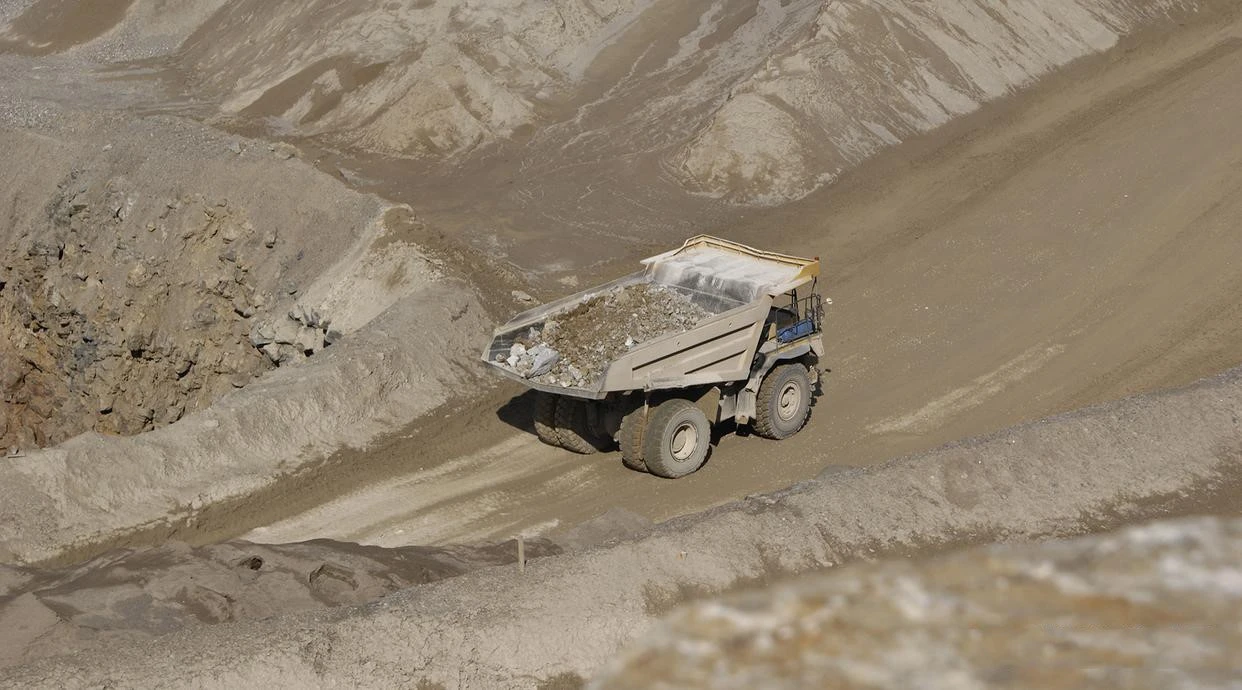
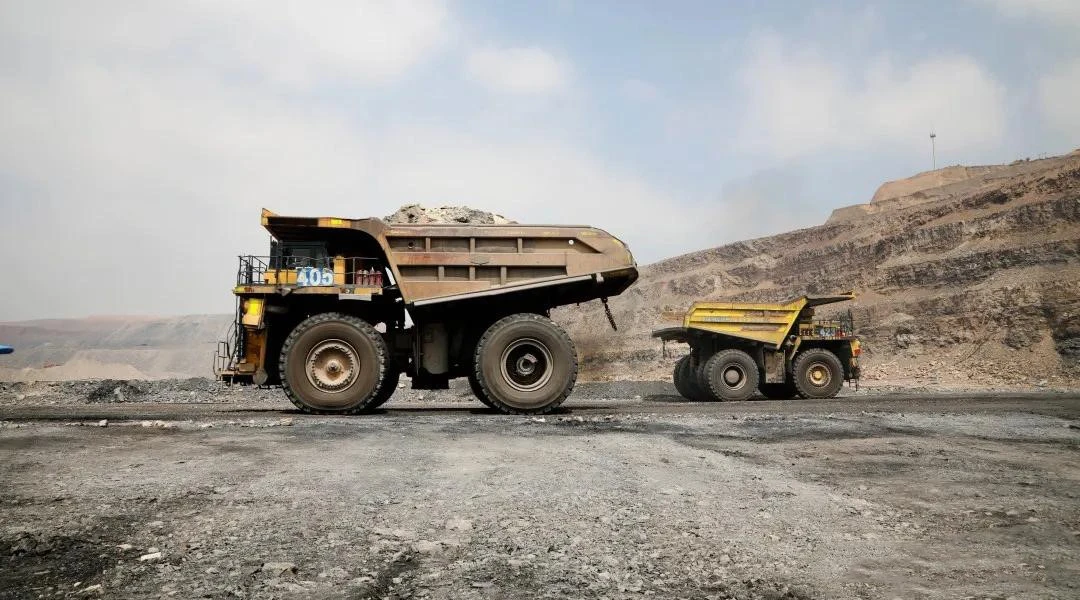
Why are maintenance costs so critical? Because servicing these trucks is a nightmare. Mines are harsh environments – major repairs can't be done on site. A heavy maintenance job means sending the truck back to the factory.
And here's the problem: a mining truck never hits public roads. With only six wheels and up to 300 tons of weight, that much mass would destroy any standard road surface. So, even getting a mining truck from the factory to the mine requires specialized transport – and that's a logistical operation in itself.
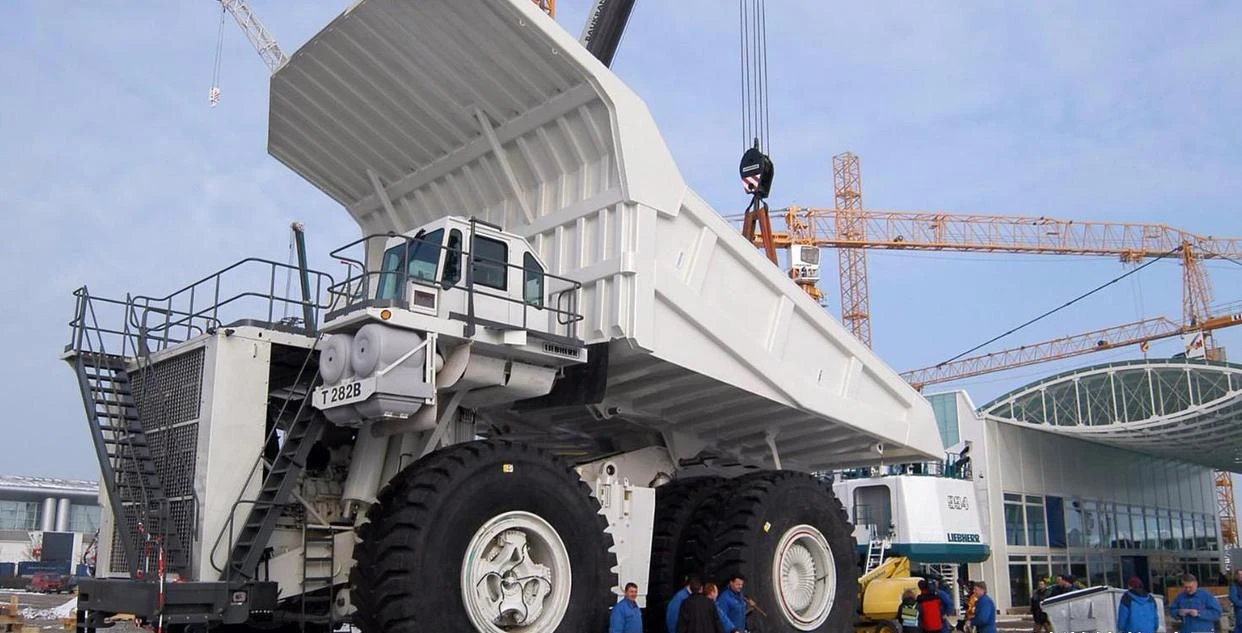
In short: the mining truck doesn't just move rocks. It moves mountains – and it does it quietly, with electric brains and diesel muscles.


