


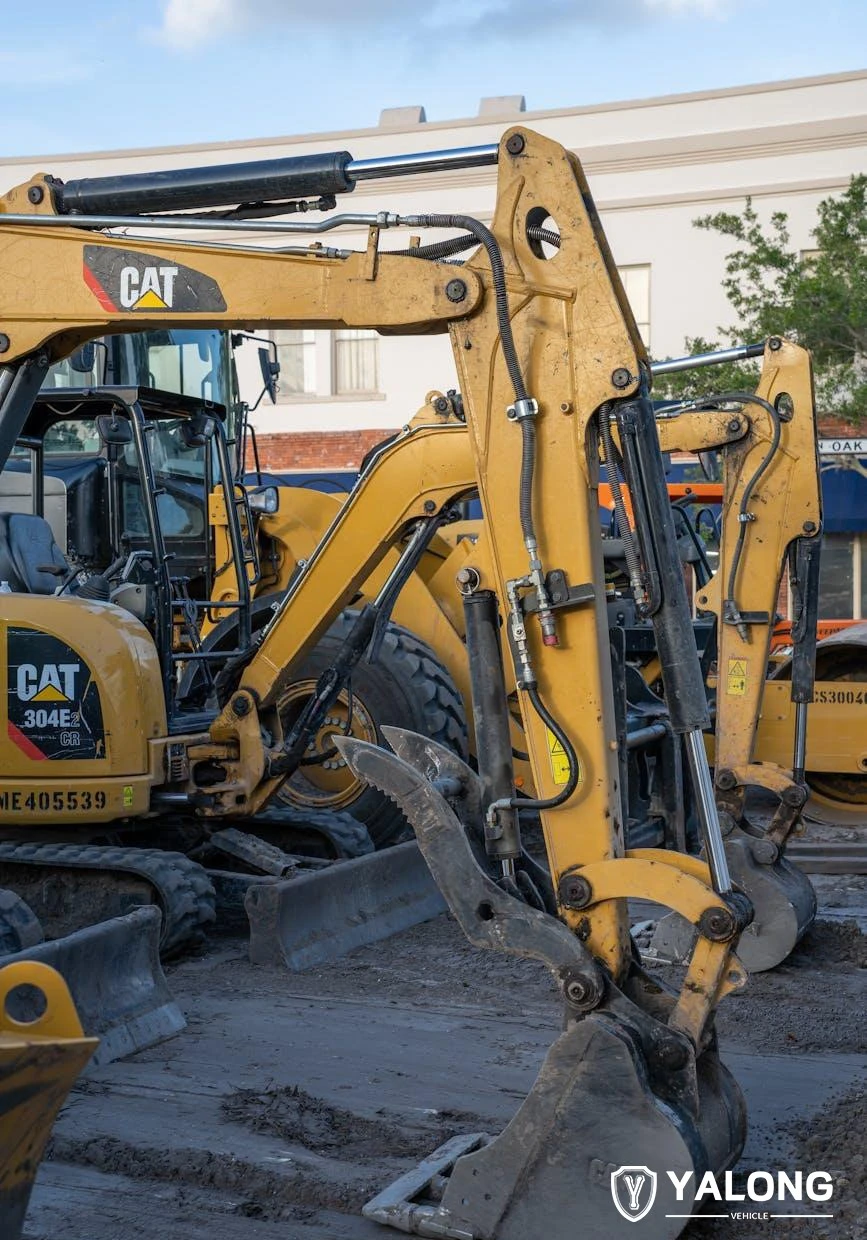
Key Tools (ranked by frequency of use):
19–24mm socket wrench – A master of torque control, precise as a surgeon's scalpel
32–36mm box-end wrench – The iron arm for heavy-duty tasks
Copper hammer – A powerhouse that delivers force while sparking gently upon impact
Reliable Assistants:
Grease gun – The "nutritionist" for mechanical joints
Diesel fuel – The "scavenger" clearing the equipment's lifeblood
Pry bar – A "magician of strength" dancing to the principles of leverage
Gloves & safety goggles – "Invisible shields" protecting your hands and eyes
Wisdom in Preparation:
Shaft Dust Boots – "Loyal Guardians" against sand and dust
Anti-Loosening Washers – "Lifelong Companions" for fasteners
Lithium-Based Grease – The "Secret to Youth" that keeps metal singing
Every tool is a reliable partner, helping you handle the challenges of various working conditions with ease.
Removing the old bucket: Don't just hammer away forcefully! "Loosen things up" before attempting removal.
Grease: Reduce resistance on the bucket pin. Locate the grease fitting on the pin; use a grease gun to draw out the old grease (reverse suction) or unscrew the fitting and clear it with a wire to ensure the old grease inside the pin assembly can be fully purged.
Remove dust covers and bolts: Use a socket wrench to unscrew the mounting bolts at both ends of the dust cover and remove the cover. Then, unscrew the nut at the end of the bucket pin; if the nut is rusted, spray it with rust penetrant and wait five minutes before turning.
Knock out the bucket pin: Apply force correctly to avoid damaging the mounting lugs. Use a copper hammer to drive the pin from the non-threaded end toward the threaded end. If it won't budge, gently rock the excavator's dipper arm up and down to break the bond between the pin and the lugs.
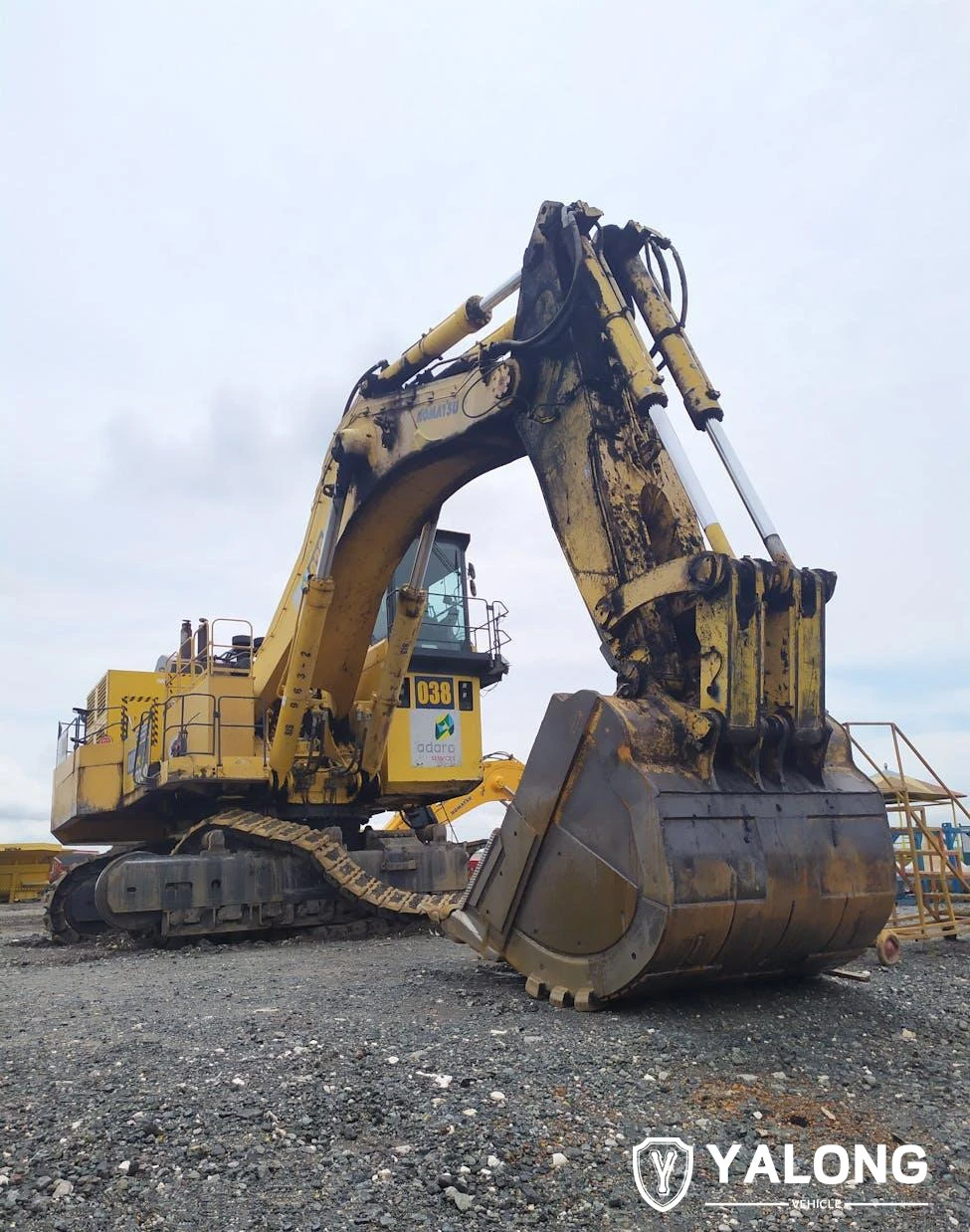
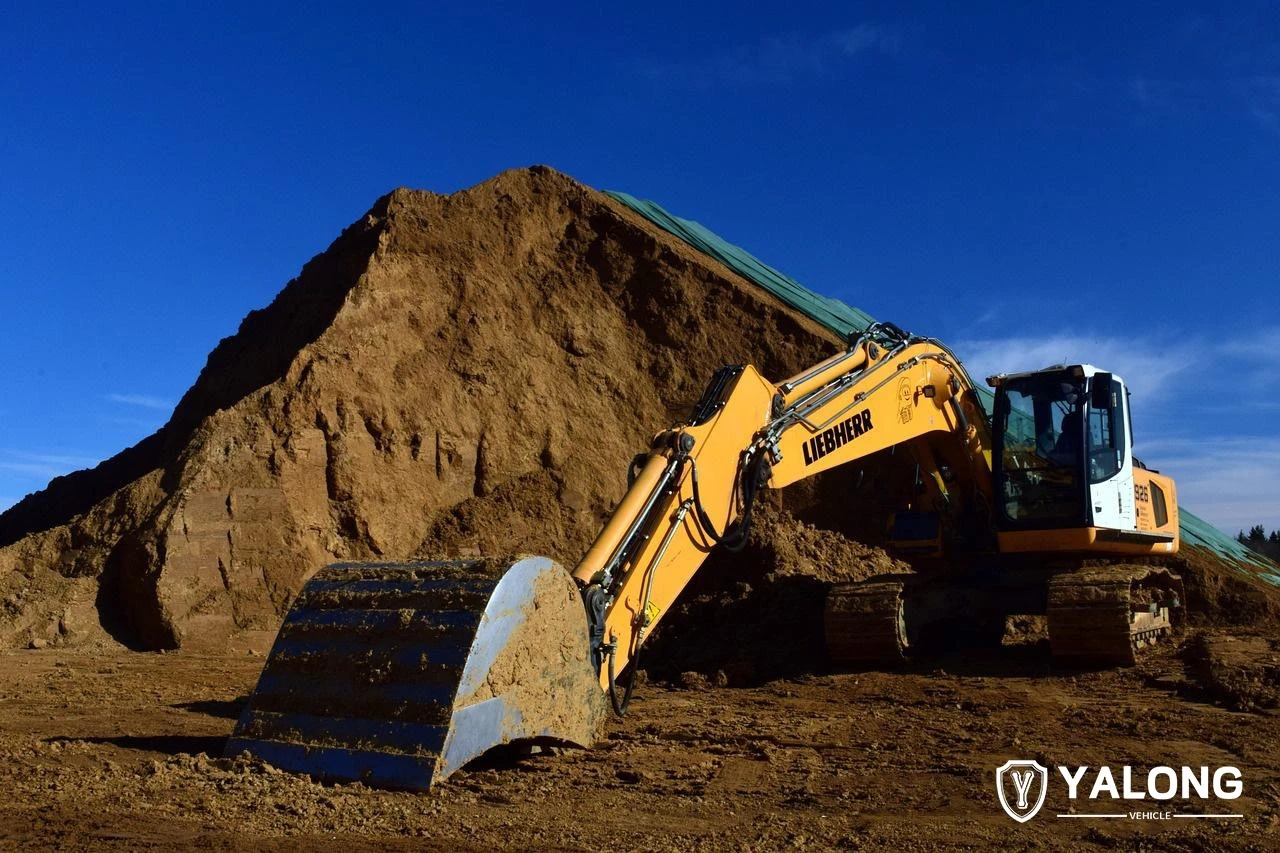
Installing the new bucket: Alignment is key-don't forget to install the anti-loosening components.
请替换当前内容 There are many variations of passages of available but the majority
Aligning the ear plate holes: Here are two tips to save effort. Slowly bring the excavator's dipper arm close to the new bucket's ear plates; align the hole on one side first and insert a temporary metal rod for positioning, then adjust the angle of the dipper arm to align the hole on the other side.
Install the bucket pin and dust cover. Insert the new bucket pin through the "non-threaded end" of the ear plate hole, fit on the dust cover, and screw on the nut at the end.
Tighten bolts and apply grease. Use a box-end wrench to tighten the dust cover bolts in a diagonal pattern; do not tighten them fully in one go-tighten in 2–3 stages to avoid uneven stress. Tighten the bucket pin nut to the torque specified in the excavator manual, and finally, use a grease gun to inject lithium-based grease into the bucket pin's grease fitting until the dust cover bulges slightly.
Replacing the bucket is only a temporary measure; proper daily maintenance of components is the key to minimizing replacement hassles and reducing costs.
Weekly inspections: Focus on these two areas.
Bucket pin clearance: Shake the bucket by hand. If the clearance exceeds 5mm (roughly the width of a finger), it indicates wear on the bucket pin or the ear plate holes; repair it promptly rather than waiting until the wobbling becomes severe.
Lubrication: Don't forget to grease the bucket pin. Apply grease every three days for earthmoving work and daily for rock-breaking operations. Use lithium-based grease; avoid standard grease, as it tends to thin out, resulting in poor lubrication performance.


