Hey there! As a supplier of trailer fenders, I often get asked about the materials these fenders are made of. So, I thought I'd write this blog to share all the details with you.
Steel
Steel is one of the most common materials used for trailer fenders, and for good reasons. First off, it's incredibly strong. Trailers are often used in tough conditions, like hauling heavy loads on rough roads. Steel fenders can withstand the impact of rocks, debris, and even minor collisions without getting damaged easily.
Another great thing about steel is its durability. It can last for a long time, even when exposed to harsh weather conditions. Whether it's scorching heat, freezing cold, or heavy rain, steel fenders hold up well. They're also resistant to corrosion to some extent, especially if they're properly treated or coated.
There are different types of steel used in trailer fenders. Mild steel is a popular choice because it's relatively inexpensive and easy to work with. It can be shaped into various designs to fit different trailer models. High - strength steel is also used in some cases, especially for trailers that need extra protection. These fenders can handle more stress and are ideal for heavy - duty applications.
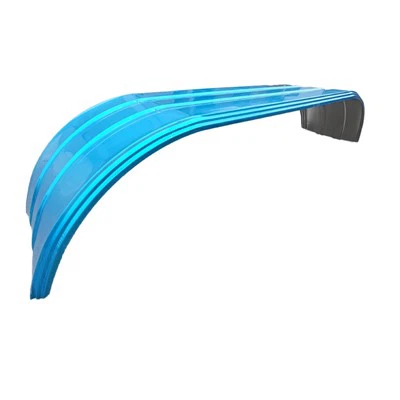
If you're interested in steel trailer fenders, you can check out our Steel Trailer Fender and Steel Trailer Mudguard options. They're made from top - quality steel and designed to meet the highest standards.
Aluminum
Aluminum is another material that's widely used for trailer fenders. One of the biggest advantages of aluminum is its light weight. Compared to steel, aluminum fenders are much lighter, which can help improve the fuel efficiency of the trailer. This is especially important for long - haul trailers, as even a small reduction in weight can lead to significant savings in fuel costs over time.


Aluminum is also highly resistant to corrosion. It forms a natural oxide layer on its surface, which protects it from rust and other forms of corrosion. This means that aluminum fenders can last a long time, even in wet or salty environments. They're a great choice for trailers that are used near the coast or in areas with a lot of road salt during the winter.
In addition to its practical benefits, aluminum has a nice aesthetic appeal. It has a sleek, modern look that can enhance the appearance of the trailer. Aluminum fenders can be polished to a high shine or left with a more matte finish, depending on your preference.
Our Trailer Aluminum Fender is a great option if you're looking for a lightweight and corrosion - resistant fender. It's available in different sizes and styles to fit your trailer perfectly.
Plastic
Plastic trailer fenders are becoming more and more popular these days. One of the main reasons for their popularity is their affordability. Plastic is generally cheaper than steel and aluminum, which makes plastic fenders a cost - effective option for many trailer owners.
Plastic fenders are also very flexible. They can bend and absorb impact without cracking or breaking easily. This is a big advantage, especially if your trailer is going to be used in areas where there's a lot of debris on the road. If a rock hits a plastic fender, it's likely to just bounce off without causing any serious damage.
Another benefit of plastic is its ease of installation. Plastic fenders are usually lighter and easier to handle than steel or aluminum fenders. They can often be installed with basic tools, which means you can save on installation costs.
However, plastic fenders do have some drawbacks. They're not as strong or durable as steel or aluminum fenders. Over time, they can fade, crack, or become brittle, especially if they're exposed to extreme temperatures or UV rays. But if you're on a tight budget and don't need the highest level of durability, plastic fenders can be a good choice.
Fiberglass
Fiberglass is a composite material that's made up of glass fibers embedded in a resin matrix. It's known for its high strength - to - weight ratio. Fiberglass trailer fenders are strong enough to withstand the rigors of the road, but they're also relatively light.
One of the advantages of fiberglass is its ability to be molded into complex shapes. This means that fiberglass fenders can be designed to have a more aerodynamic shape, which can help reduce wind resistance and improve the trailer's fuel efficiency.
Fiberglass is also resistant to corrosion and chemicals. It can withstand exposure to oil, grease, and other substances that are commonly found on the road. This makes it a good choice for trailers that are used in industrial or commercial applications.
However, fiberglass fenders can be more expensive than plastic fenders, and they require more care and maintenance. They can be scratched or damaged if not handled properly, and repairs can be more complicated than with other materials.
Rubber
Rubber trailer fenders are less common but still have their uses. Rubber is a very flexible material, which means it can absorb a lot of impact. Rubber fenders are often used in off - road trailers or trailers that are used in areas with a lot of bumps and rough terrain.
They're also very quiet. When a rock or other debris hits a rubber fender, it doesn't make as much noise as it would if it hit a steel or aluminum fender. This can be a big advantage if you're using the trailer in a residential area or if you just want a quieter ride.
Rubber fenders are also resistant to abrasion. They can withstand being dragged along the ground or rubbed against other objects without getting damaged easily.
But rubber fenders do have some limitations. They're not as rigid as steel or aluminum fenders, so they may not provide as much protection in high - speed collisions. They also tend to degrade over time, especially if they're exposed to sunlight and heat.
So, there you have it! These are the main materials that trailer fenders are made of. Each material has its own pros and cons, and the right choice for you will depend on your specific needs and budget.
If you're in the market for trailer fenders and want to learn more about our products, or if you have any questions about the materials or installation, don't hesitate to reach out. We're here to help you find the perfect fenders for your trailer. Whether you need a durable steel fender, a lightweight aluminum one, or something else, we've got you covered. Let's start a conversation and see how we can work together to meet your trailer fender needs.
References
- "Materials for Trailer Fenders: A Comparative Analysis", Journal of Trailer Accessories, 2022
- "The Impact of Material Choice on Trailer Fender Performance", Automotive Research Quarterly, 2021