Hey there! I'm a supplier of SINOTruck Cargo Trucks, and I'm super excited to share with you how the exhaust gas treatment system of these awesome trucks works.
The Basics of Exhaust Gas in Trucks
First off, let's talk about why exhaust gas treatment is so important. When a truck engine burns fuel, it produces a bunch of harmful gases like nitrogen oxides (NOx), particulate matter (PM), carbon monoxide (CO), and hydrocarbons (HC). These pollutants are not only bad for the environment but also for human health. They can cause smog, acid rain, and respiratory problems. That's where the exhaust gas treatment system comes in.
Components of the Exhaust Gas Treatment System in SINOTruck Cargo Trucks
Diesel Oxidation Catalyst (DOC)
The first stop in the exhaust gas treatment process is the Diesel Oxidation Catalyst. It's like the first line of defense. The DOC is made up of a honeycomb - like structure coated with precious metals such as platinum and palladium. When the hot exhaust gases pass through the DOC, the precious metals act as catalysts. They speed up chemical reactions that convert carbon monoxide (CO) into carbon dioxide (CO₂) and hydrocarbons (HC) into water vapor (H₂O) and carbon dioxide.
This is a crucial step because it reduces the amount of toxic gases in the exhaust. It also helps to oxidize some of the soluble organic fraction of the particulate matter, making it easier to deal with later in the process.
Diesel Particulate Filter (DPF)
Next up is the Diesel Particulate Filter. As the name suggests, its main job is to trap particulate matter. The DPF is a ceramic or metallic filter with a porous structure. When the exhaust gases flow through it, the PM, which includes soot and other solid particles, gets trapped in the filter walls.
Over time, the DPF can get clogged with these particles. To prevent this from affecting the engine's performance, the DPF has a regeneration process. There are two types of regeneration: passive and active.
Passive regeneration happens naturally when the exhaust gases are hot enough. The high - temperature gases burn off the trapped particulate matter. Active regeneration, on the other hand, is initiated by the truck's engine control unit (ECU) when the DPF reaches a certain level of clogging. The ECU adjusts the engine's operation to increase the exhaust gas temperature, which then burns off the soot.
Selective Catalytic Reduction (SCR) System
The Selective Catalytic Reduction system is another key component. It's designed to reduce nitrogen oxides (NOx) emissions. The SCR system works by injecting a urea - based solution, commonly known as Diesel Exhaust Fluid (DEF), into the exhaust stream.
When the DEF is injected, it decomposes into ammonia (NH₃) in the hot exhaust gases. The exhaust gases then pass through a catalytic converter. Inside the converter, the ammonia reacts with the nitrogen oxides in the presence of a catalyst (usually made of titanium, vanadium, or zeolite). This reaction converts the NOx into nitrogen (N₂) and water vapor (H₂O), which are harmless to the environment.
The SCR system is highly effective in reducing NOx emissions, and it has become a standard feature in modern SINOTruck Cargo Trucks to meet strict emission regulations.
How These Components Work Together
The exhaust gas treatment system in SINOTruck Cargo Trucks is a well - coordinated setup. The exhaust gases first enter the DOC, where CO and HC are oxidized. Then, they move on to the DPF, where particulate matter is trapped. After that, the gases go through the SCR system, where NOx is reduced.


This sequential process ensures that the exhaust gases are treated step - by - step, and the pollutants are removed as effectively as possible. The engine control unit continuously monitors the performance of each component and adjusts the system accordingly. For example, it can control the injection of DEF in the SCR system based on the NOx levels in the exhaust.
Benefits of the Exhaust Gas Treatment System
The exhaust gas treatment system in SINOTruck Cargo Trucks offers several benefits. Firstly, it helps the trucks meet strict emission standards around the world. This means that these trucks can be used in areas with tough environmental regulations without any issues.
Secondly, it improves the air quality. By reducing the amount of harmful pollutants in the exhaust, the trucks contribute less to air pollution. This is especially important in urban areas where there is a high concentration of vehicles.
Finally, it can also enhance the engine's performance. A well - functioning exhaust gas treatment system ensures that the engine runs smoothly and efficiently. It reduces back - pressure in the exhaust system, which can improve fuel economy and reduce wear and tear on the engine.
Different Models and Their Exhaust Gas Treatment Systems
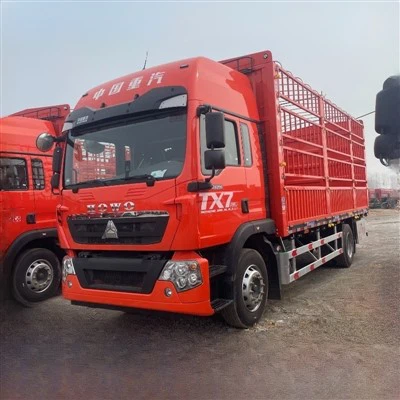
SINOTruck offers a wide range of cargo trucks, each with its own specific exhaust gas treatment system tailored to its engine and application. For example, the 4x2 Cargo Truck is a popular model. It has a compact and efficient exhaust gas treatment system that is designed to handle the relatively lower power output of its engine.
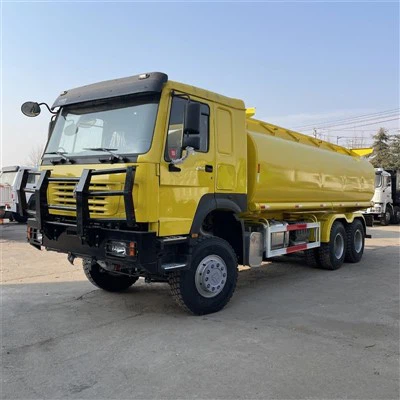
The 6X4 Howo Tractor Chassis, on the other hand, is a heavy - duty model. It has a more robust exhaust gas treatment system to deal with the higher volume of exhaust gases produced by its powerful engine.
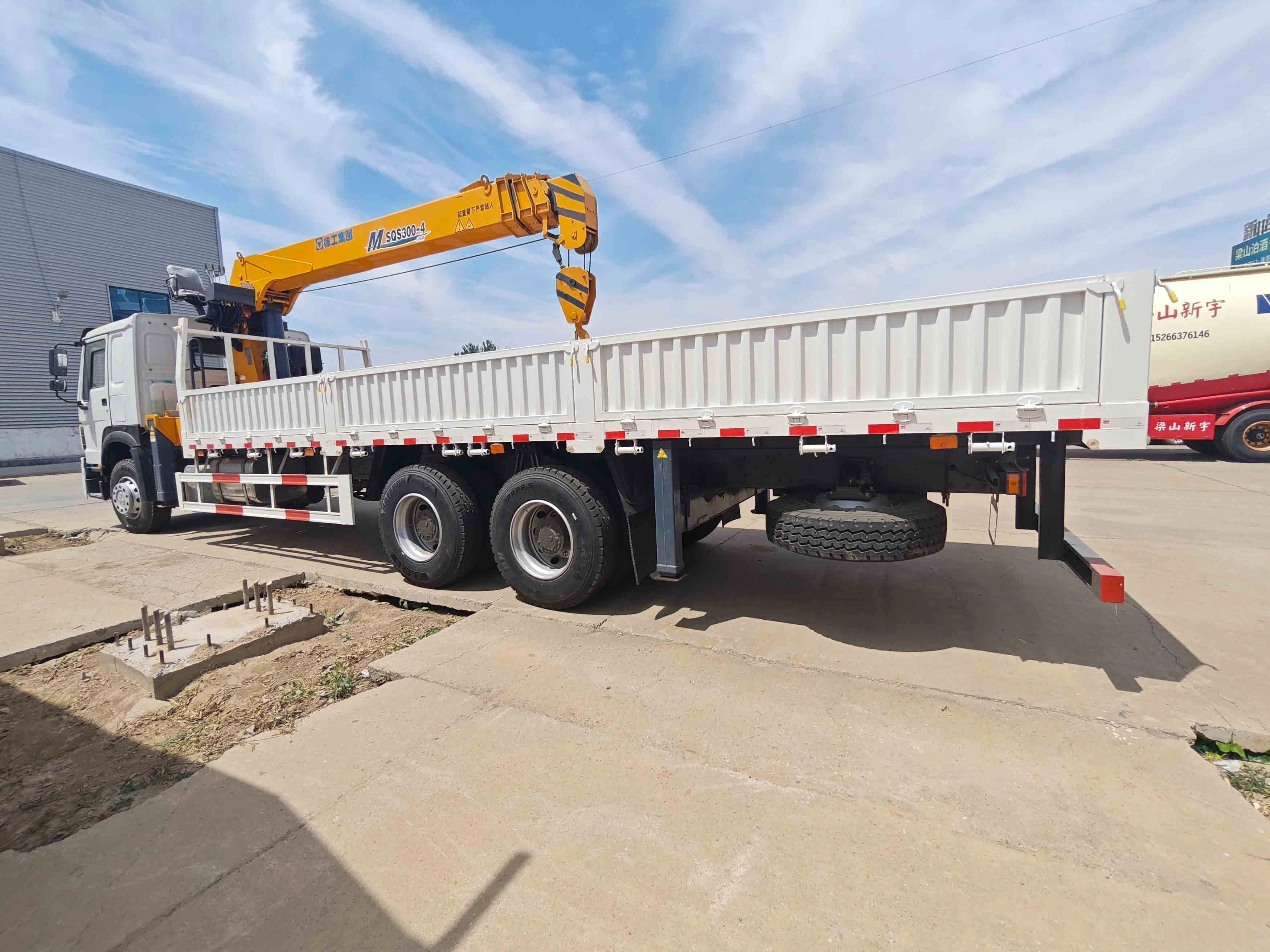
Even the Used Howo Cargo Truck comes with a reliable exhaust gas treatment system. Although it may have some wear and tear, the system can usually be maintained and repaired to ensure that it continues to function effectively.
Maintenance of the Exhaust Gas Treatment System
To keep the exhaust gas treatment system in top shape, regular maintenance is essential. This includes checking the DOC for any signs of damage or poisoning. Poisoning can occur when contaminants in the fuel or oil reach the DOC and reduce its catalytic activity.
The DPF needs to be inspected regularly for clogging. If it's clogged, the regeneration process should be carried out as soon as possible. The SCR system requires the proper level of DEF to be maintained. Low DEF levels can lead to reduced NOx reduction and may even trigger a warning light on the dashboard.
Conclusion
The exhaust gas treatment system in SINOTruck Cargo Trucks is a remarkable piece of technology. It's designed to reduce harmful emissions, improve air quality, and enhance engine performance. Whether you're looking for a new or used truck, the exhaust gas treatment system is something you can rely on.
If you're interested in purchasing a SINOTruck Cargo Truck or have any questions about the exhaust gas treatment system, I'd love to have a chat with you. Just reach out, and we can start a discussion about your specific needs.
References
- "Diesel Engine Emission Control: A Review" by X. Wang, et al.
- "Exhaust Aftertreatment Systems for Diesel Engines" published by SAE International.