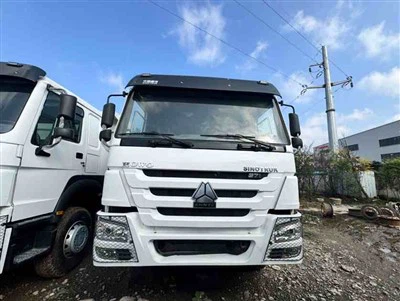
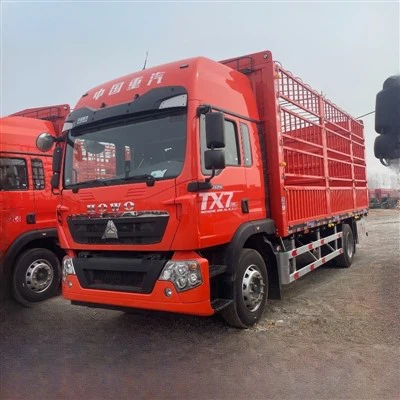
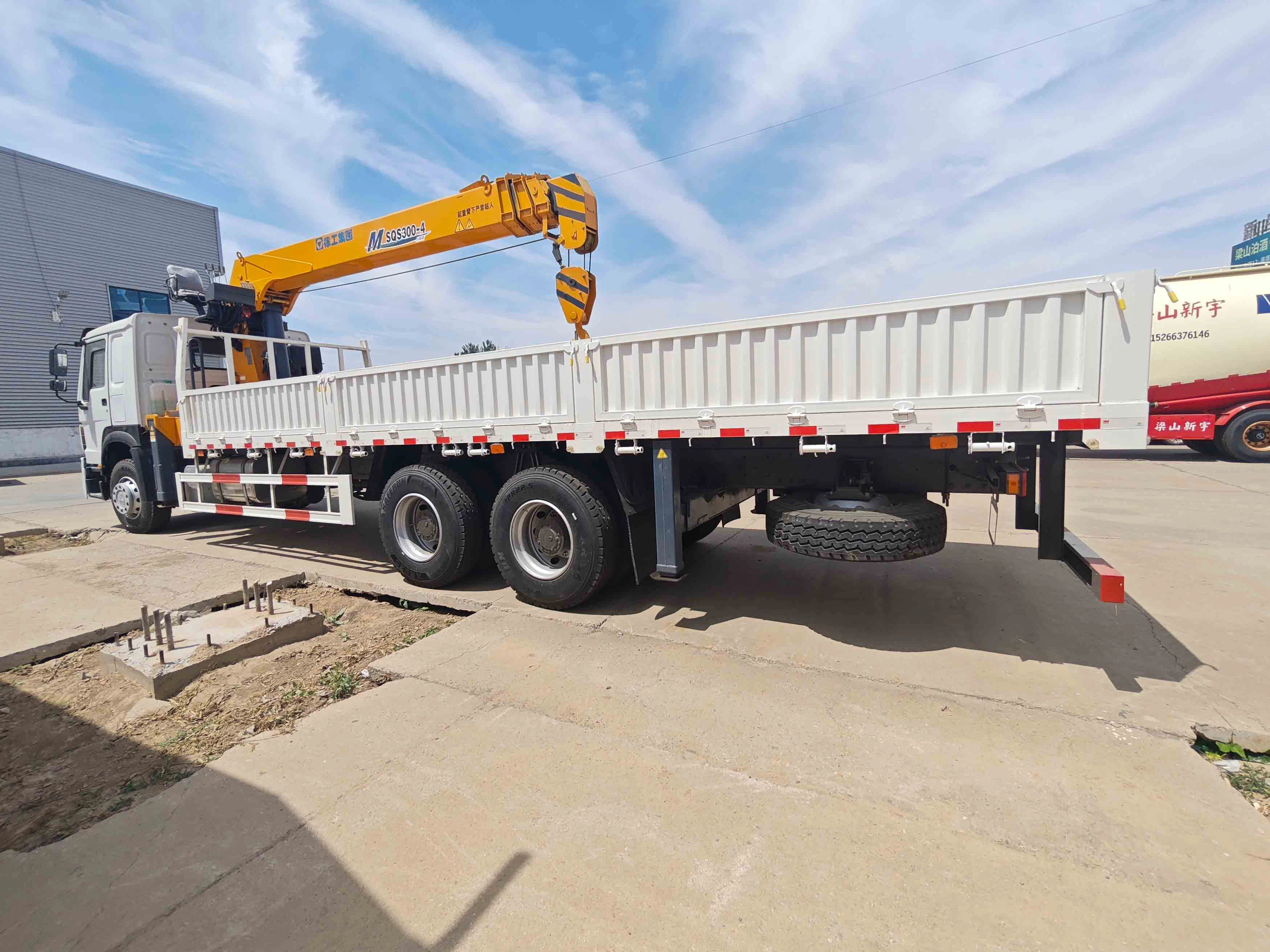
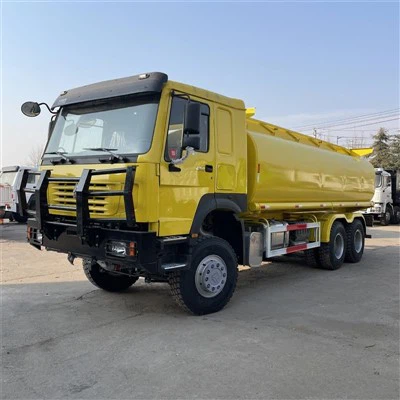
A pneumatic trailer, also known as a pneumatic tanker trailer, is a specialized type of vehicle used for transporting dry bulk materials such as cement, flour, and other powdered substances. These trailers are designed to use compressed air to unload their cargo, making them highly efficient for bulk material transportation. As a pneumatic trailer supplier, I've received numerous inquiries regarding the impact of a pneumatic trailer on the towing vehicle's suspension. In this blog post, I will delve into this topic and provide a comprehensive analysis of the effects of pneumatic trailers on towing vehicle suspensions.
Understanding the Basics of Towing Vehicle Suspensions
Before discussing the impact of a pneumatic trailer on a towing vehicle's suspension, it's essential to understand the basic functions and components of a towing vehicle's suspension system. The suspension system of a towing vehicle serves several crucial purposes. Firstly, it supports the weight of the vehicle and its load, ensuring a stable and balanced ride. Secondly, it absorbs shocks and vibrations from the road surface, providing a comfortable driving experience for the driver and passengers. Finally, it helps maintain proper tire contact with the road, enhancing vehicle handling and safety.
The main components of a typical towing vehicle suspension system include springs, shock absorbers, control arms, and sway bars. Springs are responsible for supporting the vehicle's weight and providing a cushioning effect. Shock absorbers, also known as dampers, control the movement of the springs and reduce the impact of road shocks. Control arms connect the wheels to the vehicle's frame and allow for vertical movement, while sway bars help reduce body roll during cornering.
Impact of Pneumatic Trailers on Towing Vehicle Suspensions
Increased Load
One of the most significant impacts of a pneumatic trailer on a towing vehicle's suspension is the increased load. Pneumatic trailers can carry substantial amounts of dry bulk materials, which adds significant weight to the towing vehicle. For example, a Tanker Trailer can carry up to 60 tons of cement, while a 40 Ton Cement Semi Trailer and a 50 Ton Cement Trailer can carry 40 and 50 tons respectively. This additional weight places extra stress on the towing vehicle's suspension components, including the springs, shock absorbers, and control arms.
Over time, the increased load can cause the springs to sag, reducing their ability to support the vehicle's weight effectively. This can lead to a lower ride height, which may affect the vehicle's handling and ground clearance. Additionally, the shock absorbers may become overworked, resulting in reduced damping performance and a rougher ride. The control arms and other suspension components may also experience increased wear and tear, leading to premature failure.
Uneven Weight Distribution
Another factor that can affect the towing vehicle's suspension is uneven weight distribution within the pneumatic trailer. If the cargo is not loaded evenly, it can create an imbalance that places more stress on one side of the towing vehicle's suspension than the other. This can cause uneven tire wear, poor handling, and increased stress on the suspension components.
For example, if a large portion of the cargo is concentrated towards the rear of the pneumatic trailer, it can cause the towing vehicle's rear suspension to compress more than the front suspension. This can lead to a nose-up attitude, which affects the vehicle's aerodynamics and handling. On the other hand, if the cargo is concentrated towards the front of the trailer, it can cause the front suspension to bear more weight, potentially leading to steering problems and increased tire wear on the front wheels.


Dynamic Forces
In addition to the static load, pneumatic trailers also generate dynamic forces that can impact the towing vehicle's suspension. When the trailer is in motion, the cargo inside the trailer can shift due to acceleration, deceleration, and cornering. This shifting of the cargo creates additional forces that are transmitted to the towing vehicle's suspension.
For instance, during sudden braking, the cargo in the pneumatic trailer may shift forward, causing a forward weight transfer. This can increase the load on the front suspension of the towing vehicle and put additional stress on the front shock absorbers and springs. Similarly, during cornering, the centrifugal force can cause the cargo to shift towards the outside of the turn, placing more stress on the outer suspension components of the towing vehicle.
Mitigating the Impact on Towing Vehicle Suspensions
Proper Suspension Upgrades
To mitigate the impact of a pneumatic trailer on a towing vehicle's suspension, it's essential to ensure that the towing vehicle's suspension is properly upgraded to handle the additional load. This may involve installing heavier-duty springs, shock absorbers, and other suspension components. Heavier-duty springs can provide better support for the increased weight, while upgraded shock absorbers can improve damping performance and reduce the impact of road shocks.
Some towing vehicle manufacturers offer suspension upgrade packages specifically designed for towing heavy loads. These packages typically include upgraded springs, shock absorbers, and other components that are engineered to handle the increased stress and provide a more stable and comfortable ride.
Correct Loading Procedures
Proper loading procedures are crucial for minimizing the impact of a pneumatic trailer on the towing vehicle's suspension. It's important to distribute the cargo evenly within the trailer to ensure a balanced load. This can be achieved by following the manufacturer's loading guidelines and using load distribution devices if necessary.
Before loading the trailer, it's also important to check the weight capacity of the towing vehicle and the trailer. Overloading the vehicle can cause excessive stress on the suspension and other components, leading to premature failure and safety hazards.
Regular Maintenance
Regular maintenance of the towing vehicle's suspension is essential for ensuring its longevity and performance. This includes checking the suspension components for wear and tear, lubricating the moving parts, and replacing any worn-out components as needed.
It's also important to have the suspension system aligned regularly to ensure proper tire contact with the road and to prevent uneven tire wear. A misaligned suspension can cause the tires to wear unevenly, reducing their lifespan and affecting the vehicle's handling and safety.
Conclusion
In conclusion, a pneumatic trailer can have a significant impact on a towing vehicle's suspension. The increased load, uneven weight distribution, and dynamic forces generated by the trailer can place extra stress on the suspension components, leading to premature wear and tear and potentially affecting the vehicle's handling and safety.
As a pneumatic trailer supplier, I understand the importance of ensuring that our customers' towing vehicles are properly equipped to handle the additional load. By following the tips outlined in this blog post, including proper suspension upgrades, correct loading procedures, and regular maintenance, you can minimize the impact of a pneumatic trailer on your towing vehicle's suspension and ensure a safe and comfortable towing experience.
If you're interested in purchasing a pneumatic trailer or have any questions about the impact of pneumatic trailers on towing vehicle suspensions, please feel free to contact us for more information. We're here to help you make the right choice for your transportation needs.
References
- SAE International. (20XX). "Towing Vehicle Suspension Design and Analysis."
- Society of Automotive Engineers. (20XX). "Guidelines for Towing Heavy Loads."
- Trailer Manufacturers Association. (20XX). "Best Practices for Loading and Towing Trailers."