What are the ventilation requirements for tank trucks carrying volatile liquids?
As a tank truck supplier, I understand the critical importance of ventilation in tank trucks designed to carry volatile liquids. Volatile liquids, such as gasoline, diesel, and various chemicals, have a high vapor pressure, which means they can easily evaporate into the surrounding air. Proper ventilation is essential for ensuring the safety of the vehicle, its operators, and the environment. In this blog post, I will delve into the ventilation requirements for tank trucks carrying volatile liquids, exploring the reasons behind these requirements and the standards that govern them.
Why Ventilation is Necessary
The primary reason for ventilation in tank trucks carrying volatile liquids is to prevent the accumulation of flammable vapors. When volatile liquids evaporate, they form a vapor-air mixture that can be explosive if the concentration of the vapor reaches a certain level, known as the lower explosive limit (LEL). By providing adequate ventilation, we can dilute the vapor concentration to a level below the LEL, reducing the risk of explosion.


In addition to explosion prevention, ventilation also helps to control the pressure inside the tank. As the temperature of the volatile liquid changes, it can expand or contract, causing the pressure inside the tank to fluctuate. Without proper ventilation, these pressure changes can lead to structural damage to the tank or even cause it to rupture. Ventilation systems allow the excess pressure to escape, maintaining a safe and stable pressure inside the tank.
Another important function of ventilation is to remove any toxic or harmful vapors that may be present. Many volatile liquids, such as certain chemicals and fuels, can release toxic fumes when they evaporate. These fumes can be harmful to the health of the vehicle operators and can also pose a risk to the environment. By ventilating the tank, we can ensure that these vapors are safely removed from the vehicle.
Ventilation Requirements and Standards
The ventilation requirements for tank trucks carrying volatile liquids are regulated by various national and international standards. These standards specify the minimum ventilation rates, the type of ventilation systems that can be used, and the safety features that must be included.
One of the most widely recognized standards for tank truck ventilation is the American Society of Mechanical Engineers (ASME) code. The ASME code provides guidelines for the design, construction, and operation of pressure vessels, including tank trucks. According to the ASME code, tank trucks carrying volatile liquids must be equipped with a ventilation system that can provide a minimum ventilation rate of 0.1 cubic feet per minute (CFM) per square foot of tank surface area. This ventilation rate ensures that the vapor concentration inside the tank remains below the LEL.
In addition to the ASME code, there are also specific regulations for tank trucks carrying hazardous materials. The Department of Transportation (DOT) in the United States has established regulations under the Hazardous Materials Regulations (HMR) that govern the transportation of hazardous materials, including volatile liquids. These regulations require tank trucks to be equipped with a ventilation system that meets certain safety standards, such as the use of flame arrestors to prevent the ignition of flammable vapors.
Internationally, the United Nations Economic Commission for Europe (UNECE) has developed regulations for the transport of dangerous goods, including tank trucks. These regulations, known as the ADR (Accord européen relatif au transport international des marchandises dangereuses par route), specify the ventilation requirements for tank trucks carrying volatile liquids. The ADR regulations are similar to the ASME code and the DOT regulations, but they also take into account the specific requirements for international transportation.
Types of Ventilation Systems
There are several types of ventilation systems that can be used in tank trucks carrying volatile liquids. The most common types include passive ventilation systems, active ventilation systems, and combination ventilation systems.
Passive ventilation systems rely on natural convection to remove the vapors from the tank. These systems typically consist of vents or openings in the tank that allow the vapors to escape. Passive ventilation systems are simple and cost-effective, but they may not provide sufficient ventilation in all situations. For example, in hot weather or when the tank is being filled or emptied, the vapor concentration inside the tank may increase rapidly, and a passive ventilation system may not be able to remove the vapors quickly enough.
Active ventilation systems, on the other hand, use a fan or blower to force the vapors out of the tank. These systems can provide a higher ventilation rate than passive ventilation systems and are more effective in maintaining a safe vapor concentration inside the tank. Active ventilation systems are often used in tank trucks carrying highly volatile liquids or in situations where the tank is subject to rapid changes in temperature or pressure.
Combination ventilation systems combine the features of passive and active ventilation systems. These systems typically use a passive ventilation system as the primary means of ventilation, but they also include an active ventilation system that can be activated when the vapor concentration inside the tank exceeds a certain level. Combination ventilation systems provide a high level of safety and flexibility, but they are also more complex and expensive than passive or active ventilation systems.
Our Tank Trucks and Ventilation
At our company, we take the ventilation requirements for tank trucks carrying volatile liquids very seriously. All of our tank trucks are designed and built to meet or exceed the relevant national and international standards. We use high-quality materials and advanced manufacturing techniques to ensure that our tank trucks are safe, reliable, and efficient.
Our tank trucks are equipped with state-of-the-art ventilation systems that are designed to provide optimal ventilation under all operating conditions. We offer a range of ventilation systems, including passive, active, and combination ventilation systems, to meet the specific needs of our customers. Our ventilation systems are also equipped with safety features such as flame arrestors and pressure relief valves to prevent the ignition of flammable vapors and to protect the tank from overpressure.
In addition to our standard tank trucks, we also offer customized solutions for customers with special requirements. Our team of engineers and designers can work with you to develop a tank truck that meets your specific needs and requirements. Whether you need a tank truck with a higher ventilation rate, a specific type of ventilation system, or other custom features, we can help.
Conclusion
Ventilation is a critical aspect of the design and operation of tank trucks carrying volatile liquids. Proper ventilation is essential for preventing the accumulation of flammable vapors, controlling the pressure inside the tank, and removing toxic or harmful vapors. By understanding the ventilation requirements and standards, and by using the appropriate ventilation systems, we can ensure the safety of the vehicle, its operators, and the environment.
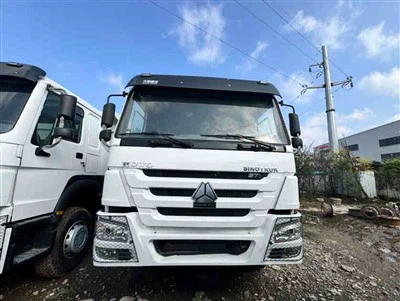
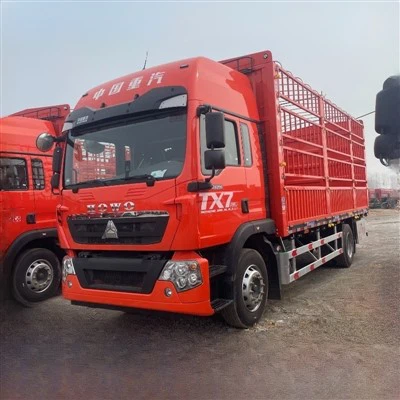
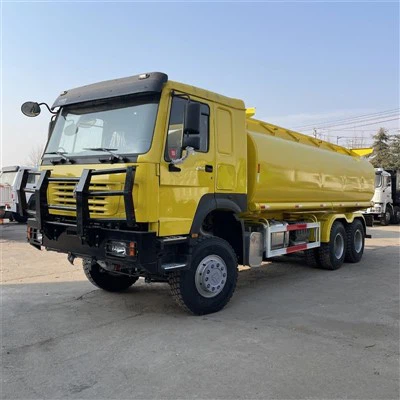
If you are in the market for a tank truck to carry volatile liquids, we invite you to explore our range of products. We offer a variety of tank trucks, including the Howo Fuel Tanker Truck, Sinotruk 6x4 Fuel Truck, and 6x4 Fuel Delivery Truck, all of which are designed to meet the highest standards of safety and performance. Our team of experts is ready to assist you in selecting the right tank truck for your needs and to provide you with the support and service you deserve. Contact us today to start the procurement process and let us help you find the perfect tank truck for your business.
References
- American Society of Mechanical Engineers (ASME) Boiler and Pressure Vessel Code
- Department of Transportation (DOT) Hazardous Materials Regulations (HMR)
- United Nations Economic Commission for Europe (UNECE) ADR Regulations