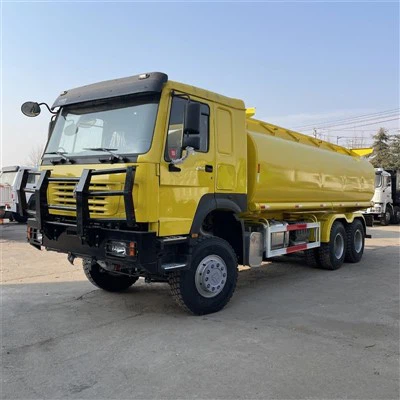
When it comes to end dump trailers, one of the most frequently asked questions is about their capacity. As a supplier of end dump trailers, I've had numerous conversations with customers trying to understand what an average end dump trailer can carry. In this blog, I'll delve into the factors that determine the capacity of an average end dump trailer, explore different types of end dump trailers and their typical capacities, and provide some insights to help you make an informed decision when considering a purchase.
Understanding the Basics of End Dump Trailer Capacity
The capacity of an end dump trailer is primarily measured in terms of volume (cubic yards) and weight (tons). Volume capacity refers to the amount of material the trailer can hold, while weight capacity indicates the maximum load the trailer can safely carry. These two factors are closely related, as the weight of the material being transported will depend on its density. For example, a cubic yard of gravel will weigh more than a cubic yard of sand.
Several factors influence the capacity of an end dump trailer:
- Trailer Design: The size and shape of the trailer body play a significant role in determining its volume capacity. Longer, wider, and taller trailers generally have a larger capacity. Additionally, the design of the trailer's hoist system can affect its ability to handle heavy loads.
- Axle Configuration: The number and arrangement of axles on the trailer impact its weight capacity. Trailers with more axles can typically carry heavier loads because the weight is distributed more evenly. Common axle configurations for end dump trailers include three-axle, four-axle, and five-axle setups.
- Material and Construction: The type of material used to construct the trailer body and frame also affects its capacity. Trailers made from high-strength steel or aluminum are often lighter and more durable, allowing them to carry heavier loads without sacrificing structural integrity.
Typical Capacities of Different End Dump Trailers
Let's take a closer look at the capacities of some common types of end dump trailers:
Three-Axle End Dump Trailers
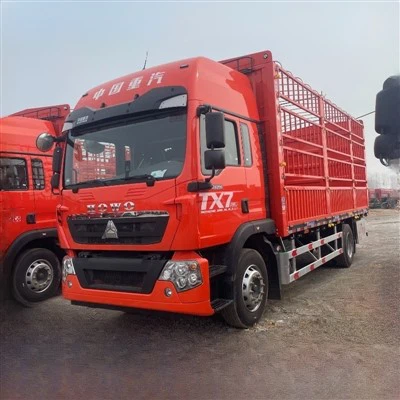
Three-axle end dump trailers are a popular choice for many applications due to their versatility and relatively lower cost. These trailers typically have a volume capacity ranging from 12 to 20 cubic yards and a weight capacity of around 20 to 25 tons. They are suitable for transporting a variety of materials, including gravel, sand, dirt, and asphalt. If you're interested in a 3 Axle Tipper Trailer, you can find more information by following the link.
Four-Axle End Dump Trailers
Four-axle end dump trailers offer increased capacity compared to three-axle trailers. They usually have a volume capacity of 20 to 30 cubic yards and a weight capacity of 25 to 35 tons. These trailers are often used for larger construction projects and can handle heavier loads of materials such as crushed stone and recycled concrete. Check out our Four-axle Dump Semi-trailer for more details.
Five-Axle and Higher-End Dump Trailers
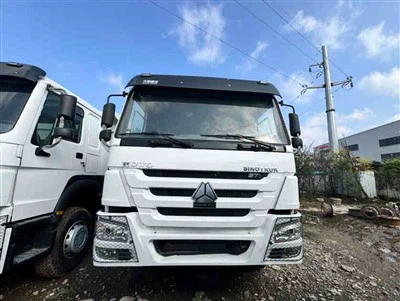
For the most demanding applications, five-axle and higher end dump trailers are available. These trailers can have a volume capacity of up to 40 cubic yards or more and a weight capacity of 35 to 80 tons or even higher. They are commonly used in large-scale mining operations, major construction projects, and long-haul transportation of heavy materials. If you're in the market for a high-capacity trailer, our 80 Ton Dump truck for sale might be the right choice for you.


Choosing the Right Capacity for Your Needs
Selecting the appropriate capacity for your end dump trailer depends on several factors, including the type of material you'll be transporting, the frequency of use, and the specific requirements of your projects. Here are some tips to help you make the right decision:
- Consider the Material Density: As mentioned earlier, the density of the material you'll be hauling will determine how much weight can be loaded into a given volume. If you're transporting heavy materials like gravel or rock, you'll need a trailer with a higher weight capacity. For lighter materials such as mulch or wood chips, a lower-capacity trailer may suffice.
- Evaluate Your Project Requirements: Think about the size and scope of your projects. If you're working on small to medium-sized construction jobs, a three-axle or four-axle trailer may be sufficient. However, for large-scale projects or long-haul transportation, you may need a higher-capacity trailer.
- Factor in Future Growth: Consider your business's growth potential when choosing a trailer capacity. If you expect to take on larger projects or increase your hauling volume in the future, it may be wise to invest in a trailer with a higher capacity upfront.
Conclusion
The capacity of an average end dump trailer can vary widely depending on its design, axle configuration, and construction. By understanding the factors that influence capacity and considering your specific needs, you can choose the right trailer for your business. Whether you're in the market for a 3-axle, 4-axle, or high-capacity 80-ton dump truck, we have a range of options to meet your requirements.
If you're interested in learning more about our end dump trailers or have any questions about capacity, feel free to reach out to us. Our team of experts is here to help you make an informed decision and find the perfect trailer for your needs. Contact us today to start the conversation and explore the possibilities for your business.
References
- "Trailer Handbook" - A comprehensive guide to trailer design, construction, and operation.
- Industry publications and trade shows related to the transportation and construction industries.