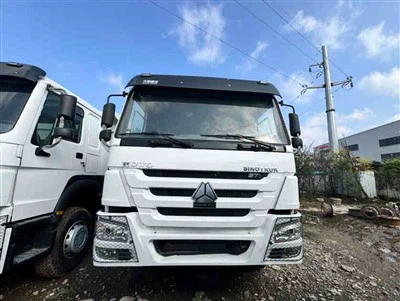
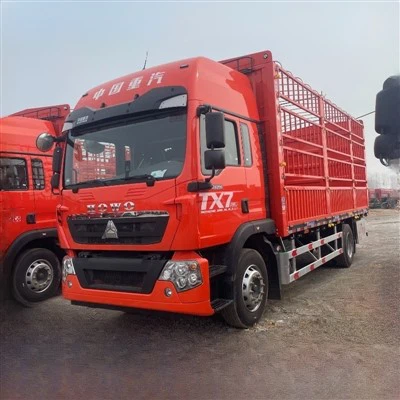
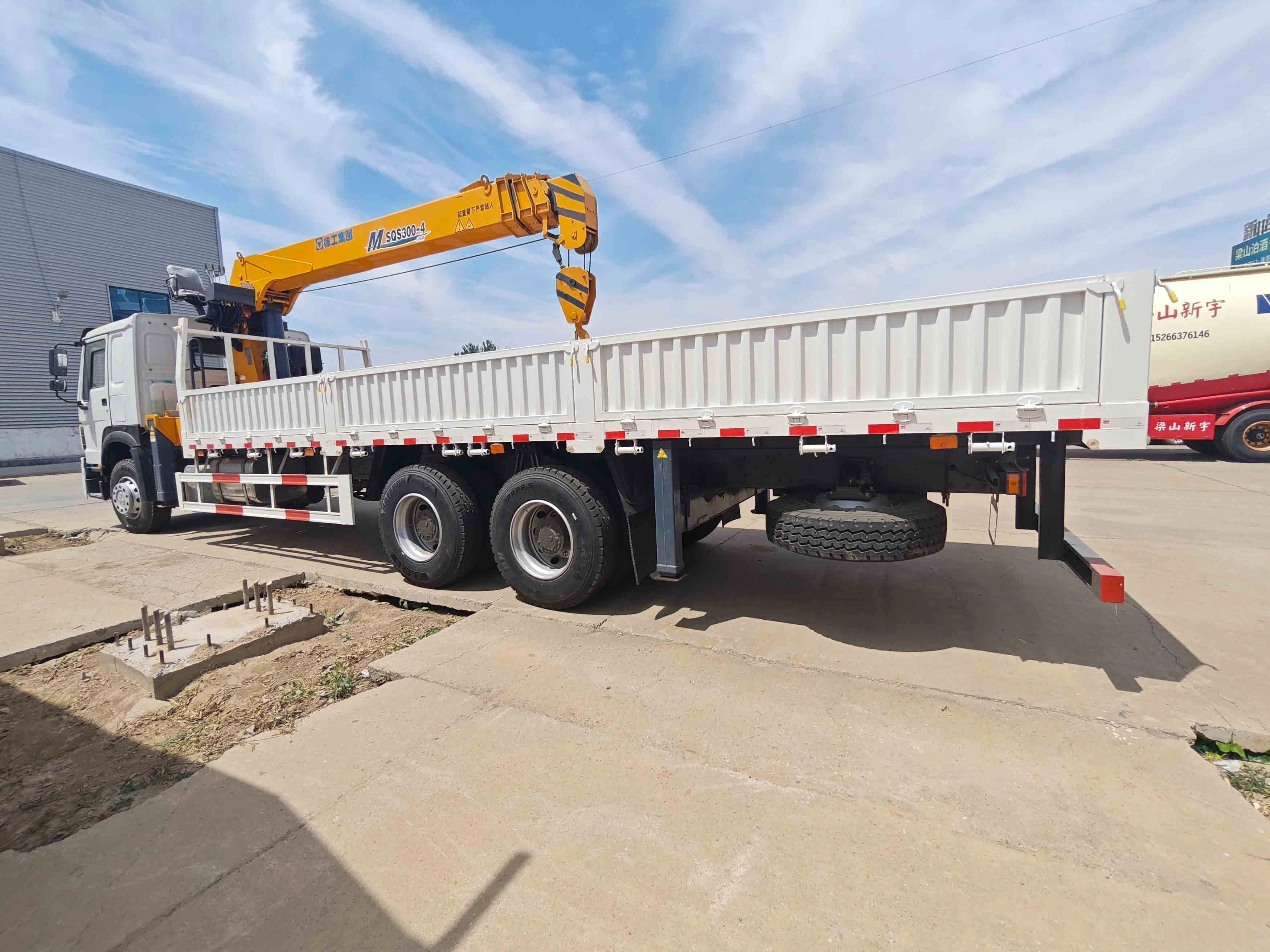
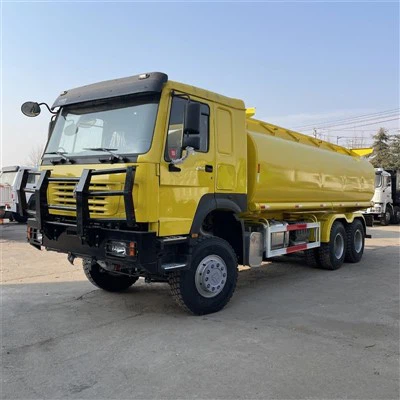
Hey there! As a supplier of pneumatic trailers, I've seen it all when it comes to storing these bad boys. Pneumatic trailers are super useful for transporting all sorts of dry bulk materials like cement, flour, and sand. But if you don't store them right, you can run into a whole bunch of problems. So, let's dive into what I think is the best way to store a pneumatic trailer.
Why Proper Storage Matters
First off, why should you even care about storing your pneumatic trailer correctly? Well, these trailers are a significant investment. If you don't take good care of them, you could end up with rust, corrosion, and mechanical issues. That means more money spent on repairs and less time on the road making money. Plus, proper storage ensures that your trailer is always in top-notch condition when you need to use it.
Indoor Storage: The Gold Standard
In my opinion, indoor storage is the best way to go. When you store your pneumatic trailer indoors, you're protecting it from the elements. Rain, snow, and sunlight can all cause damage over time. Rain can lead to rust, especially if there are any scratches or chips in the paint. Snow can weigh down the trailer and cause structural damage. And sunlight can fade the paint and weaken the rubber components.
An indoor storage facility also offers protection from theft and vandalism. You can lock up the facility and keep an eye on who comes and goes. This gives you peace of mind knowing that your trailer is safe and secure.
If you're looking for a high-quality pneumatic trailer, check out our 50 Ton Cement Trailer. It's built to last and is perfect for heavy-duty jobs.
Preparing the Trailer for Storage
Before you store your pneumatic trailer, you need to give it a good cleaning. Remove any leftover materials from the tank. This is important because leftover materials can cause corrosion and damage to the tank. Use a high-pressure washer to clean the outside of the trailer, paying special attention to the undercarriage. This will remove any dirt, grime, and road salt that could cause rust.
Next, check the tires. Make sure they're properly inflated. Underinflated tires can develop flat spots over time, which can lead to uneven wear and tear. You may also want to consider using tire covers to protect the tires from the sun and other elements.
Inspect the trailer for any signs of damage. Look for cracks, dents, or leaks. If you find any issues, it's best to get them fixed before you store the trailer. This will prevent the problems from getting worse while the trailer is in storage.
Maintenance During Storage
Even if your trailer is in storage, it still needs some maintenance. You should check on it regularly, at least once a month. Look for any signs of damage or wear and tear. Check the fluid levels, including the brake fluid, coolant, and oil. If any of the fluid levels are low, top them off.
You may also want to start the engine and let it run for a few minutes every few weeks. This will help keep the engine in good condition. Just make sure you do this in a well-ventilated area to avoid carbon monoxide poisoning.
Outdoor Storage: A Viable Option
I know that indoor storage isn't always an option for everyone. Maybe you don't have access to an indoor storage facility, or maybe it's too expensive. In that case, outdoor storage can still work, but you need to take some extra precautions.
If you're storing your pneumatic trailer outdoors, find a flat, dry area. Avoid areas that are prone to flooding or standing water. You can also use a trailer cover to protect the trailer from the elements. A good quality trailer cover will block out the sun, rain, and snow.
However, keep in mind that a trailer cover isn't a substitute for proper maintenance. You still need to clean the trailer before storing it and check on it regularly.
For a more heavy-duty option, take a look at our 4 Axle Cement Trailer. It's designed to handle large loads and is built to last.
Securing the Trailer
Whether you're storing your trailer indoors or outdoors, you need to make sure it's secure. Use wheel chocks to prevent the trailer from rolling. You can also use a hitch lock to prevent someone from hooking up the trailer and driving away with it.
If you're storing the trailer outdoors, consider using a security system. This could include a motion sensor alarm or a surveillance camera. This will deter thieves and give you an extra layer of protection.
Long-Term Storage
If you're planning to store your pneumatic trailer for an extended period of time, there are a few additional steps you can take. You may want to drain the fuel tank to prevent the fuel from going bad. You can also add a fuel stabilizer to the remaining fuel to help keep it fresh.
Disconnect the battery to prevent it from draining. You can store the battery in a cool, dry place and recharge it periodically.
Our 25 Ton Pto Cement Tanker is a great option for those who need a smaller, more versatile pneumatic trailer. It's perfect for smaller jobs and is easy to maneuver.


Conclusion
Storing a pneumatic trailer properly is essential for keeping it in good condition and extending its lifespan. Whether you choose indoor or outdoor storage, make sure you take the necessary steps to protect the trailer from the elements, theft, and damage. By following these tips, you can ensure that your trailer is always ready to hit the road when you need it.
If you're in the market for a new pneumatic trailer or have any questions about storage or maintenance, don't hesitate to reach out. We're here to help you find the perfect trailer for your needs and ensure that you get the most out of your investment.
References
- "Trailer Maintenance and Storage Guide" - Industry Handbook
- "Best Practices for Pneumatic Trailer Care" - Professional Journal