As a seasoned supplier of tank trucks, I've had the privilege of witnessing the diverse needs of industries that rely on these specialized vehicles. Tank trucks come in a wide range of sizes, each designed to meet specific requirements, whether it's transporting fuel, water, chemicals, or other liquids. In this blog post, I'll explore the common sizes of tank trucks and how they serve different applications.
Small Tank Trucks (Up to 5,000 Liters)
Small tank trucks are often used for local deliveries, such as fueling small generators, lawn mowers, or for small-scale water transportation in construction sites or rural areas. These trucks are typically mounted on light-duty chassis, making them more maneuverable and easier to operate in tight spaces.
One of the advantages of small tank trucks is their versatility. They can be used for a variety of purposes, from delivering gasoline to remote gas stations to supplying water for irrigation in small farms. Their compact size also means they require less maintenance and are more fuel-efficient compared to larger tank trucks.
For example, our HOWO 6x4 Water Bowser Truck Diesel Engine For Irrigation is a popular choice for small-scale irrigation projects. With a capacity of up to 5,000 liters, it can easily transport water to fields and gardens, providing a reliable solution for farmers and landscapers.
Medium Tank Trucks (5,000 - 15,000 Liters)
Medium-sized tank trucks are commonly used for regional deliveries of fuel, water, and other liquids. They are typically mounted on medium-duty chassis, which offer a good balance between payload capacity and maneuverability.
These trucks are suitable for a wide range of applications, including fueling gas stations, transporting water for municipal use, and delivering chemicals to industrial sites. Their larger capacity allows for more efficient deliveries, reducing the number of trips required and saving time and money.
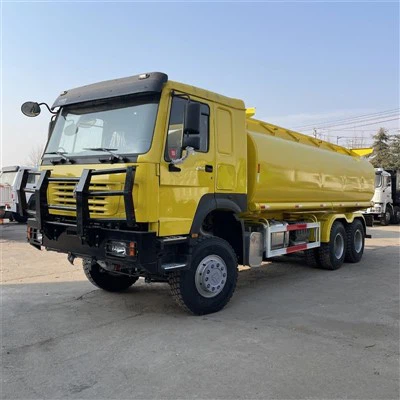
Our Howo Fuel Tanker Truck is a prime example of a medium-sized tank truck. With a capacity ranging from 5,000 to 15,000 liters, it is designed to meet the needs of fuel distributors and gas station operators. The truck is equipped with advanced safety features and a reliable engine, ensuring a smooth and efficient delivery process.
Large Tank Trucks (15,000 - 30,000 Liters)
Large tank trucks are mainly used for long-haul transportation of liquids, such as crude oil, refined petroleum products, and large volumes of water. They are typically mounted on heavy-duty chassis, which can handle the increased weight and stress of carrying large payloads.


These trucks are essential for the oil and gas industry, as they are used to transport crude oil from oil fields to refineries and to distribute refined products to gas stations and other end-users. They are also used for large-scale water transportation, such as supplying water to construction sites or for emergency relief efforts.
Our Sinotruk 6x4 Fuel Truck is a large tank truck with a capacity of up to 30,000 liters. It is designed for long-haul transportation of fuel, with features such as a high-capacity fuel tank, a powerful engine, and advanced safety systems. The truck is built to withstand the rigors of long-distance travel, ensuring reliable and efficient delivery of fuel.
Extra-Large Tank Trucks (Over 30,000 Liters)
Extra-large tank trucks are used for specialized applications that require the transportation of extremely large volumes of liquids. These trucks are typically custom-built to meet the specific requirements of the customer and are often used in the mining, chemical, and oil and gas industries.
Due to their large size and weight, extra-large tank trucks require specialized handling and transportation. They are usually transported on low-bed trailers or by rail, and they require special permits and approvals to operate on public roads.
While we do not currently offer extra-large tank trucks, we can work with our customers to source and customize these vehicles to meet their specific needs. Our team of experts has extensive experience in the tank truck industry and can provide guidance and support throughout the entire process.
Factors Affecting Tank Truck Sizes
The size of a tank truck is determined by several factors, including the type of liquid being transported, the distance of the delivery, the terrain, and the regulations in the area. For example, transporting hazardous chemicals requires a tank truck with special safety features and a smaller capacity to minimize the risk of spills and accidents.
In addition, the terrain and road conditions in the delivery area can also affect the size of the tank truck. In mountainous or rural areas, smaller and more maneuverable trucks may be preferred, while in urban areas, larger trucks may be more efficient for delivering large volumes of liquids.
Finally, regulations in different countries and regions can also impact the size and design of tank trucks. These regulations are in place to ensure the safety of the public and the environment, and they often specify requirements for tank capacity, safety features, and transportation methods.
Conclusion
In conclusion, tank trucks come in a wide range of sizes to meet the diverse needs of different industries. Whether you need a small tank truck for local deliveries or a large tank truck for long-haul transportation, there is a solution available to suit your requirements.
As a supplier of tank trucks, we are committed to providing our customers with high-quality products and excellent service. Our team of experts can help you choose the right tank truck for your needs and ensure that it meets all the necessary safety and regulatory requirements.
If you are interested in purchasing a tank truck or have any questions about our products, please do not hesitate to contact us. We look forward to working with you to find the perfect solution for your business.
References
- American Petroleum Institute (API). (2023). Tank Truck Standards.
- National Fire Protection Association (NFPA). (2023). Standard for the Storage and Handling of Liquefied Petroleum Gases.
- U.S. Department of Transportation (DOT). (2023). Hazardous Materials Regulations.