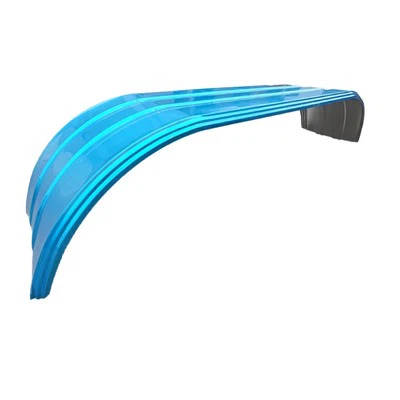
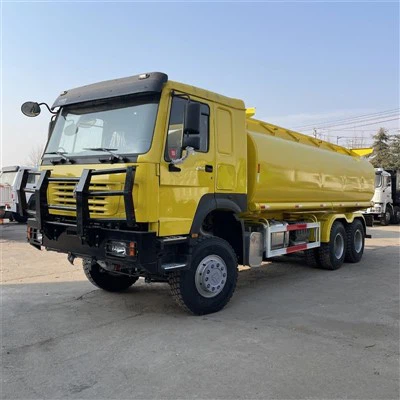
Hey there! I'm a supplier of Steel Trailer Mudguards, and I know firsthand how crucial it is to transport these heavy-duty parts safely. In this blog, I'll share some tips and tricks to ensure your steel trailer mudguards reach their destination in one piece.
Understanding the Challenges
Before we dive into the transportation methods, let's talk about the challenges you might face when moving steel trailer mudguards. These bad boys are heavy, bulky, and prone to damage if not handled properly. They can also be sharp, so you need to take extra precautions to avoid injuries.
Another challenge is finding the right transportation method. Depending on the size and weight of your mudguards, you might need to use a truck, a trailer, or even a freight carrier. You also need to consider the distance, the route, and the weather conditions.
Preparing the Mudguards for Transport
The first step in transporting steel trailer mudguards safely is to prepare them properly. Here are some tips to help you get started:


- Clean the Mudguards: Before you transport the mudguards, make sure they are clean and free of dirt, debris, and rust. This will not only make them look better but also prevent damage during transport.
- Inspect the Mudguards: Check the mudguards for any cracks, dents, or other damage. If you find any issues, repair them before you transport the mudguards.
- Protect the Mudguards: Wrap the mudguards in protective materials, such as bubble wrap, foam, or cardboard, to prevent scratches and dents during transport. You can also use straps or ropes to secure the mudguards to the transportation vehicle.
- Label the Mudguards: Label the mudguards with their size, weight, and destination to make it easier to identify them during transport.
Choosing the Right Transportation Method
Once you have prepared the mudguards for transport, the next step is to choose the right transportation method. Here are some options to consider:
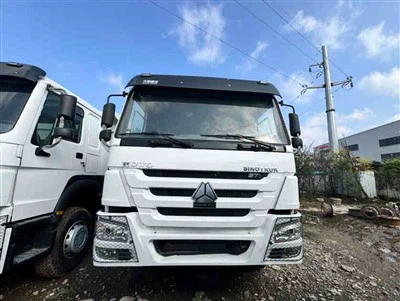
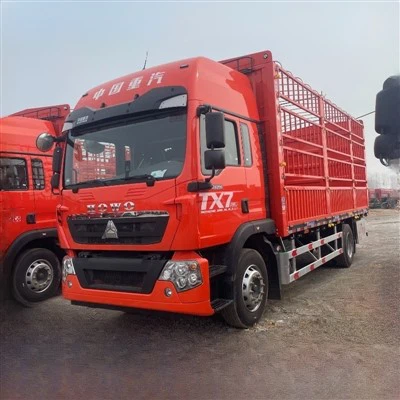
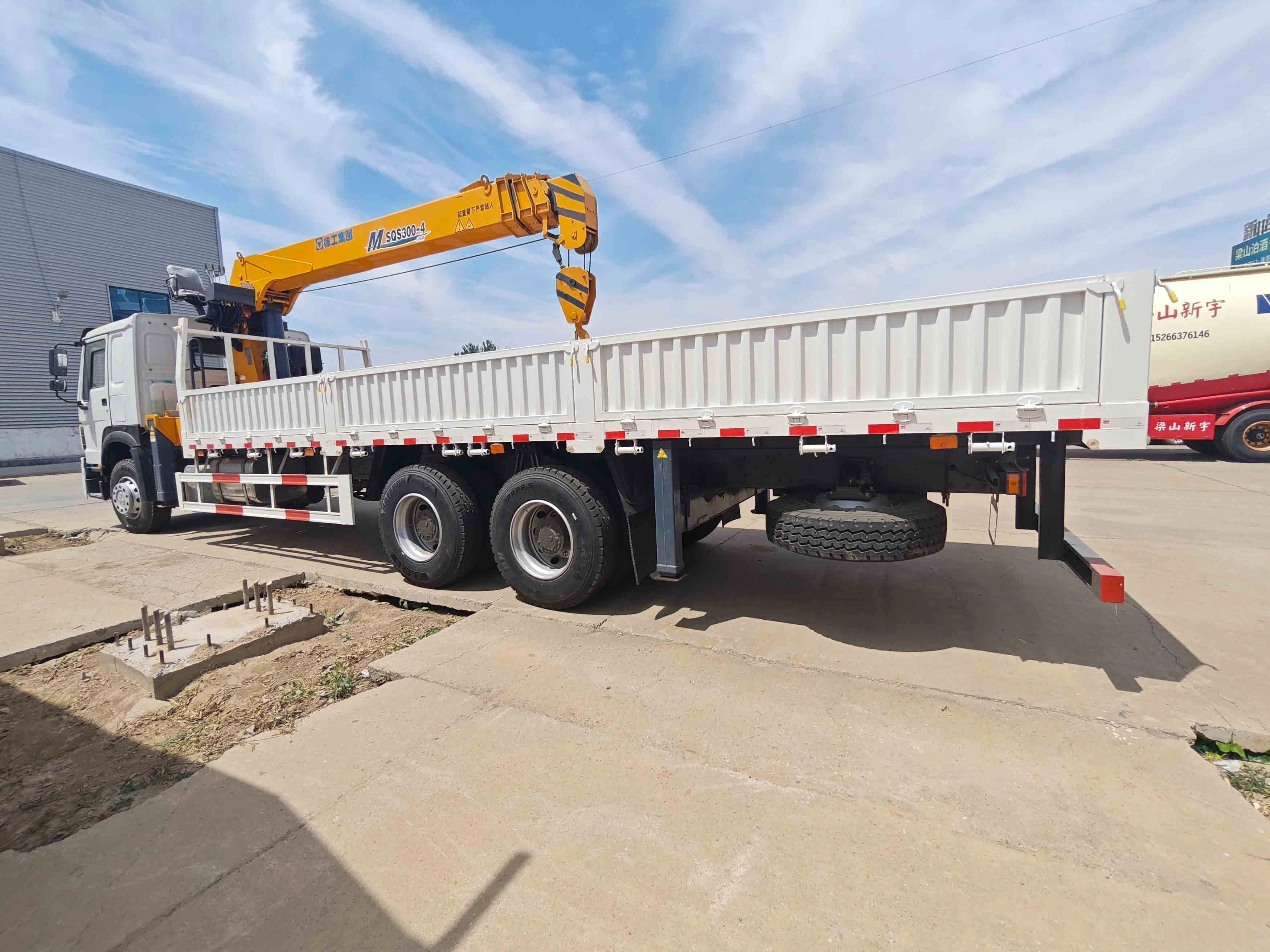
- Truck: If you are transporting a small number of mudguards over a short distance, you can use a truck. Make sure the truck is large enough to accommodate the mudguards and has a secure tie-down system to prevent them from shifting during transport.
- Trailer: If you are transporting a large number of mudguards or need to transport them over a long distance, you can use a trailer. There are different types of trailers available, such as flatbed trailers, enclosed trailers, and tilt trailers. Choose the type of trailer that best suits your needs.
- Freight Carrier: If you are transporting the mudguards internationally or need to transport them to a remote location, you can use a freight carrier. Freight carriers specialize in transporting large and heavy items and have the equipment and expertise to ensure your mudguards are transported safely.
Loading and Securing the Mudguards
Once you have chosen the transportation method, the next step is to load and secure the mudguards. Here are some tips to help you do it safely:
- Use a Loading Ramp: If you are loading the mudguards onto a truck or trailer, use a loading ramp to make the process easier and safer. Make sure the ramp is sturdy and secure before you start loading the mudguards.
- Load the Mudguards Carefully: When loading the mudguards, make sure they are placed evenly on the truck or trailer to prevent them from shifting during transport. Use straps or ropes to secure the mudguards to the transportation vehicle.
- Check the Securement: Before you start driving, check the securement of the mudguards to make sure they are properly secured. Make any necessary adjustments to the straps or ropes to ensure the mudguards are stable.
Driving Safely
Once you have loaded and secured the mudguards, the next step is to drive safely. Here are some tips to help you do it:
- Drive Slowly and Carefully: When transporting heavy and bulky items, it's important to drive slowly and carefully. Avoid sudden stops, starts, and turns, and make sure you have enough time to react to any unexpected situations.
- Follow the Speed Limit: Make sure you follow the speed limit and drive at a safe speed. This will not only help you avoid accidents but also prevent damage to the mudguards.
- Check the Load Regularly: While driving, check the load regularly to make sure the mudguards are still properly secured. If you notice any issues, pull over and make the necessary adjustments.
Unloading the Mudguards
Once you have reached your destination, the next step is to unload the mudguards. Here are some tips to help you do it safely:
- Use a Loading Ramp: If you are unloading the mudguards from a truck or trailer, use a loading ramp to make the process easier and safer. Make sure the ramp is sturdy and secure before you start unloading the mudguards.
- Unload the Mudguards Carefully: When unloading the mudguards, make sure they are placed gently on the ground to prevent damage. Use straps or ropes to lower the mudguards to the ground.
- Inspect the Mudguards: After you have unloaded the mudguards, inspect them for any damage. If you find any issues, contact the transportation company or the supplier immediately.
Conclusion
Transporting steel trailer mudguards safely requires careful planning, preparation, and execution. By following the tips and tricks outlined in this blog, you can ensure your mudguards reach their destination in one piece. Remember to choose the right transportation method, load and secure the mudguards properly, drive safely, and unload the mudguards carefully. If you have any questions or need more information, feel free to contact us. We're here to help!
References
- American Trucking Associations. (n.d.). Safe Hauling Tips. Retrieved from https://www.trucking.org/safety/safe-hauling-tips
- Federal Motor Carrier Safety Administration. (n.d.). Cargo Securement Rules. Retrieved from https://www.fmcsa.dot.gov/regulations/cargo-securement
- National Highway Traffic Safety Administration. (n.d.). Heavy Vehicle Safety. Retrieved from https://www.nhtsa.gov/road-safety/heavy-vehicle-safety