Hey there! As a supplier of container semi - trailers, I often get asked about the difference between a container semi - trailer and a regular semi - trailer. So, I thought I'd write this blog to clear up any confusion and give you a better understanding of these two types of trailers.
Let's start with the basics. A semi - trailer is a type of trailer that doesn't have a front axle and is designed to be pulled by a tractor unit. They're commonly used in the transportation industry to move all sorts of goods from one place to another. But when we talk about container semi - trailers and regular semi - trailers, there are some key differences that set them apart.
Design and Structure
One of the most obvious differences is in their design. A regular semi - trailer comes in a variety of shapes and sizes, and its structure is tailored to the specific type of cargo it's meant to carry. For example, flatbed trailers are just a flat platform, which is great for hauling large, heavy items like construction equipment or steel beams. They don't have any sides or a roof, so the cargo is exposed.
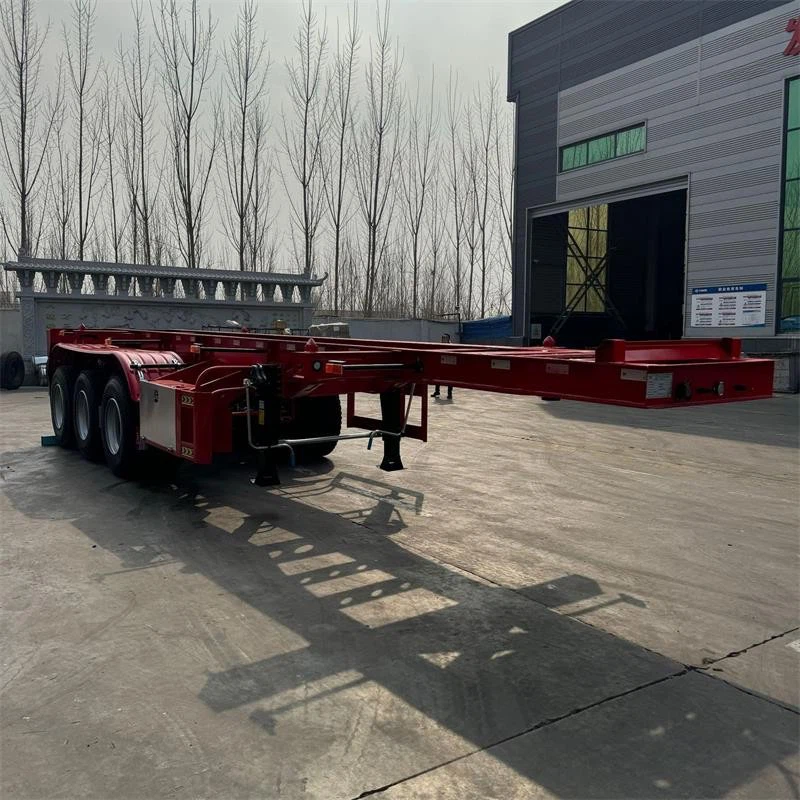
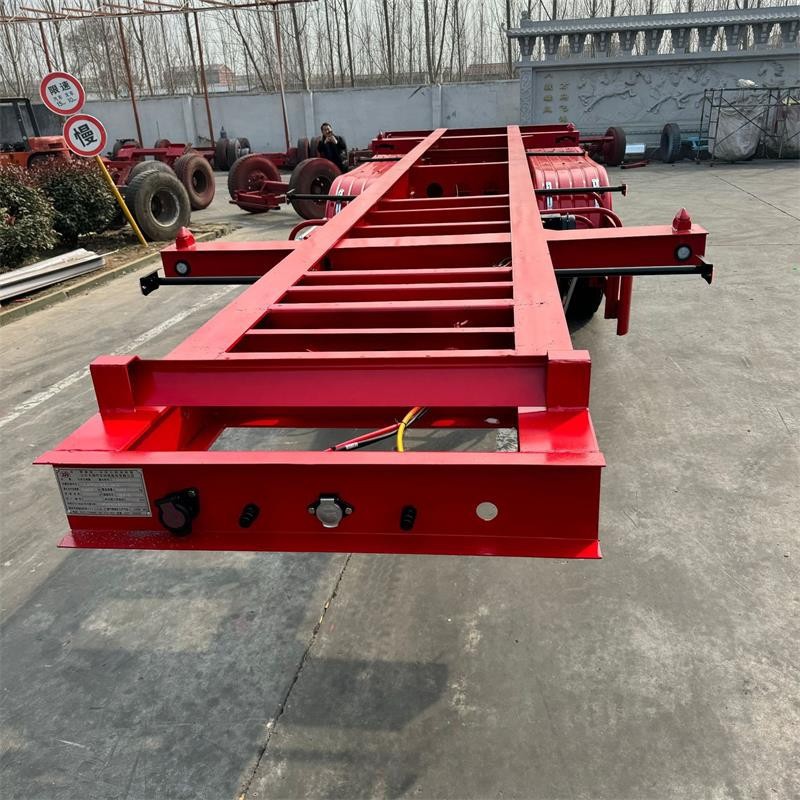
On the other hand, container semi - trailers are built specifically to carry shipping containers. These trailers have a framework that's designed to securely hold the containers in place. The containers are standardized in size, with the most common ones being 20 - foot and 40 - foot long. The trailer's structure has to be strong enough to support the weight of the container and its contents.
Take a look at our 3 Axle 40ft Container Trailer. It's built with a robust frame that can handle the hefty weight of a 40 - foot container. The axles are carefully spaced and designed to distribute the load evenly, ensuring a smooth and safe ride. Similarly, our 3 Axle 20ft Container Trailer is optimized for the 20 - foot container, with all the necessary features to keep the container secure during transit.
Loading and Unloading
Loading and unloading also differ between the two types of trailers. With a regular semi - trailer, the method depends on the nature of the cargo. For flatbed trailers, cranes or forklifts are often used to load and unload the goods. It can be a time - consuming process, especially if the items are large or awkwardly shaped.
Container semi - trailers, however, benefit from the standardized nature of shipping containers. There are specialized container handling equipment available, such as container cranes at ports or terminals. These cranes can quickly lift the containers on and off the trailers. This makes the loading and unloading process much faster and more efficient, which is a big advantage when it comes to transporting goods in large volumes.
Cargo Compatibility
The type of cargo that each trailer can carry is another major difference. Regular semi - trailers are versatile and can transport a wide range of goods. They can carry everything from furniture and appliances to building materials. But because of their open design (in the case of flatbeds), they're not suitable for protecting the cargo from the elements.
Container semi - trailers, as the name suggests, are mainly used for shipping containers. These containers can hold all kinds of goods, from consumer products to industrial equipment. The containers are sealed, which means the cargo inside is protected from rain, wind, and dust. This makes them ideal for long - distance transportation and international shipping.
Mobility and Flexibility
When it comes to mobility, container semi - trailers offer more flexibility in some ways. Since the containers can be easily transferred between different modes of transportation, like ships, trains, and trucks, it's possible to create a seamless intermodal transportation system. This allows for more efficient movement of goods across different regions.
Regular semi - trailers are more limited in this regard. Once the cargo is loaded, it's usually stuck on that particular trailer until it reaches its destination. They're mainly used for direct point - to - point transportation on roads.
Cost and Maintenance
Cost is always a factor when choosing a trailer. Regular semi - trailers can be less expensive to purchase initially, especially the simpler designs like flatbeds. However, the cost of loading and unloading equipment, as well as the time spent on these processes, can add up.
Container semi - trailers may have a higher upfront cost, but they can save money in the long run. The faster loading and unloading times mean less downtime, which translates to more trips and more revenue. In terms of maintenance, both types of trailers need regular checks and upkeep. But container semi - trailers, with their standardized components, may be easier to maintain as replacement parts are more readily available.
Safety Features
Safety is a top priority in the transportation industry. Both container semi - trailers and regular semi - trailers are equipped with safety features, but there are some differences. Regular semi - trailers often have tie - down points to secure the cargo, but since the cargo is exposed, there's a higher risk of it shifting during transit.
Container semi - trailers have built - in locking mechanisms to keep the containers firmly attached to the trailer. This reduces the risk of the container coming loose while the trailer is in motion. Additionally, the containers themselves are designed to withstand a certain amount of impact, providing an extra layer of protection for the cargo.
Market Demand
The market demand for the two types of trailers also varies. Regular semi - trailers are in demand for local and regional transportation, especially for industries that need to move goods within a relatively small area. They're also popular in construction and agriculture, where the cargo may not fit into a standard container.
Container semi - trailers, on the other hand, are in high demand in the international shipping and logistics industry. With the growth of global trade, the need for transporting goods in containers has increased significantly. More and more companies are looking for reliable container semi - trailers to meet their shipping needs.
In conclusion, both container semi - trailers and regular semi - trailers have their own unique features and advantages. The choice between the two depends on your specific transportation requirements, such as the type of cargo, the distance of the journey, and the budget.
If you're in the market for a container semi - trailer, we've got a great selection to choose from. Our trailers are built to the highest standards, with quality components and excellent craftsmanship. Whether you need a 3 Axle 40ft Container Trailer or a 3 Axle 20ft Container Trailer, we can provide you with a reliable and cost - effective solution.
If you're interested in learning more about our container semi - trailers or have any questions about the differences between the two types of trailers, feel free to reach out. We're here to help you make the right choice for your transportation business. Let's start a conversation and see how we can meet your needs!
References
- "Transportation Engineering Handbook"
- Industry reports on semi - trailer manufacturing and logistics