When it comes to installing steel trailer fenders on an old trailer, there are several crucial aspects that you need to check beforehand. As a trusted Steel Trailer Fender supplier, I've gathered a wealth of experience in this field, and I'm here to share some essential pre - installation checks with you.
1. Trailer Compatibility
The first and most fundamental step is to ensure that the steel trailer fenders you plan to install are compatible with your old trailer. Different trailers have different specifications, including the number of axles, the width of the trailer, and the overall design.
Axle Configuration
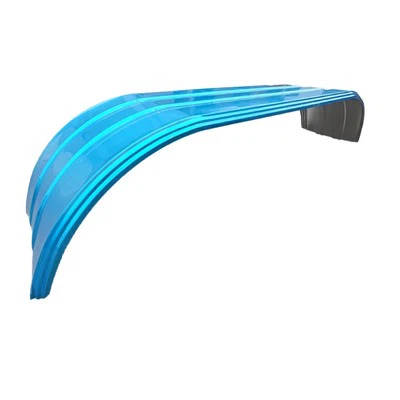
If your trailer has a single axle, tandem axles, or triple axles, it will significantly impact the type of fenders you need. For example, a Premium Quality Tandem Axle Straight Leaf Spring is designed specifically for tandem - axle trailers. This type of fender needs to cover the area over both axles properly, providing adequate protection from road debris and water splashes. On the other hand, a Heavy Duty Curved Triple Axle Trailer Fender is engineered to fit trailers with three axles, offering a wider coverage area.
Trailer Width
Measure the width of your trailer accurately. The fenders should be wide enough to extend beyond the outer edges of the tires. A general rule of thumb is that the fenders should protrude at least a few inches on each side of the tire. If the fenders are too narrow, they won't provide sufficient protection, and if they are too wide, they may interfere with other parts of the trailer or the towing vehicle.
2. Condition of the Trailer Frame
The trailer frame serves as the foundation for the fenders. Before installation, thoroughly inspect the frame for any signs of damage, rust, or weakness.
Rust and Corrosion
Rust can weaken the structural integrity of the trailer frame. If you find rust on the areas where the fenders will be attached, it's essential to address it. You can use a wire brush to remove loose rust, followed by applying a rust - inhibiting primer and paint. In severe cases, where the rust has caused significant damage, you may need to replace the affected parts of the frame before proceeding with the fender installation.
Structural Damage
Check for any cracks, bends, or other forms of structural damage in the frame. These issues can compromise the stability of the fenders once they are installed. If you notice any structural problems, consult a professional trailer repair service. They can assess the damage and determine the best course of action, which may involve welding, straightening, or replacing parts of the frame.
3. Tire Size and Clearance
The size of your trailer tires plays a vital role in the fender installation process.
Tire Dimensions
Measure the diameter, width, and aspect ratio of your tires. The fenders should be sized appropriately to accommodate the tires. For example, larger tires may require taller and wider fenders to ensure proper coverage. If the fenders are too small for the tires, they won't be able to prevent debris from being thrown up onto the trailer and other vehicles on the road.
Clearance
Ensure that there is sufficient clearance between the tires and the fenders. When the trailer is in motion, the tires may flex and move slightly. If the fenders are too close to the tires, they can rub against the tires, causing premature wear on both the tires and the fenders. A clearance of at least an inch or two is usually recommended, but this can vary depending on the type of trailer and the driving conditions.
4. Mounting Points
The mounting points on the trailer are where the fenders will be attached. It's crucial to check these points to ensure they are in good condition.
Existing Mounting Holes
If your old trailer already has mounting holes for fenders, inspect them for any signs of damage or wear. The holes should be clean and free of debris. If the holes are stripped or damaged, you may need to repair them or create new ones. Make sure the holes are the correct size and spacing for the fenders you are installing.


Additional Mounting Requirements
Some trailers may require additional mounting brackets or supports for the fenders. Check if your trailer needs any such components and ensure that they are available and in good condition. These additional supports can enhance the stability of the fenders, especially when the trailer is carrying heavy loads or traveling on rough roads.
5. Fender Material and Quality
As a Steel Trailer Fender supplier, I understand the importance of using high - quality materials.
Steel Grade
The grade of steel used in the fenders affects their durability and strength. Look for fenders made from high - quality steel that is resistant to rust and corrosion. Galvanized steel is a popular choice as it has a protective zinc coating that helps prevent rust. The thickness of the steel also matters. Thicker steel fenders are generally more robust and can withstand more wear and tear.
Construction Quality
Inspect the fenders for any signs of poor construction, such as uneven welds, sharp edges, or rough surfaces. Well - constructed fenders should have smooth edges to prevent injury during installation and use. The welds should be strong and uniform, ensuring that the fenders can withstand the forces exerted on them while the trailer is in motion.
6. Local Regulations
Before installing steel trailer fenders, familiarize yourself with the local regulations regarding trailer fenders.
Legal Requirements
Different regions may have specific laws regarding the size, shape, and installation of trailer fenders. For example, some areas may require fenders to cover a certain percentage of the tire's diameter. Make sure the fenders you choose comply with all relevant local regulations to avoid fines and legal issues.
Safety Standards
In addition to legal requirements, there are also safety standards that fenders should meet. These standards are designed to ensure that the fenders provide adequate protection for the trailer, other vehicles on the road, and pedestrians. Look for fenders that are certified to meet industry - recognized safety standards.
7. Complementary Accessories
Consider any complementary accessories that may be needed for the fender installation.
Mudflaps
Mudflaps can enhance the functionality of the fenders by further reducing the amount of mud, water, and debris that is thrown up by the tires. They can be attached to the bottom of the fenders and are available in various materials and styles.
Fasteners
Use high - quality fasteners, such as bolts and nuts, to secure the fenders to the trailer. The fasteners should be made from corrosion - resistant materials to ensure long - term durability. Make sure to use the correct size and type of fasteners as specified by the fender manufacturer.
8. Aesthetic Considerations
While functionality is the primary concern, the appearance of the fenders can also be important.
Color and Finish
Choose a color and finish for the fenders that complements the overall look of your trailer. You can find fenders in a variety of colors, including black, white, and silver. A smooth and professional finish not only looks good but also helps protect the steel from the elements.
Style
There are different styles of fenders available, such as straight, curved, and angled. Select a style that suits the design of your trailer. For example, a curved fender may give a more modern and aerodynamic look, while a straight fender may be more traditional.
In conclusion, installing steel trailer fenders on an old trailer requires careful planning and thorough checks. By ensuring trailer compatibility, checking the frame condition, considering tire size and clearance, inspecting mounting points, using high - quality fenders, complying with regulations, and choosing appropriate accessories, you can ensure a successful fender installation. If you have any questions or need assistance in selecting the right Aluminum Semi Trailer Mudguard or steel trailer fenders for your old trailer, feel free to reach out to us. We are here to help you make the best choice for your trailer's needs. Contact us to start a procurement discussion and find the perfect fenders for your trailer.
References
- Trailer Industry Standards and Guidelines
- Professional Trailer Repair Manuals
- Steel Manufacturing and Corrosion Resistance Literature