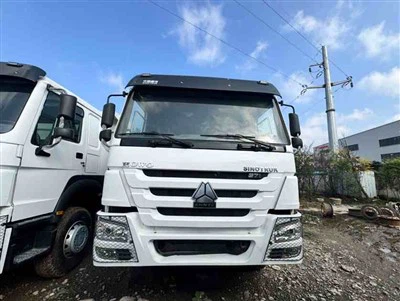
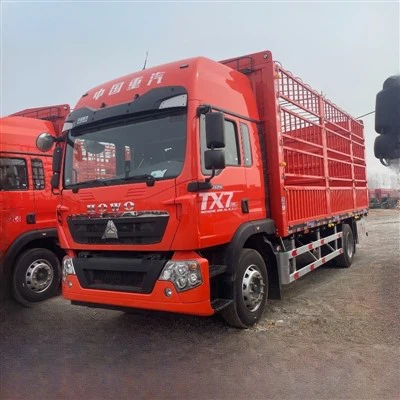
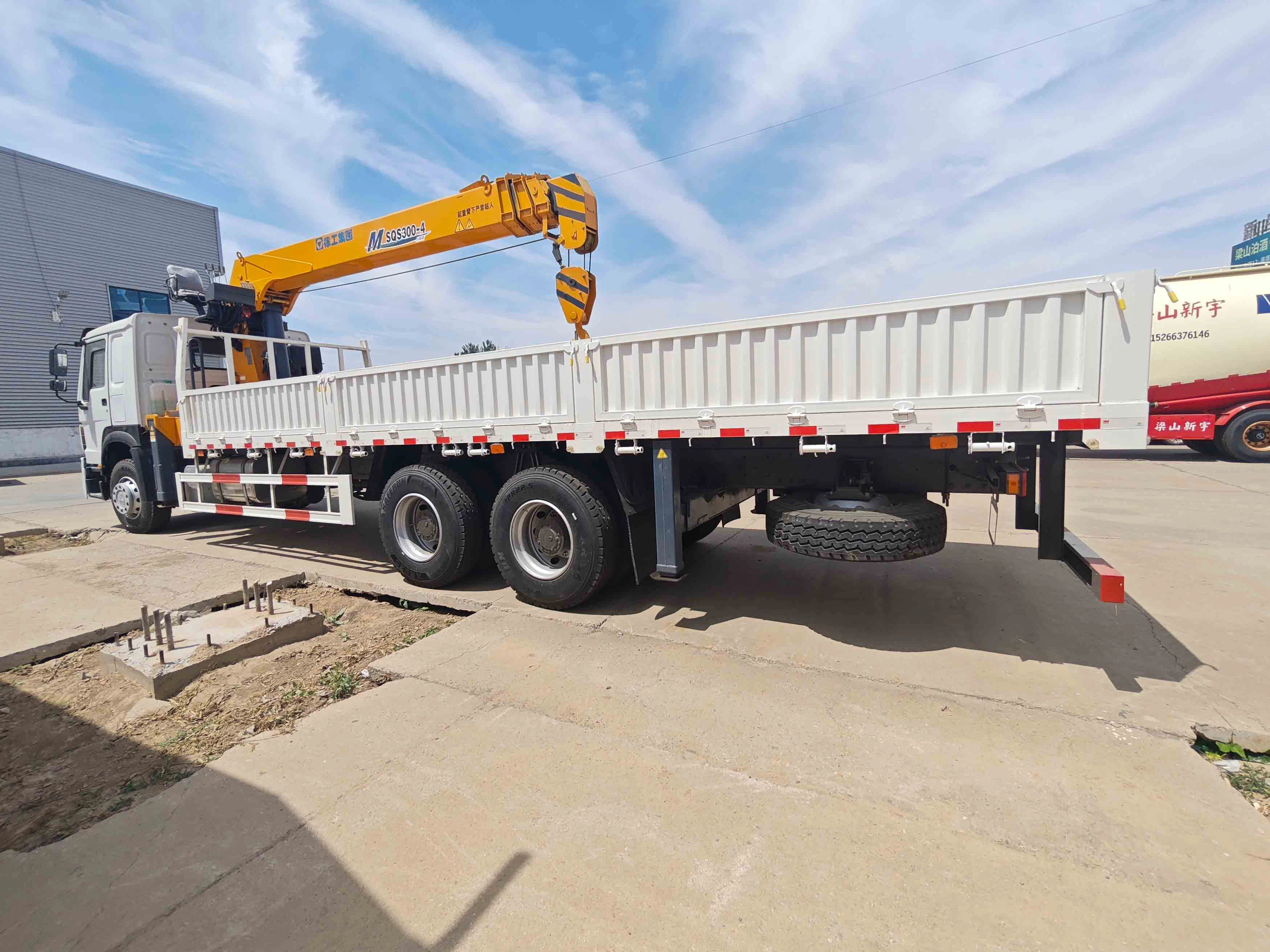
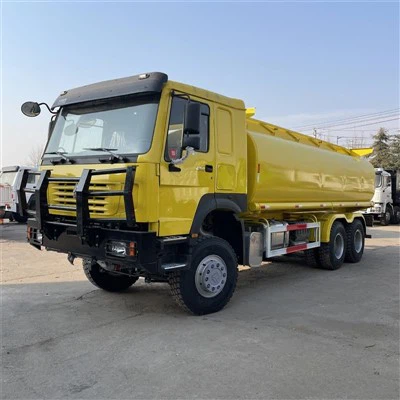
Steel trailer mudguards play a crucial role in protecting trailers and the surrounding environment from dirt, mud, and debris kicked up by the wheels. As a supplier of steel trailer mudguards, I am often asked about the materials used in their production. In this blog post, I will delve into the various materials employed to make these essential trailer components.
Steel: The Primary Material
The most common material for steel trailer mudguards is, unsurprisingly, steel. Steel offers a range of advantages that make it an ideal choice for this application.
Carbon Steel
Carbon steel is one of the most widely used types of steel in mudguard manufacturing. It contains carbon as the main alloying element, which gives it strength and durability. The carbon content can vary, with higher carbon steels generally being stronger but also more brittle. For trailer mudguards, medium - carbon steels are often preferred as they strike a good balance between strength and formability.
Carbon steel mudguards can withstand the impact of stones, road debris, and harsh weather conditions. They are also relatively inexpensive compared to some other materials, making them a cost - effective option for trailer manufacturers and operators. However, carbon steel is prone to rusting, especially in wet or corrosive environments. To combat this, carbon steel mudguards are often coated with a protective layer.
Stainless Steel
Stainless steel is another popular choice for steel trailer mudguards. It contains chromium, which forms a passive oxide layer on the surface of the steel, protecting it from corrosion. Stainless steel mudguards are highly resistant to rust, stains, and oxidation, even in harsh marine or industrial environments.
They offer excellent durability and a long service life, which can offset their higher initial cost. Stainless steel also has an aesthetic appeal, with a smooth, shiny finish that can enhance the appearance of the trailer. However, stainless steel is more expensive than carbon steel, and its high strength can make it more difficult to form into complex shapes.
Coating Materials
To enhance the performance and longevity of steel trailer mudguards, various coating materials are applied.
Galvanized Coating
Galvanization is a process in which a layer of zinc is applied to the surface of the steel. Zinc acts as a sacrificial anode, corroding preferentially to the steel beneath it. Galvanized steel mudguards are highly resistant to rust and corrosion, even in outdoor and high - humidity environments.
The galvanizing process can be hot - dip galvanizing or electro - galvanizing. Hot - dip galvanizing involves immersing the steel in a bath of molten zinc, resulting in a thick and durable coating. Electro - galvanizing, on the other hand, uses an electric current to deposit a thinner layer of zinc onto the steel surface. Galvanized mudguards are widely used in the transportation industry due to their cost - effectiveness and corrosion resistance.
Powder Coating
Powder coating is a dry finishing process in which a fine powder is electrostatically applied to the surface of the steel mudguard. The powder is then cured under heat, forming a hard, durable, and smooth finish.
Powder coating offers several advantages. It provides excellent protection against scratches, chips, and UV rays. It also comes in a wide range of colors, allowing for customization to match the trailer's aesthetics. Powder - coated mudguards are more environmentally friendly than traditional liquid paint coatings, as they produce less waste and emissions.


Other Supplementary Materials
In addition to steel and coatings, some other materials may be used in the construction of steel trailer mudguards.
Rubber Edging
Rubber edging is often added to the edges of steel trailer mudguards. It serves multiple purposes. Firstly, it provides a cushioning effect, reducing the risk of damage to the mudguard and other parts of the trailer in case of impact. Secondly, it helps to seal the gap between the mudguard and the trailer, preventing dirt and water from seeping through.
Rubber edging is usually made of natural rubber or synthetic rubber compounds, such as neoprene or EPDM. These materials are resistant to abrasion, weathering, and chemicals, ensuring a long service life.
Reinforcement Materials
For heavy - duty applications, reinforcement materials may be used to strengthen the steel trailer mudguards. This can include additional steel bars or plates welded to the mudguard structure. Reinforcement helps the mudguard to withstand higher loads and impacts, especially in off - road or industrial trailer applications.
Comparison with Other Fender Materials
While steel is the primary material for trailer mudguards, there are other materials available in the market.
Aluminum
Trailer Aluminum Fender is a popular alternative to steel. Aluminum is lightweight, which can reduce the overall weight of the trailer and improve fuel efficiency. It is also highly resistant to corrosion, as it forms a natural oxide layer on its surface.
However, aluminum is generally less strong than steel, and it may not be as suitable for heavy - duty applications. Aluminum fenders are also more expensive than carbon steel fenders, although they may be comparable in price to stainless steel fenders.
Different Types of Steel Trailer Mudguards
There are various types of steel trailer mudguards available, each designed for specific applications.
Heavy Duty 3 - Axle Straight Fender Mudguard
As the name suggests, these mudguards are designed for heavy - duty trailers with three axles. They are straight in shape, providing maximum coverage and protection for the wheels. Heavy - duty 3 - axle straight fender mudguards are typically made of thick - gauge steel and are reinforced to withstand the high loads and impacts associated with heavy - duty transportation.
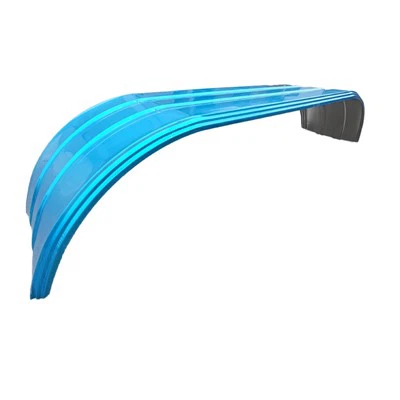
Curved Fenders
Curved fenders are designed to follow the contour of the trailer's wheels. They offer a more aerodynamic shape, which can reduce wind resistance and improve fuel efficiency. Curved fenders are often used in modern trailers where aesthetics and performance are both important considerations.
Why Choose Our Steel Trailer Mudguards
As a supplier of steel trailer mudguards, we take pride in offering high - quality products. Our mudguards are made from the finest grades of steel, whether it's carbon steel for cost - effective solutions or stainless steel for maximum corrosion resistance.
We use state - of - the - art manufacturing processes to ensure the precision and durability of our products. Our galvanizing and powder - coating facilities provide superior protection against rust and wear. We also offer a wide range of customization options, including different shapes, sizes, and colors, to meet the specific needs of our customers.
Our Steel Trailer Fender products are designed to meet or exceed industry standards. We have a strict quality control system in place, ensuring that every mudguard leaving our factory is of the highest quality.
Conclusion
In conclusion, steel trailer mudguards are made from a variety of materials, with steel being the primary component. Carbon steel and stainless steel offer different advantages in terms of strength, cost, and corrosion resistance. Coating materials such as galvanized and powder coatings enhance the performance and longevity of the mudguards. Supplementary materials like rubber edging and reinforcement materials are also used to improve functionality.
If you are in the market for high - quality steel trailer mudguards, we invite you to contact us for more information. We are committed to providing the best products and services to our customers. Whether you need a standard mudguard or a customized solution, we have the expertise and resources to meet your requirements. Reach out to us today to start a procurement discussion and find the perfect steel trailer mudguards for your trailers.
References
- ASM Handbook, Volume 1: Properties and Selection: Irons, Steels, and High - Performance Alloys. ASM International.
- Corrosion Resistance of Metals and Alloys. Marcel Dekker.
- Automotive Steel Manual. World Steel Association.