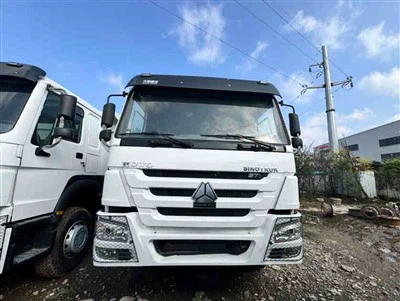
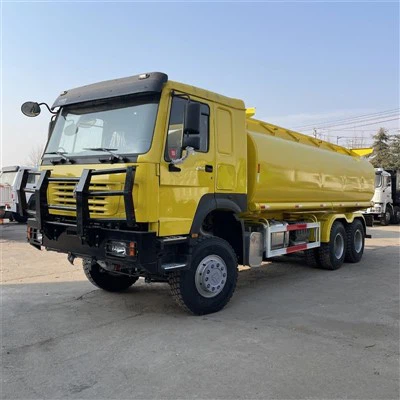
Hey there! As a supplier of Howo Fuel Tanker Trucks, I often get asked about the ventilation system of these trucks' tanks. It's a crucial part of the tanker truck, and understanding it can help you make a better decision when you're looking to buy one. So, let's dive right in and explore what the ventilation system of a Howo Fuel Tanker Truck's tank is all about.
Why Do We Need a Ventilation System?
First off, you might be wondering why a fuel tanker truck even needs a ventilation system. Well, there are a few good reasons. When fuel is loaded into the tank, the air inside the tank needs to escape. Otherwise, the pressure inside the tank would build up, which could lead to all sorts of problems, like leaks or even an explosion. On the other hand, when fuel is unloaded, fresh air needs to enter the tank to replace the fuel that's being removed. This helps maintain a stable pressure inside the tank.
Another reason for the ventilation system is to prevent the build - up of vapors. Fuel vapors are not only flammable but can also be harmful to the environment and human health. A proper ventilation system allows these vapors to be safely released or managed, reducing the risk of fire and protecting the environment.
Components of the Ventilation System
The ventilation system of a Howo Fuel Tanker Truck's tank typically consists of several key components.
Vent Pipes
Vent pipes are one of the most visible parts of the ventilation system. They are usually installed on the top of the fuel tank. These pipes allow air and vapors to enter and exit the tank. The size and number of vent pipes can vary depending on the size of the tank and the type of fuel being transported. For example, larger tanks may require more vent pipes to ensure proper ventilation.
Pressure - Vacuum Valves
Pressure - vacuum valves are another important component. These valves are designed to open and close automatically based on the pressure inside the tank. When the pressure inside the tank is higher than the outside pressure, the valve opens to release the excess pressure. Conversely, when the pressure inside the tank is lower than the outside pressure, the valve opens to allow fresh air to enter the tank. This helps maintain a safe and stable pressure inside the tank at all times.
Vapor Recovery Systems
Some Howo Fuel Tanker Trucks are equipped with vapor recovery systems. These systems are designed to capture the fuel vapors that are released during the loading and unloading process. Instead of letting the vapors escape into the atmosphere, the vapor recovery system collects them and either stores them for later use or returns them to the fuel storage facility. This not only helps protect the environment but also reduces fuel loss.


How the Ventilation System Works
Now, let's take a look at how the ventilation system works in different scenarios.
During Loading
When fuel is being loaded into the tank, the air inside the tank needs to be displaced. As the fuel level rises, the air is pushed out through the vent pipes. The pressure - vacuum valve also plays a role here. If the pressure inside the tank starts to build up too quickly, the valve will open to release the excess pressure, ensuring a smooth loading process.
During Unloading
During the unloading process, the opposite happens. As fuel is removed from the tank, the pressure inside the tank drops. The pressure - vacuum valve then opens to allow fresh air to enter the tank, preventing a vacuum from forming. This helps maintain a stable pressure and allows the fuel to flow out of the tank easily.
During Transportation
While the truck is on the move, the ventilation system continues to work. The movement of the truck can cause the fuel inside the tank to slosh around, which can change the pressure inside the tank. The pressure - vacuum valve constantly monitors the pressure and adjusts accordingly to keep the pressure stable.
Importance of a Well - Functioning Ventilation System
A well - functioning ventilation system is essential for the safe operation of a Howo Fuel Tanker Truck. Here are some of the key benefits:
Safety
Safety is the number one priority when it comes to transporting fuel. A properly functioning ventilation system helps prevent over - pressurization and vacuum formation inside the tank, reducing the risk of leaks, explosions, and other dangerous situations.
Environmental Protection
By capturing and managing fuel vapors, the ventilation system helps reduce air pollution. This is especially important as fuel vapors contain harmful chemicals that can contribute to smog and other environmental problems.
Fuel Efficiency
A good ventilation system can also improve fuel efficiency. By maintaining a stable pressure inside the tank, it ensures that the fuel is loaded and unloaded smoothly, reducing fuel loss during the process.
Our Howo Fuel Tanker Trucks and Ventilation Systems
At our company, we take great pride in providing high - quality Howo Fuel Tanker Trucks with top - notch ventilation systems. Our trucks are designed to meet the highest safety and environmental standards. Whether you're looking for a Sinotruk 6x4 Fuel Truck for local deliveries or a 6x4 Fuel Delivery Truck for longer hauls, we've got you covered. And if you need a larger capacity truck, our Sinotruk 8x4 fuel transfer tank is a great option.
Our ventilation systems are carefully engineered and tested to ensure optimal performance. We use the latest technology and high - quality materials to make sure that our trucks' ventilation systems are reliable and long - lasting.
Contact Us for Purchase
If you're in the market for a Howo Fuel Tanker Truck, we'd love to hear from you. Our team of experts can answer all your questions about the ventilation system and other features of our trucks. We can also provide you with a detailed quote based on your specific requirements. Whether you're a small business owner looking for a single truck or a large company in need of a fleet, we have the right solution for you.
References
- Truck and Bus Handbook, edited by Wolfgang Crolla.
- "Principles of Tanker Truck Design and Operation" by industry experts in the transportation field.