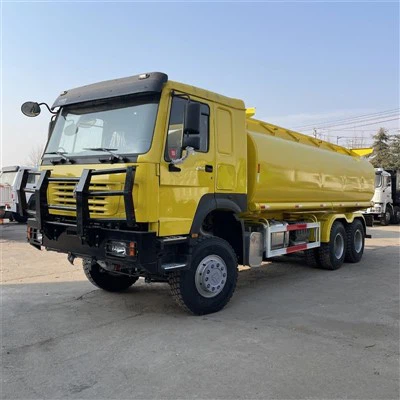
As a cargo truck supplier, I've had my fair share of experiences working with cargo truck dispatchers. These folks are the unsung heroes of the transportation industry, keeping everything running smoothly behind the scenes. So, what exactly is the role of a cargo truck dispatcher? Let's dive in and find out.
Scheduling and Coordination
One of the primary roles of a cargo truck dispatcher is scheduling and coordination. They're responsible for making sure that trucks are in the right place at the right time to pick up and deliver cargo. This involves working closely with shippers, receivers, and truck drivers to create efficient schedules that minimize downtime and maximize productivity.
For example, let's say a shipper has a load of goods that need to be transported from New York to Los Angeles. The dispatcher will need to find a truck that's available and has the capacity to carry the load. They'll then need to coordinate with the driver to schedule a pick-up time and route the truck to the destination. This might involve planning the most efficient route, taking into account factors like traffic, road conditions, and rest stops.
In addition to scheduling pick-ups and deliveries, dispatchers also need to coordinate with other departments within the transportation company. This might include working with the maintenance department to ensure that trucks are in good working condition, or with the accounting department to process invoices and payments.
Communication
Another important role of a cargo truck dispatcher is communication. They're the main point of contact between the truck driver, the shipper, and the receiver. This means that they need to be able to communicate effectively and clearly, both verbally and in writing.
Dispatchers need to be able to provide drivers with detailed instructions about their routes, pick-up and delivery times, and any special requirements or restrictions. They also need to be able to answer drivers' questions and address any concerns they might have. In addition, dispatchers need to be able to communicate with shippers and receivers to provide updates on the status of their shipments and to address any issues or problems that might arise.
Effective communication is essential for ensuring that everything runs smoothly in the transportation industry. Dispatchers need to be able to build strong relationships with their drivers, shippers, and receivers, and they need to be able to communicate in a professional and courteous manner at all times.
Problem Solving
In the transportation industry, things don't always go according to plan. That's why cargo truck dispatchers need to be skilled problem solvers. They need to be able to think on their feet and come up with solutions to unexpected problems quickly and efficiently.
For example, let's say a truck breaks down on the way to a delivery. The dispatcher will need to quickly assess the situation and come up with a plan to get the truck back on the road as soon as possible. This might involve arranging for a tow truck to pick up the truck, or it might involve finding a replacement truck to complete the delivery.
Dispatchers also need to be able to handle other types of problems, such as traffic delays, weather conditions, and customs issues. They need to be able to work with their drivers, shippers, and receivers to find solutions to these problems and to minimize the impact on the delivery schedule.
Load Planning
Load planning is another important role of a cargo truck dispatcher. They need to be able to determine the most efficient way to load cargo onto a truck, taking into account factors like weight, size, and fragility.
Dispatchers need to make sure that the cargo is loaded in a way that maximizes the use of the truck's space and ensures that it's secure during transport. This might involve using specialized equipment, such as pallets or crates, to organize the cargo, or it might involve using straps or ropes to secure the cargo to the truck.


In addition to load planning, dispatchers also need to be able to calculate the weight and volume of the cargo to make sure that it doesn't exceed the truck's capacity. This is important for ensuring the safety of the driver and the cargo, as well as for complying with legal regulations.
Safety and Compliance
Safety and compliance are top priorities in the transportation industry, and cargo truck dispatchers play an important role in ensuring that these standards are met. They need to make sure that their drivers are properly trained and licensed, and that they're following all safety regulations and procedures.
Dispatchers also need to make sure that their trucks are in good working condition and that they're properly maintained. This might involve scheduling regular inspections and maintenance checks, or it might involve working with the maintenance department to address any issues or problems that might arise.
In addition to safety, dispatchers also need to make sure that their drivers are complying with all legal regulations, such as hours of service rules and weight restrictions. They need to keep accurate records of their drivers' hours and mileage, and they need to make sure that their drivers are taking the required rest breaks.
Technology and Innovation
The transportation industry is constantly evolving, and cargo truck dispatchers need to be able to keep up with the latest technology and innovation. This might involve using software and tools to manage schedules, track shipments, and communicate with drivers, shippers, and receivers.
For example, many dispatchers now use GPS tracking systems to monitor the location of their trucks in real-time. This allows them to provide their drivers with up-to-date information about traffic conditions and to reroute them if necessary. Dispatchers might also use electronic logging devices (ELDs) to track their drivers' hours and mileage, which helps to ensure compliance with hours of service rules.
In addition to using technology to manage their day-to-day operations, dispatchers also need to be open to new ideas and innovations. They need to be willing to experiment with new technologies and processes to improve efficiency and productivity in the transportation industry.
Conclusion
In conclusion, the role of a cargo truck dispatcher is essential for the smooth operation of the transportation industry. They're responsible for scheduling and coordinating pick-ups and deliveries, communicating with drivers, shippers, and receivers, solving problems, planning loads, ensuring safety and compliance, and keeping up with the latest technology and innovation.
As a cargo truck supplier, I've seen firsthand the important role that dispatchers play in our business. They're the ones who make sure that our trucks are on the road, delivering goods to our customers on time and in good condition. Without them, our business wouldn't be able to function.
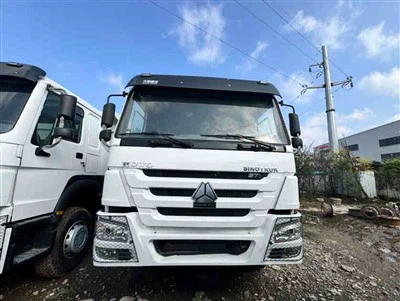
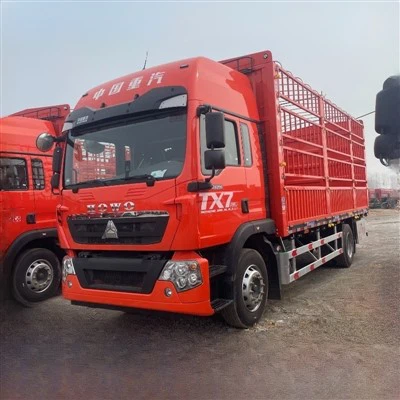
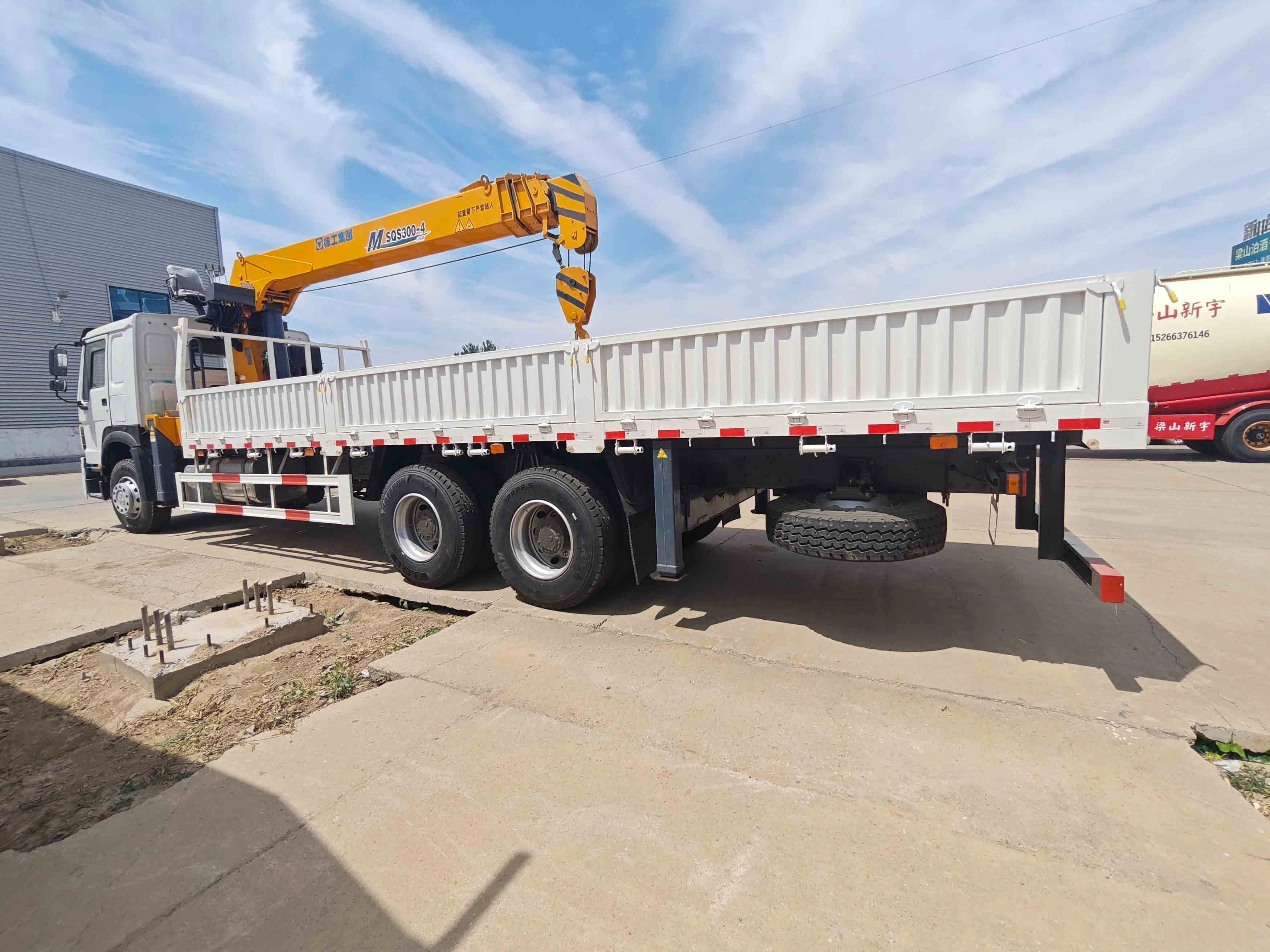
If you're interested in learning more about our cargo trucks, we have a wide range of options available, including the Sinotruk HOWO 371 6X4 Mobile Crane Truck, the SINOTruck Cargo Truck, and the 6x4 Fence Cargo Truck. We're always happy to discuss your specific needs and requirements and to help you find the right truck for your business. So, if you're in the market for a cargo truck, don't hesitate to contact us to start the procurement process and discuss the details.
References
- Transportation Research Board. (2019). The Future of Trucking: Trends, Challenges, and Opportunities. National Academies Press.
- American Trucking Associations. (2020). ATA Truck Tonnage Index. Retrieved from https://www.truckline.com/
- Federal Motor Carrier Safety Administration. (2021). Hours of Service Regulations. Retrieved from https://www.fmcsa.dot.gov/