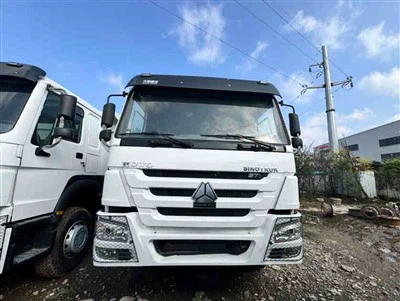
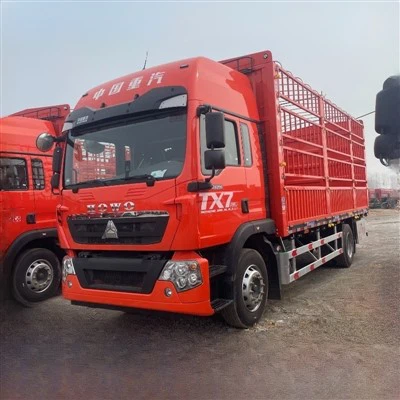
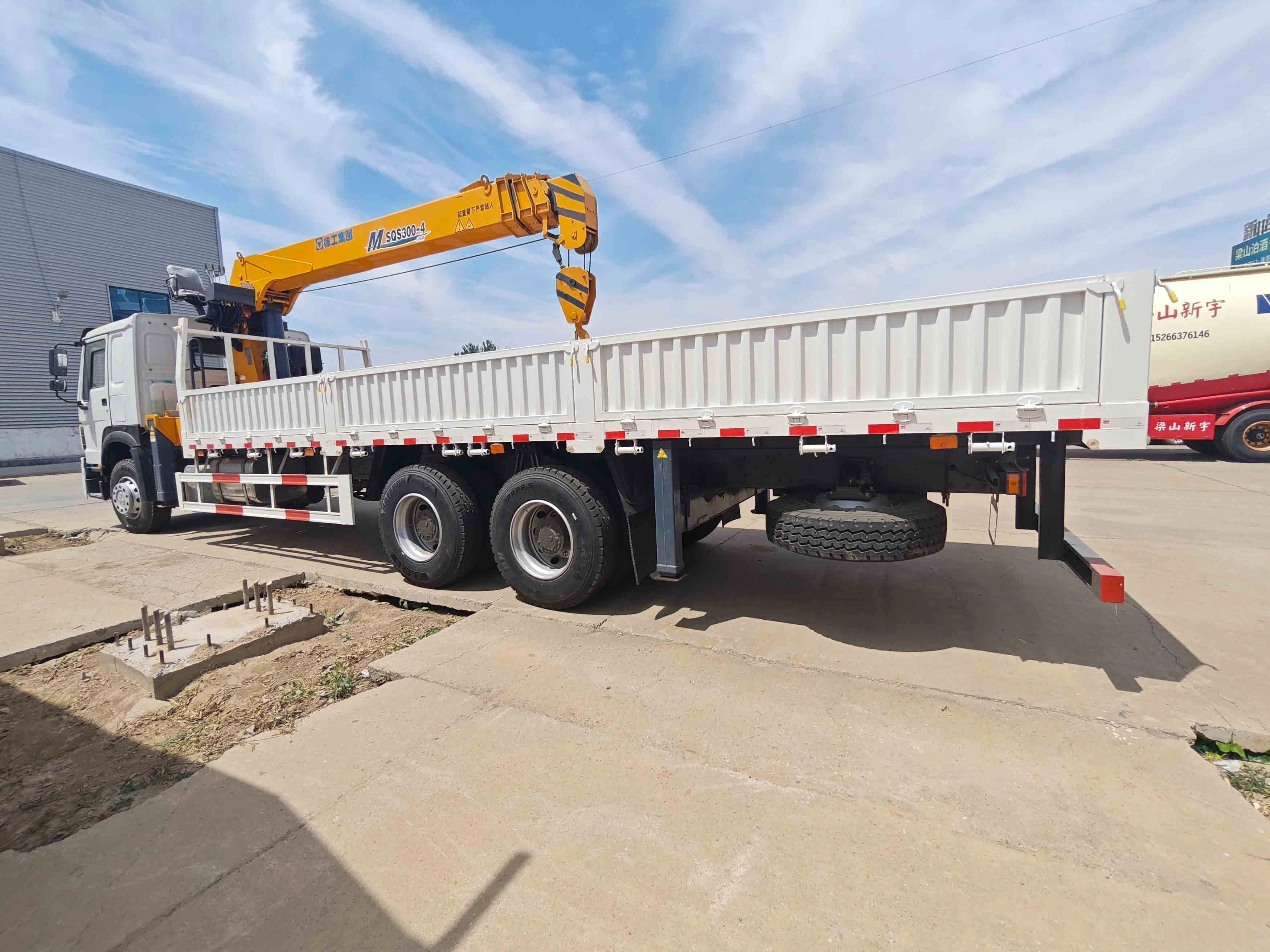
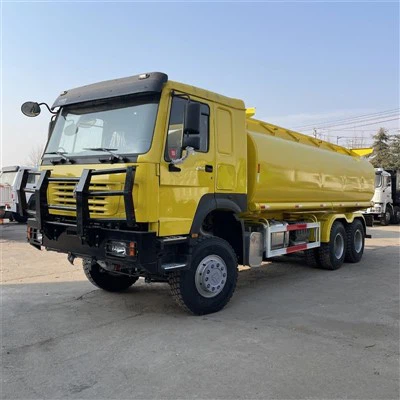
As a supplier of used Howo cargo trucks, one of the most frequently asked questions I receive from potential buyers is about the fuel consumption of these vehicles. Understanding the fuel consumption of a used Howo cargo truck is crucial for businesses looking to manage their operating costs effectively. In this blog post, I'll delve into the factors that influence the fuel consumption of used Howo cargo trucks and provide some general estimates to help you make an informed decision.
Factors Affecting Fuel Consumption
Vehicle Model and Configuration
Howo cargo trucks come in a variety of models and configurations, each with its own unique engine specifications and design features. For instance, larger trucks with more powerful engines typically consume more fuel than smaller, less powerful models. The number of axles, the type of transmission (manual or automatic), and the presence of additional equipment such as air conditioning or power steering can also impact fuel efficiency.
Load Weight
The weight of the cargo being transported is a significant factor in fuel consumption. Heavier loads require more energy to move, which means the engine has to work harder and consume more fuel. As a general rule, the fuel consumption of a Howo cargo truck increases proportionally with the load weight. It's important to note that overloading the truck can not only increase fuel consumption but also cause excessive wear and tear on the vehicle and pose a safety risk.
Driving Conditions
The driving conditions, including road type, traffic congestion, and weather, can have a substantial impact on fuel consumption. Driving on hilly terrain or in stop-and-go traffic requires more frequent acceleration and deceleration, which consumes more fuel compared to driving on flat, open roads at a constant speed. Additionally, adverse weather conditions such as strong winds, heavy rain, or snow can increase aerodynamic drag and reduce fuel efficiency.


Driving Habits
The driver's behavior behind the wheel also plays a crucial role in fuel consumption. Aggressive driving, such as rapid acceleration, hard braking, and speeding, can significantly increase fuel usage. On the other hand, adopting fuel-efficient driving habits, such as maintaining a steady speed, anticipating traffic conditions, and avoiding unnecessary idling, can help reduce fuel consumption.
General Fuel Consumption Estimates
It's important to note that the fuel consumption of a used Howo cargo truck can vary widely depending on the factors mentioned above. However, based on my experience as a supplier and feedback from customers, I can provide some general estimates.
On average, a used Howo cargo truck with a medium-sized engine (around 300 - 350 horsepower) and a typical load weight of 10 - 15 tons may consume approximately 20 - 30 liters of diesel per 100 kilometers under normal driving conditions. Larger trucks with more powerful engines and heavier loads may consume 30 - 40 liters or more per 100 kilometers.
It's also worth mentioning that newer models of Howo cargo trucks are often equipped with more advanced engine technologies and fuel-saving features, which can result in better fuel efficiency compared to older models. When considering the purchase of a used Howo cargo truck, it's advisable to inquire about the vehicle's fuel consumption history and ask for any available fuel efficiency data.
Comparing with Other Cargo Trucks
When evaluating the fuel consumption of used Howo cargo trucks, it can be helpful to compare them with other popular cargo truck brands. For example, the Shacman F3000 8x4 Chassis and SINOTruck Cargo Truck are also well-known in the market. While the fuel consumption of these trucks can vary depending on similar factors as Howo trucks, in general, Howo trucks are known for their good balance between power and fuel efficiency.
The 6x4 Fence Cargo Truck is another option that some buyers may consider. Each type of truck has its own advantages and disadvantages in terms of fuel consumption, and it's important to evaluate your specific needs and requirements before making a decision.
Tips for Reducing Fuel Consumption
If you're planning to purchase a used Howo cargo truck or already own one, here are some tips to help you reduce fuel consumption:
- Maintain the Vehicle Properly: Regular maintenance, such as oil changes, air filter replacements, and tire rotations, can help keep the engine running efficiently and improve fuel economy.
- Optimize the Load: Try to distribute the cargo evenly and avoid overloading the truck. Removing any unnecessary equipment or cargo can also reduce the weight and improve fuel efficiency.
- Use the Right Gear: When driving a manual transmission truck, use the appropriate gear for the speed and load. Shifting gears at the right time can help the engine operate more efficiently.
- Plan Your Routes: Whenever possible, plan your routes to avoid traffic congestion and hilly terrain. Using a GPS navigation system with real-time traffic updates can help you find the most fuel-efficient routes.
- Train Your Drivers: Provide training to your drivers on fuel-efficient driving techniques. Encourage them to drive smoothly, avoid rapid acceleration and braking, and maintain a steady speed.
Conclusion
In conclusion, the fuel consumption of a used Howo cargo truck is influenced by a variety of factors, including vehicle model, load weight, driving conditions, and driving habits. While it's difficult to provide an exact figure, understanding these factors and following the tips mentioned above can help you estimate and manage the fuel consumption of your truck more effectively.
If you're interested in purchasing a used Howo cargo truck or have any questions about fuel consumption or other aspects of these vehicles, I'd be more than happy to assist you. Contact me to start a conversation about your specific needs and requirements, and let's work together to find the right truck for your business.
References
- Industry reports on commercial vehicle fuel efficiency
- Customer feedback and experiences with used Howo cargo trucks