Hey there! As a supplier of pneumatic trailers, I often get asked about the corrosion resistance of these bad boys. So, I thought I'd take a deep dive into this topic and share everything you need to know.


First off, let's talk about what a pneumatic trailer is. It's a type of semi - trailer that's mainly used for transporting dry bulk materials like cement, flour, and sand. These trailers rely on compressed air to unload the materials, which makes the unloading process quick and efficient.
Now, corrosion is a big deal when it comes to pneumatic trailers. Why? Well, these trailers are often exposed to all sorts of harsh conditions. They can be out in the rain, in salty coastal air, or even in environments where they come into contact with corrosive chemicals during loading and unloading. If a trailer isn't corrosion - resistant, it can lead to a whole host of problems. The structural integrity of the trailer can be compromised, which means it might not be safe to use. Also, corrosion can make the trailer look shabby and reduce its resale value.
So, what are the factors that affect the corrosion resistance of a pneumatic trailer?
Material Selection
The choice of material is crucial. Most pneumatic trailers are made from steel or aluminum. Steel is a popular choice because it's strong and relatively inexpensive. However, steel is prone to rusting, which is a form of corrosion. To combat this, many steel trailers are coated with a layer of zinc through a process called galvanization. Galvanized steel has a protective zinc layer that acts as a barrier between the steel and the environment. When the zinc layer gets scratched, it sacrifices itself to protect the underlying steel.
On the other hand, aluminum is naturally corrosion - resistant. It forms a thin oxide layer on its surface when exposed to air, which protects it from further corrosion. Aluminum trailers are lighter than steel ones, which can lead to better fuel efficiency. But they are usually more expensive.
Coating and Painting
Even if a trailer is made from a corrosion - resistant material, an additional coating or paint can provide extra protection. A high - quality paint job can act as a physical barrier between the trailer and the elements. There are different types of paints available, such as epoxy paints, which are known for their excellent adhesion and corrosion - resistant properties. Some trailers also have a primer coat before the top - coat, which further enhances the protection.
Design and Construction
The design of the trailer can also play a role in its corrosion resistance. For example, a well - designed trailer should have proper drainage systems. If water can pool on the trailer, it can lead to corrosion over time. Also, the joints and seams of the trailer need to be properly sealed. Water or moisture can seep into these areas and cause corrosion from the inside out.
Maintenance
Regular maintenance is key to ensuring the long - term corrosion resistance of a pneumatic trailer. This includes washing the trailer regularly to remove dirt, salt, and other contaminants. It's also important to inspect the trailer for any signs of corrosion, such as rust spots or paint damage. If any issues are found, they should be addressed immediately. For example, if a small area of the paint has chipped off, it should be repainted to prevent further corrosion.
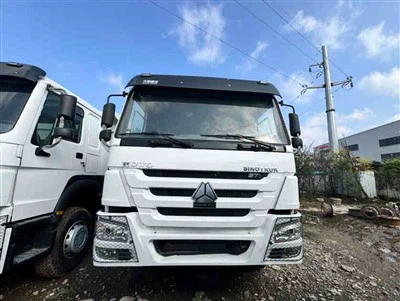
Now, let's take a look at some of the pneumatic trailers we offer. We have a great selection, including the Tanker Trailer. This trailer is built with high - quality materials and has excellent corrosion - resistant features. It's designed to handle large - scale transportation of cement and other dry bulk materials.
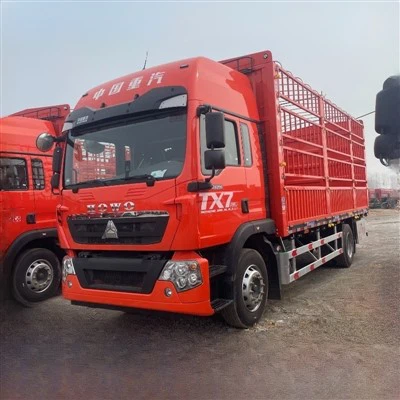
Another option is the 4 Axle Cement Trailer. With its four - axle design, it provides better stability and load - carrying capacity. And of course, we've taken all the necessary steps to ensure its corrosion resistance.
If you're looking for something a bit smaller, our 50 Ton Cement Trailer might be the perfect fit. It's a reliable and cost - effective solution for transporting medium - sized loads of dry bulk materials.
We understand that corrosion resistance is just one of the many factors you consider when buying a pneumatic trailer. You also want a trailer that's durable, efficient, and easy to operate. That's why we put a lot of effort into the design and manufacturing of our trailers. We use the latest technology and best practices to ensure that our trailers meet the highest standards.
If you're in the market for a pneumatic trailer, don't hesitate to reach out. We're here to answer all your questions and help you find the perfect trailer for your needs. Whether you're a small - scale contractor or a large - scale logistics company, we have a solution for you. Contact us today to start the conversation and let's work together to get you the best pneumatic trailer on the market.
References
- "Corrosion Prevention in the Transportation Industry" - A technical report on corrosion prevention methods in various transportation equipment.
- "Materials for Pneumatic Trailers: A Comparative Analysis" - A research paper comparing different materials used in pneumatic trailer construction.