Hey there! I'm in the business of supplying cargo trucks, and one question I get a lot is, "What's the average speed of a cargo truck during a long - distance journey?" Well, let's dig into this topic and find out.
First off, it's important to understand that there isn't a one - size - fits - all answer. The average speed of a cargo truck can be influenced by a whole bunch of factors.
Factors Affecting the Average Speed
1. Truck Type
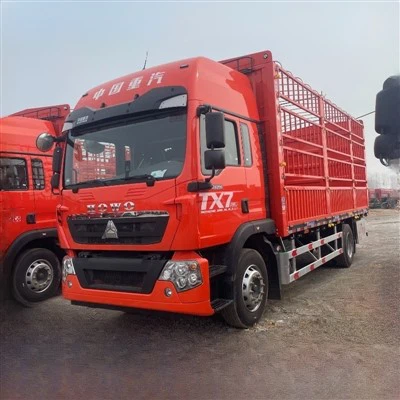
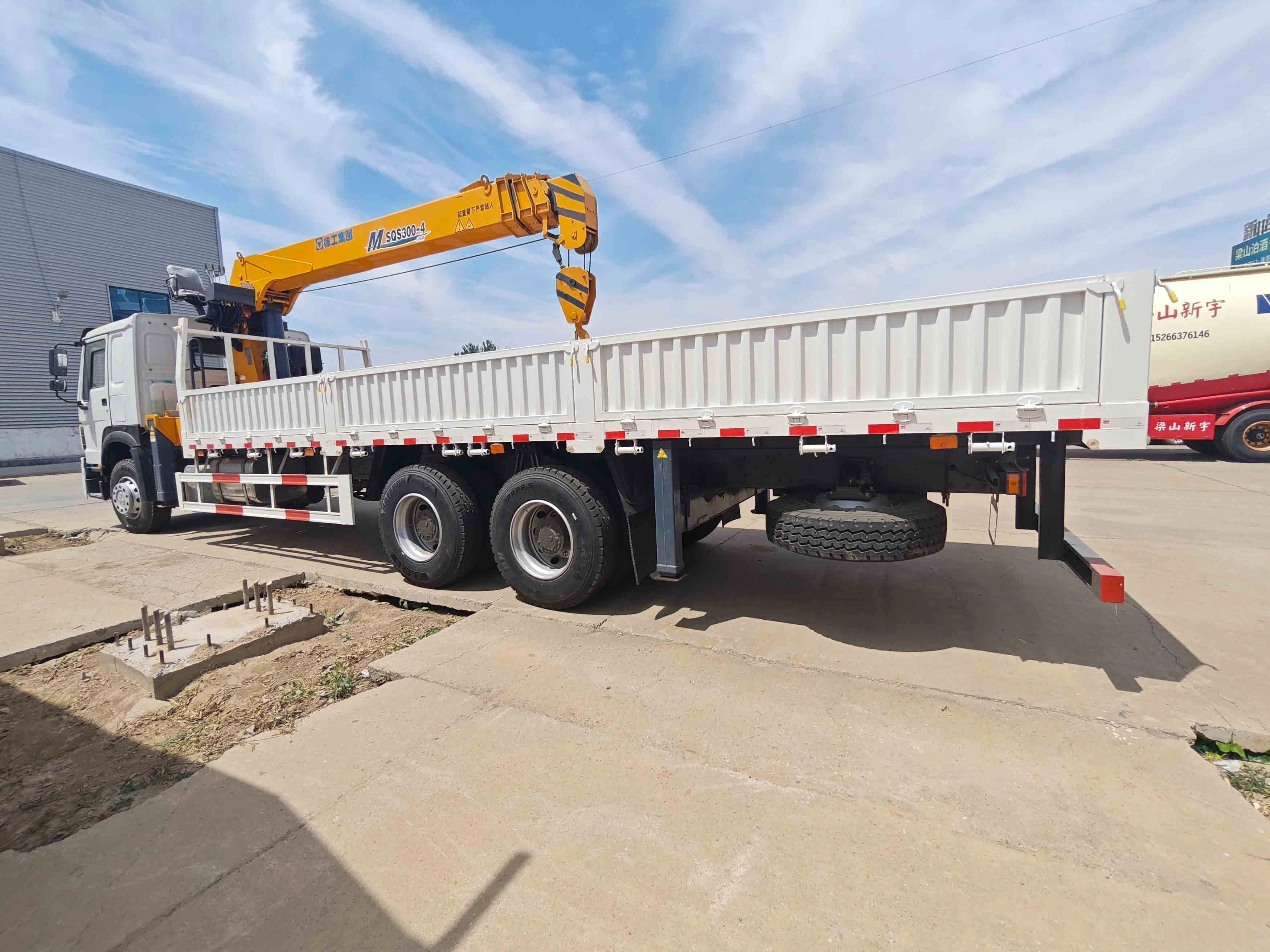
Different types of cargo trucks have different capabilities. For example, a 8x4 Rack Truck is a heavy - duty vehicle. It's built to carry large and heavy loads. Because of its size and the weight it can handle, it might not be as fast as a smaller truck. These big boys are more about power and stability rather than speed.
On the other hand, a 4x2 Cargo Truck is relatively lighter and more agile. It can usually reach higher speeds more easily compared to the larger 8x4 models. The 4x2 design gives it a bit more flexibility on the road, allowing it to accelerate and maintain speed with less effort.
2. Load Weight
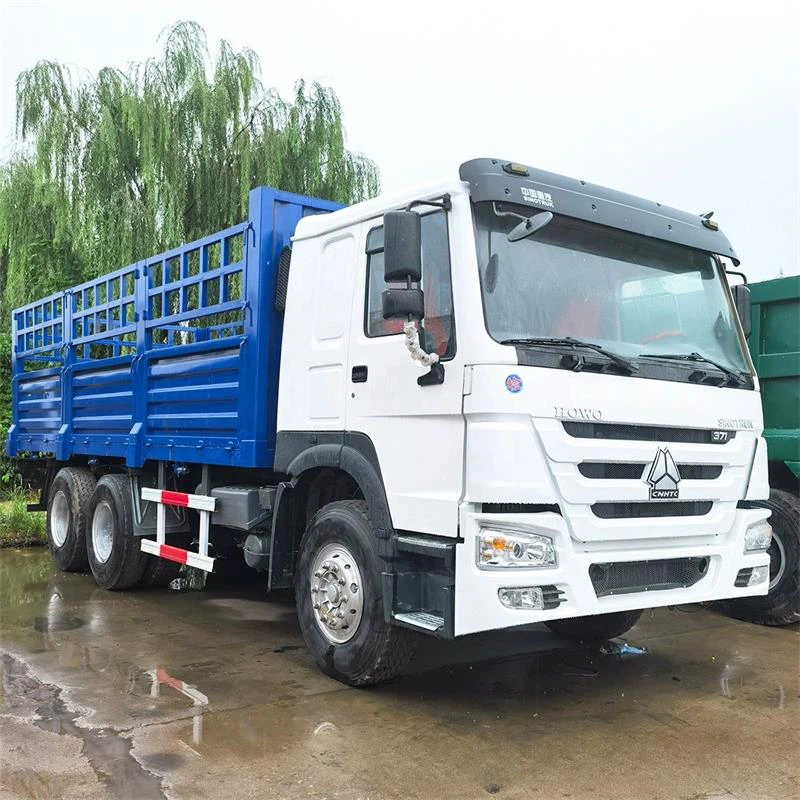
The weight of the cargo is a huge factor. A fully loaded cargo truck is going to be slower than an empty one. When a truck is carrying a heavy load, the engine has to work much harder to move it forward. This means it takes longer to accelerate, and the top speed is often reduced. For instance, if a 6x4 Fence Cargo Truck is filled to its maximum capacity, it will probably cruise at a slower speed compared to when it's just carrying a light load.
3. Road Conditions
The type of road the truck is traveling on makes a big difference. Highways are generally the best for speed. They're smooth, have fewer stops, and usually have higher speed limits. A cargo truck on a well - maintained highway can maintain a relatively high average speed.
However, if the truck has to travel on rural roads or mountainous terrain, the speed will be significantly affected. Rural roads might be bumpy, narrow, or have a lot of curves. Mountainous areas mean steep inclines and declines, which require the driver to slow down for safety reasons.
4. Traffic
Traffic is another major factor. In congested urban areas, a cargo truck might barely move at all. Stop - and - go traffic can really eat into the average speed. Even on highways, if there's a lot of traffic, the truck has to keep a safe distance from other vehicles and may have to slow down frequently.
5. Driver Behavior
The driver also plays a role. A cautious driver who follows all the speed limits and takes breaks regularly might have a different average speed compared to a more aggressive driver. But let's be clear, safety should always come first, and following the rules is crucial.
Typical Average Speeds
On average, a cargo truck on a long - distance highway journey might have an average speed of around 50 - 60 miles per hour (80 - 97 kilometers per hour). This takes into account the time spent accelerating, decelerating, and maintaining speed.

If the truck is traveling on a mix of roads, including some rural or urban sections, the average speed could drop to around 30 - 40 miles per hour (48 - 64 kilometers per hour). This is because of the slower speeds on non - highway roads and the time lost in traffic.
When a truck is fully loaded and traveling on mountainous terrain, the average speed might be even lower, perhaps around 20 - 30 miles per hour (32 - 48 kilometers per hour). The steep inclines and declines require the driver to use lower gears and drive more slowly for safety.
Why Does Average Speed Matter?
Knowing the average speed of a cargo truck is important for several reasons. For shippers, it helps them estimate delivery times. If they know the average speed of the truck carrying their goods, they can give their customers a more accurate delivery window.
For trucking companies, it's all about efficiency. A higher average speed means more trips can be made in a given period, which can increase revenue. However, this has to be balanced with safety and fuel efficiency.
Fuel Efficiency and Speed
There's also a relationship between speed and fuel efficiency. Generally, driving at a moderate speed is the most fuel - efficient. If a cargo truck is driven too fast, it uses more fuel. This is because the engine has to work harder to overcome air resistance, which increases exponentially with speed.
On the other hand, driving too slowly can also be inefficient. The engine may not be operating in its optimal range, and the truck spends more time on the road, burning more fuel overall.
Our Cargo Trucks and Speed
At our company, we offer a range of cargo trucks, from the 8x4 Rack Truck to the 4x2 Cargo Truck. Each of our trucks is designed to offer a good balance between power, speed, and fuel efficiency.
We understand that different customers have different needs. If you're looking for a truck that can handle heavy loads and still maintain a decent speed on long - distance trips, our 8x4 models might be the right choice. If you need something more agile and faster for lighter loads, our 4x2 trucks could be perfect.
Contact Us for Your Cargo Truck Needs
If you're in the market for a cargo truck, whether it's for long - distance hauling or local deliveries, we'd love to hear from you. We can help you choose the right truck based on your specific requirements, including the average speed you need for your routes.
Don't hesitate to reach out to us to start the conversation. We're here to make sure you get the best cargo truck for your business.
References
- "Trucking Industry Handbook" - A comprehensive guide on various aspects of the trucking industry, including factors affecting truck speed.
- "Transportation Research Journal" - Research articles on the relationship between vehicle speed, load, and road conditions.