Transporting food products in a cargo truck is a task that requires strict adherence to regulations to ensure the safety and quality of the goods. As a cargo truck supplier, I understand the importance of these regulations and how they impact both the transportation process and the end - consumers. In this blog, I will delve into the key regulations for transporting food products in a cargo truck.
Temperature Control
One of the most critical aspects of transporting food products is maintaining the appropriate temperature. Different types of food have different temperature requirements. For example, perishable foods such as meat, dairy products, and fresh produce need to be kept at low temperatures to prevent the growth of harmful bacteria.
The Food and Drug Administration (FDA) in the United States, along with similar regulatory bodies in other countries, has set specific temperature guidelines. For refrigerated foods, the temperature should generally be maintained between 0 - 5 degrees Celsius (32 - 41 degrees Fahrenheit). Frozen foods, on the other hand, need to be kept at -18 degrees Celsius (0 degrees Fahrenheit) or lower.
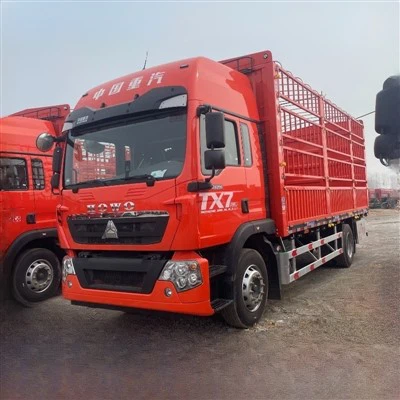
As a cargo truck supplier, we offer trucks equipped with advanced temperature - control systems. Our 6x4 Fence Cargo Truck comes with a state - of - the - art refrigeration unit that can precisely maintain the required temperature throughout the journey. These units are regularly inspected and maintained to ensure their reliability.
Hygiene and Sanitation
Hygiene is of utmost importance when transporting food products. The cargo truck must be clean and free from any contaminants that could potentially spoil the food. Before loading any food products, the truck should be thoroughly cleaned and disinfected.
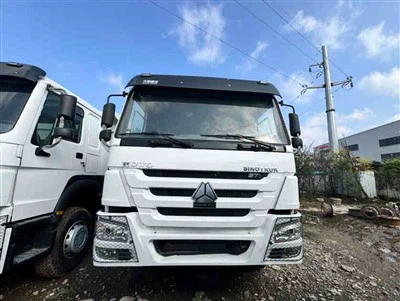
Surfaces inside the truck, including the floors, walls, and ceilings, should be made of materials that are easy to clean and sanitize. Stainless steel is a popular choice as it is non - porous and resistant to corrosion. Our SINOTruck Cargo Truck features stainless - steel interiors that meet the highest hygiene standards.
Regular cleaning schedules should be established, and records of cleaning and disinfection should be maintained. This documentation can be crucial in case of regulatory inspections. Additionally, drivers should follow strict personal hygiene practices, such as wearing clean uniforms and washing their hands regularly.
Packaging and Labeling
Proper packaging is essential to protect food products during transportation. The packaging should be sturdy enough to withstand the rigors of the journey and prevent any damage to the food. It should also be designed to keep out moisture, air, and other external factors that could affect the quality of the food.
Labels on the food packages must be accurate and include important information such as the product name, ingredients, expiration date, and storage instructions. This information helps both the transporter and the end - consumer to handle the food correctly.
As a truck supplier, we can provide advice on the best packaging solutions for different types of food products. Our trucks are designed to accommodate various packaging sizes and shapes, ensuring that the products are securely transported.
Loading and Unloading
The process of loading and unloading food products in a cargo truck should be carried out carefully to avoid any damage or contamination. The truck should be loaded in a way that allows for proper air circulation and temperature distribution. Heavy items should be placed at the bottom to prevent crushing of lighter items.
During unloading, the products should be handled gently to avoid any physical damage. It is also important to ensure that the unloading area is clean and free from any potential sources of contamination.
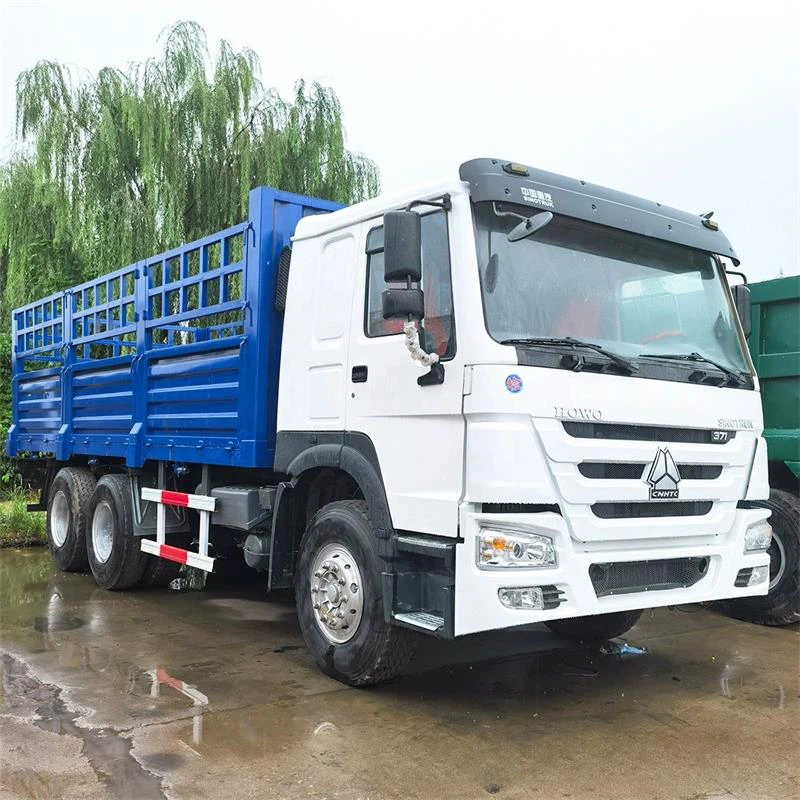

Our 4x2 Cargo Truck is designed with easy - access doors and loading ramps to facilitate smooth loading and unloading operations. This design feature helps to minimize the time the food is exposed to the external environment, reducing the risk of spoilage.
Documentation and Record - Keeping
Regulatory authorities require detailed documentation when transporting food products. This includes bills of lading, which list the products being transported, their quantity, and the origin and destination of the shipment. Temperature records should also be maintained throughout the journey to prove that the required temperature was maintained.
Records of cleaning, maintenance, and inspection of the truck are also necessary. These documents serve as evidence of compliance with the regulations and can be requested during regulatory audits.
As a cargo truck supplier, we can assist our customers in understanding the documentation requirements and provide templates or guidance on record - keeping.
Training and Certification
Drivers and other personnel involved in the transportation of food products should receive proper training. They need to understand the regulations related to food transportation, including temperature control, hygiene, and handling procedures.
Certification programs are available that can help drivers and operators demonstrate their knowledge and compliance with the regulations. By choosing our trucks, customers can also benefit from our network of training providers who can offer specialized courses on food transportation.
Regulatory Compliance in Different Regions
It is important to note that the regulations for transporting food products can vary from one region to another. In addition to national regulations, there may be international regulations when transporting food across borders.
For example, the European Union has its own set of strict regulations regarding food safety and transportation. When exporting food products to the EU, transporters need to comply with these regulations, which may include additional documentation and inspections.
As a global cargo truck supplier, we stay updated on the regulatory requirements in different regions. We can provide our customers with the necessary information and support to ensure that their food transportation operations are compliant no matter where they are headed.
Conclusion
Transporting food products in a cargo truck is a complex process that is governed by a multitude of regulations. From temperature control to hygiene, packaging, and documentation, every aspect needs to be carefully managed to ensure the safety and quality of the food.
As a cargo truck supplier, we are committed to providing our customers with trucks that meet the highest regulatory standards. Our 6x4 Fence Cargo Truck, SINOTruck Cargo Truck, and 4x2 Cargo Truck are designed with the latest technology and features to ensure the safe and efficient transportation of food products.
If you are in the market for a cargo truck for food transportation, we invite you to reach out to us for more information. Our team of experts can help you choose the right truck for your specific needs and guide you through the process of regulatory compliance. Contact us today to start the procurement discussion and take your food transportation business to the next level.
References
- Food and Drug Administration (FDA). (Year). Food Safety Regulations.
- European Union. (Year). Regulations on Food Transportation.
- Industry Standards for Cargo Truck Manufacturing.