Hey there! As a supplier of concrete mixer trucks, I've seen firsthand the importance of understanding the regulations for operating these beasts on the road. In this blog, I'll break down the key rules and guidelines you need to know to keep your operations safe and legal.
Licensing and Certification
First things first, you gotta have the right licenses and certifications to drive a concrete mixer truck. In most places, you'll need a commercial driver's license (CDL) with the appropriate endorsements. This usually includes a Class A or B CDL, depending on the weight of the truck, and an endorsement for operating a vehicle with air brakes.
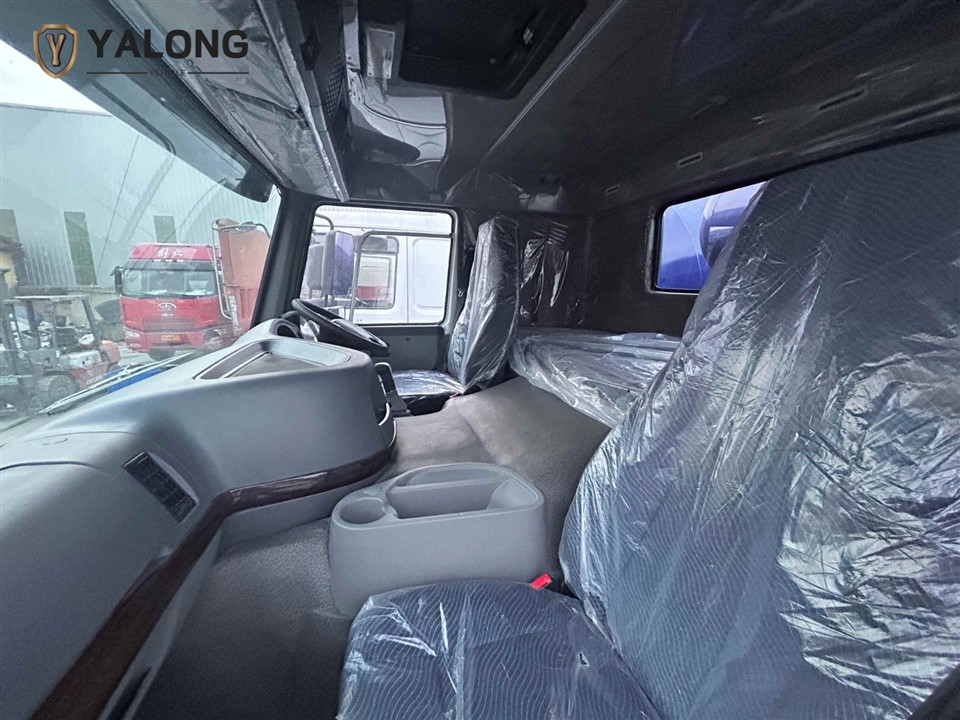

Some states or countries may also require additional certifications, such as a hazardous materials (HazMat) endorsement if you're transporting concrete additives or other chemicals. Make sure you check the specific requirements in your area and get all the necessary paperwork in order before hitting the road.
Vehicle Inspections
Before each trip, it's crucial to conduct a thorough inspection of your concrete mixer truck. This includes checking the tires, brakes, lights, and other safety features to ensure they're in good working condition. You should also inspect the mixer drum and its components, such as the blades and seals, to make sure they're not damaged or worn.
In addition to pre-trip inspections, regular maintenance and servicing are essential to keep your truck running smoothly. This includes changing the oil, filters, and fluids, as well as checking the engine, transmission, and other mechanical parts. Make sure you follow the manufacturer's recommended maintenance schedule and keep detailed records of all inspections and repairs.
Load Capacity and Distribution
One of the most important regulations for operating a concrete mixer truck is to stay within the vehicle's load capacity. Overloading can not only damage the truck but also increase the risk of accidents and fines. Make sure you know the maximum weight limit of your truck and never exceed it.
It's also important to distribute the load evenly in the mixer drum to prevent the truck from becoming unbalanced. This can cause handling problems and increase the risk of rollovers. Make sure you follow the manufacturer's guidelines for loading and unloading the mixer drum and use a level surface whenever possible.
Safety Equipment
Concrete mixer trucks are required to be equipped with certain safety features to protect the driver and other road users. This includes seat belts, airbags, and anti-lock braking systems (ABS). You should also make sure your truck has a fire extinguisher, first aid kit, and warning triangles in case of an emergency.
In addition to these basic safety features, some states or countries may require additional equipment, such as backup cameras or proximity sensors. Make sure you check the specific requirements in your area and install all the necessary safety equipment on your truck.
Driving Regulations
When operating a concrete mixer truck, you need to follow all the same driving regulations as any other commercial vehicle. This includes obeying speed limits, traffic signals, and other rules of the road. You should also use your turn signals, mirrors, and horns to communicate with other drivers and pedestrians.
In addition to these general driving regulations, there are some specific rules that apply to concrete mixer trucks. For example, you may be required to drive at a slower speed when the mixer drum is rotating to prevent the concrete from spilling. You should also avoid sudden stops or starts, as this can cause the concrete to shift and damage the truck.
Environmental Regulations
Concrete mixer trucks can have a significant impact on the environment, especially if they're not operated properly. To minimize this impact, there are several environmental regulations that you need to follow. This includes reducing emissions, preventing spills, and properly disposing of waste materials.
One of the most important environmental regulations for concrete mixer trucks is to use clean fuels and reduce emissions. This can be achieved by using low-sulfur diesel fuel, installing emission control devices, and maintaining your truck's engine and exhaust system. You should also avoid idling your truck for extended periods of time, as this can waste fuel and increase emissions.
Another important environmental regulation is to prevent spills and leaks of concrete and other materials. This can be achieved by using proper loading and unloading procedures, inspecting your truck's hoses and connections regularly, and cleaning up any spills immediately. You should also make sure you dispose of waste materials, such as concrete residue and wash water, in a proper and environmentally friendly manner.
Training and Education
Finally, it's important to provide your drivers with proper training and education on the regulations and best practices for operating a concrete mixer truck. This includes training on vehicle inspections, load capacity and distribution, safety equipment, driving regulations, and environmental regulations.
You should also provide your drivers with ongoing training and education to keep them up-to-date on the latest regulations and best practices. This can include attending industry conferences, workshops, and training courses, as well as providing on-the-job training and coaching.
Conclusion
Operating a concrete mixer truck requires a lot of responsibility and attention to detail. By following the regulations and best practices outlined in this blog, you can keep your operations safe and legal while also minimizing your impact on the environment.
If you're in the market for a new concrete mixer truck, I'd like to recommend some of our top products. Check out our concrete mixer for a reliable and efficient option. For those who need more power and precision, our Precision & Power: The HOWO 6x4 Concrete Mixer Truck Built For The Job is a great choice. And if you're looking for a specific capacity, our Sinotruk Howo6X4 Concrete Mixer Truck 10m³ is a popular option.
If you have any questions or would like to discuss your specific needs, please don't hesitate to reach out. We're here to help you find the perfect concrete mixer truck for your business.
References
- Federal Motor Carrier Safety Administration (FMCSA)
- Occupational Safety and Health Administration (OSHA)
- Environmental Protection Agency (EPA)
- National Highway Traffic Safety Administration (NHTSA)