When it comes to transporting pre - fabricated buildings, lowboy trailers stand out as a reliable and efficient solution. As a seasoned lowboy trailer supplier, I've witnessed firsthand the unique handling requirements that come with this specialized task. In this blog, I'll delve into the key handling aspects that need to be considered when using a lowboy trailer for transporting pre - fabricated buildings.
Understanding the Nature of Pre - Fabricated Buildings
Pre - fabricated buildings are constructed in sections or modules in a factory and then transported to the final construction site for assembly. These buildings can vary greatly in size, weight, and shape. Some may be relatively small and lightweight, while others can be large, heavy, and oddly shaped. This diversity in characteristics means that the handling requirements for transporting them on a lowboy trailer can be quite complex.
Trailer Selection
The first step in handling the transportation of pre - fabricated buildings is selecting the right lowboy trailer. There are several types of lowboy trailers available, each with its own features and capabilities.
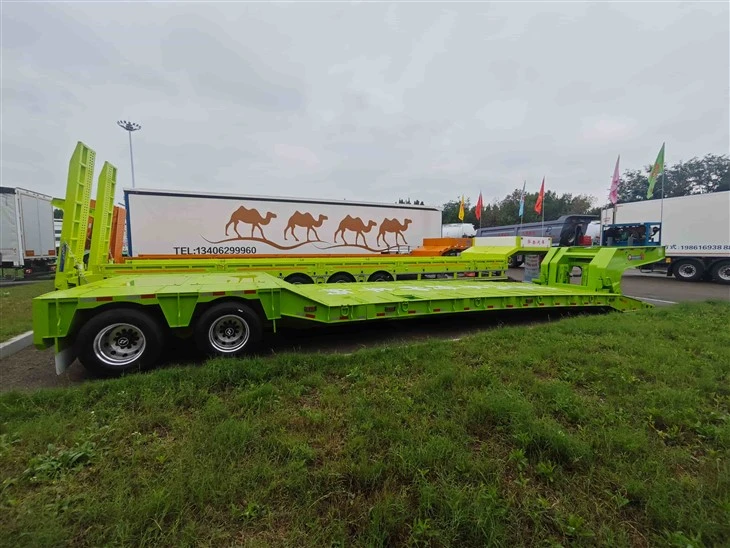
For example, the 40FT Expandable low flatbed trailer (3 Axles) is a great option for transporting larger pre - fabricated buildings. Its expandable feature allows for the adjustment of the trailer's length, accommodating different sizes of building modules. This flexibility is crucial when dealing with the varying dimensions of pre - fabricated structures.
The Folding Neck Lowboy Trailers are another excellent choice. Their folding neck design makes it easier to load and unload heavy and large pre - fabricated components. This type of trailer can be particularly useful when the building modules need to be loaded from the front or when space at the loading and unloading sites is limited.
The Removable Gooseneck Trailer is also a popular option. The detachable gooseneck allows for easy access to the trailer deck, making it convenient to load and secure pre - fabricated buildings. This type of trailer is well - suited for transporting extremely heavy and large modules, as it can distribute the weight more evenly across the axles.
Weight Distribution
Proper weight distribution is of utmost importance when transporting pre - fabricated buildings on a lowboy trailer. Uneven weight distribution can lead to a number of problems, including poor handling, increased wear and tear on the trailer, and even safety hazards on the road.
Before loading the pre - fabricated building modules onto the trailer, it's essential to calculate the weight of each module and plan their placement on the trailer accordingly. The heaviest parts of the building should be placed as close to the center of the trailer as possible and evenly distributed across the axles. This helps to maintain the trailer's stability and balance during transportation.
It's also important to ensure that the total weight of the load does not exceed the trailer's maximum weight capacity. Overloading the trailer can not only damage the trailer but also violate traffic regulations, resulting in fines and potential safety risks.
Securing the Load
Once the pre - fabricated building modules are loaded onto the lowboy trailer, they must be properly secured to prevent movement during transportation. Movement of the load can cause the trailer to become unstable, leading to accidents on the road.
There are several methods for securing the load on a lowboy trailer. Straps, chains, and binders are commonly used to tie down the building modules to the trailer deck. These securing devices should be strong enough to withstand the forces exerted on the load during acceleration, deceleration, and turning.
In addition to using straps and chains, blocking and bracing can also be used to prevent the load from shifting. Blocks of wood or other suitable materials can be placed around the building modules to keep them in place. It's important to ensure that the blocking and bracing are properly installed and can withstand the forces acting on the load.
Route Planning
Route planning is a critical aspect of transporting pre - fabricated buildings on a lowboy trailer. The size and weight of the load can limit the routes that can be taken. Low bridges, narrow roads, and sharp turns may pose challenges for the transportation of large pre - fabricated structures.
Before embarking on the journey, it's necessary to research the route thoroughly. Check for any height or weight restrictions along the way, as well as any construction zones or road closures. Use mapping tools and consult with local transportation authorities if necessary to find the safest and most efficient route.
It's also a good idea to plan for rest stops along the way. Long - distance transportation can be tiring for the driver, and regular breaks are essential for maintaining safety on the road.
Weather Considerations
Weather conditions can have a significant impact on the transportation of pre - fabricated buildings on a lowboy trailer. Strong winds, heavy rain, snow, and ice can all make the journey more difficult and dangerous.
In windy conditions, the pre - fabricated building modules on the trailer can act like sails, creating additional forces that can affect the trailer's stability. It may be necessary to reduce the speed of the vehicle or even wait for the wind to subside before continuing the journey.
Rain, snow, and ice can make the road surface slippery, increasing the risk of accidents. The driver should adjust their driving style accordingly, allowing for longer braking distances and driving at a slower speed. It's also important to ensure that the load is protected from the elements to prevent damage to the pre - fabricated building modules.
Maintenance and Inspection
Regular maintenance and inspection of the lowboy trailer are essential for ensuring its safe and efficient operation during the transportation of pre - fabricated buildings. Before each trip, the trailer should be inspected for any signs of damage or wear. This includes checking the tires, brakes, lights, and the overall structural integrity of the trailer.
The tires should be properly inflated, and their tread depth should be within the acceptable range. Worn - out tires can increase the risk of blowouts and reduce the trailer's traction on the road. The brakes should be in good working condition, and the lights should be functioning properly to ensure visibility on the road.
In addition to pre - trip inspections, the trailer should also undergo regular maintenance as recommended by the manufacturer. This may include oil changes, lubrication of moving parts, and replacement of worn - out components.
Training for Drivers
Drivers who operate lowboy trailers for transporting pre - fabricated buildings should receive specialized training. Handling a lowboy trailer with a large and heavy load requires different skills and techniques compared to driving a regular vehicle.

The training should cover topics such as weight distribution, load securing, trailer handling, and safety procedures. Drivers should also be familiar with the specific features and capabilities of the lowboy trailer they are operating.
Proper training can help drivers to handle the challenges of transporting pre - fabricated buildings more safely and efficiently, reducing the risk of accidents and ensuring the successful delivery of the load.
Conclusion
Transporting pre - fabricated buildings on a lowboy trailer involves a number of handling requirements that need to be carefully considered. From selecting the right trailer and ensuring proper weight distribution to securing the load, planning the route, and considering weather conditions, every aspect plays a crucial role in the safe and successful transportation of these structures.
As a lowboy trailer supplier, I'm committed to providing high - quality trailers and offering guidance on the best practices for transporting pre - fabricated buildings. If you're in the market for a lowboy trailer for your pre - fabricated building transportation needs, I encourage you to reach out to me for more information and to discuss your specific requirements. I'm here to help you find the perfect solution for your transportation challenges.
References
- American Trucking Associations. (2023). Guidelines for Safe Heavy Haul Transportation.
- Federal Motor Carrier Safety Administration. (2023). Regulations for Over - Dimensional and Over - Weight Loads.