Tank trailers are essential in the transportation of various liquids and gases across the globe. As a tank trailer supplier, I've witnessed firsthand the diverse range of fuel types these trailers are designed to carry. Each fuel type has its unique characteristics, which in turn dictate the design, construction, and safety features of the tank trailers used to transport them. In this blog, I'll explore the different fuel types commonly transported by tank trailers and discuss how these considerations impact the trailer design.
Gasoline
Gasoline is one of the most widely transported fuel types via tank trailers. It is a volatile and highly flammable liquid that powers most of the vehicles on the road today. The volatility of gasoline means that tank trailers designed to carry it must have strict safety measures in place. For instance, these trailers are equipped with vapor recovery systems to prevent the release of gasoline vapors into the atmosphere. The tanks are also made of materials that can withstand the corrosive nature of gasoline, such as high - grade steel or Aluminum Alloy Liquid Tank Semi - trailer, which offers a good balance of strength and corrosion resistance.
The transportation of gasoline requires compliance with numerous regulations. For example, the trailers must have proper grounding systems to prevent static electricity from causing ignition. The valves and fittings on gasoline tank trailers are designed to be leak - proof, ensuring that there is no spillage during transit. Additionally, the trailers are often divided into compartments to allow for the transportation of different grades of gasoline simultaneously.
Diesel Fuel
Diesel fuel is another common fuel type transported by tank trailers. It is less volatile than gasoline but still requires careful handling. Diesel is widely used in trucks, buses, and many industrial applications. Tank trailers for diesel fuel are typically constructed to handle the higher viscosity of diesel compared to gasoline.
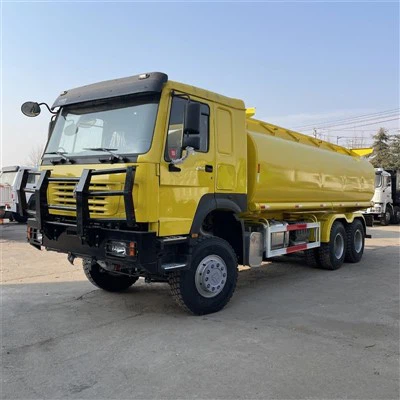
The design of diesel tank trailers may not require the same level of vapor control as gasoline trailers, but they still need to prevent leaks. Many diesel tank trailers are made of steel, which provides durability and can withstand the weight of the fuel. The trailers are also equipped with pumps and hoses for efficient loading and unloading. Some 40 KL Fuel Tank Truck Trailer models are specifically designed for diesel transportation, offering a large capacity for long - distance hauling.
Liquefied Petroleum Gas (LPG)
LPG, which includes propane and butane, is a popular fuel for heating, cooking, and some vehicles. It is stored and transported in a liquefied state under pressure. Tank trailers for LPG are designed to handle high - pressure conditions. These trailers are made of thick - walled steel to ensure the safety of the LPG during transit.
The tanks on LPG trailers are equipped with safety relief valves that will open if the pressure inside the tank exceeds a safe level. The trailers also have special insulation to prevent the LPG from vaporizing too quickly. Loading and unloading LPG tank trailers require specialized equipment and trained personnel to ensure that the process is carried out safely.
Crude Oil
Crude oil is the raw material from which gasoline, diesel, and other petroleum products are refined. Tank trailers are used to transport crude oil from oil fields to refineries or storage facilities. The transportation of crude oil presents unique challenges due to its varying composition and potential for environmental impact.
Tank trailers for crude oil are often large and heavy - duty. They are designed to handle the abrasive nature of crude oil, which may contain sand and other impurities. 42000L Oil Tanker Trailer For Sale models are suitable for transporting large volumes of crude oil. These trailers are equipped with filtration systems to prevent the clogging of valves and pumps. The construction of the trailers must also comply with strict environmental regulations to prevent spills and protect the surrounding environment.
Biofuels
Biofuels, such as biodiesel and ethanol, are becoming increasingly important as alternative fuels. Biodiesel is made from renewable resources such as vegetable oils and animal fats, while ethanol is typically produced from corn or sugarcane. Tank trailers for biofuels need to be compatible with these relatively new fuel types.


Biofuels can be more corrosive than traditional fuels, so the tanks are often made of materials that can resist corrosion, such as stainless steel or certain types of plastics. The trailers also need to be cleaned thoroughly between loads to prevent cross - contamination. The transportation of biofuels is subject to specific regulations that ensure their quality and safety during transit.
Natural Gas
Natural gas is a clean - burning fuel that is used for heating, electricity generation, and as a vehicle fuel. It can be transported in its compressed (CNG) or liquefied (LNG) form. Tank trailers for CNG are designed to handle high - pressure gas, while LNG trailers need to maintain extremely low temperatures to keep the gas in a liquid state.
CNG tank trailers are made of high - strength materials to withstand the pressure. They are equipped with pressure regulators and safety valves. LNG trailers, on the other hand, are highly insulated to minimize heat transfer and prevent the LNG from boiling off. The transportation of natural gas requires specialized training and equipment to ensure the safety of the drivers and the public.
Impact on Tank Trailer Design
The different fuel types have a significant impact on the design of tank trailers. The material of construction, the safety features, the capacity, and the loading and unloading mechanisms are all determined by the properties of the fuel being transported. For example, the corrosiveness of a fuel will dictate whether a tank should be made of steel, aluminum, or a special plastic. The volatility of a fuel will determine the need for vapor recovery systems and pressure - relief valves.
The capacity of a tank trailer is also influenced by the fuel type. For instance, fuels with lower energy density may require larger tanks to transport the same amount of energy as a more concentrated fuel. The loading and unloading processes are designed to be efficient and safe, taking into account the specific characteristics of each fuel.
Conclusion
As a tank trailer supplier, understanding the different fuel types and their requirements is crucial. We need to design and manufacture trailers that can safely and efficiently transport these fuels. Whether it's the high - pressure requirements of natural gas, the corrosiveness of biofuels, or the volatility of gasoline, each fuel type presents unique challenges that we must address.
If you are in the market for a tank trailer to transport any of these fuel types, I encourage you to contact us for more information. Our team of experts can help you select the right trailer based on your specific needs. We are committed to providing high - quality tank trailers that meet all safety and regulatory standards. Let's start a conversation about your tank trailer requirements and find the best solution for your business.
References
- American Petroleum Institute (API) standards on tank trailer design and construction.
- Department of Transportation (DOT) regulations for the transportation of hazardous materials.
- International Maritime Organization (IMO) guidelines for the transportation of fuels by sea, which also influence land - based tank trailer design in some aspects.