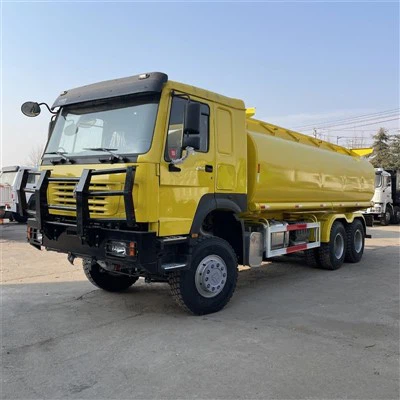
As a supplier of concrete mixer trucks, I've witnessed firsthand the many advantages these vehicles bring to the construction industry. They're essential for transporting and mixing concrete on - site, ensuring a continuous supply of fresh concrete for various projects. However, it's important to be transparent about the disadvantages as well. In this blog, I'll delve into the drawbacks of using a concrete mixer truck, which can help potential buyers make more informed decisions.
High Initial Investment
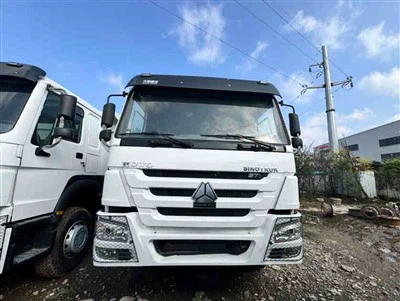
One of the most significant disadvantages of purchasing a concrete mixer truck is the high initial cost. These specialized vehicles are not cheap. The price can vary widely depending on factors such as the brand, capacity, and additional features. For instance, a high - capacity Sinotruk Howo 6x4 Concrete Truck with advanced mixing technology and a large drum can cost a substantial amount. This high upfront investment can be a major barrier for small construction companies or new entrants in the industry. They may not have the financial resources to purchase a new truck outright, and taking on debt to finance the purchase can put a strain on their cash flow.
Maintenance and Repair Costs
Concrete mixer trucks require regular maintenance to ensure they operate efficiently and safely. The mixing drum, hydraulic system, and engine are all critical components that need to be inspected and serviced frequently. The abrasive nature of concrete can cause significant wear and tear on the interior of the drum, which may need to be lined or replaced over time. Additionally, the hydraulic system that powers the rotation of the drum is complex and can be expensive to repair if it malfunctions.
The cost of spare parts for concrete mixer trucks can also be high. Since these are specialized vehicles, the parts are not as readily available as those for regular trucks. This means that sourcing parts can take longer, and the cost of shipping can add to the overall expense. For example, if a component like a hydraulic pump fails, it may need to be ordered from the manufacturer, and the downtime while waiting for the part can disrupt construction schedules.
Fuel Consumption
Concrete mixer trucks are heavy vehicles, and their large engines consume a significant amount of fuel. The continuous operation of the mixing drum also adds to the fuel consumption. The need to keep the drum rotating at a constant speed to prevent the concrete from setting requires additional power, which in turn burns more fuel. This high fuel consumption not only increases the operating costs for the owner of the truck but also has environmental implications. In an era where there is a growing emphasis on reducing carbon emissions, the high fuel consumption of concrete mixer trucks is a drawback that cannot be ignored.
Limited Maneuverability
Due to their large size and weight, concrete mixer trucks have limited maneuverability. They require a relatively large turning radius, which can be a problem on construction sites with narrow roads or tight spaces. This can make it difficult to access certain areas of a construction site, especially in urban areas where space is at a premium. For example, if a construction project is located in a densely populated neighborhood with narrow streets, it may be challenging for a concrete mixer truck to navigate to the exact location where the concrete is needed. This can lead to delays in the construction process as alternative methods of transporting the concrete may need to be considered.
Risk of Concrete Spillage
There is always a risk of concrete spillage when using a concrete mixer truck. This can occur during loading, unloading, or while the truck is in transit. Spilled concrete can cause damage to the road surface, sidewalks, and other infrastructure. It can also pose a safety hazard to pedestrians and other road users. Cleaning up spilled concrete is a time - consuming and labor - intensive process, and it may require the use of specialized equipment. Additionally, if the spillage occurs in an environmentally sensitive area, it can have serious ecological consequences.
Noise Pollution
Concrete mixer trucks generate a significant amount of noise, especially when the mixing drum is in operation. The noise can be a nuisance to people living or working in the vicinity of the construction site. In urban areas, where there are strict noise regulations, the noise generated by concrete mixer trucks can lead to complaints from residents. This can result in the construction company having to limit the operating hours of the trucks, which can further delay the project.
Dependence on Skilled Operators
Operating a concrete mixer truck requires a certain level of skill and training. The operator needs to be familiar with the controls of the truck, the mixing process, and safety procedures. A poorly trained operator can make mistakes that can lead to problems such as improper mixing of the concrete, spillage, or even accidents. Finding and hiring skilled operators can be a challenge, especially in areas where there is a shortage of qualified personnel. Training new operators also takes time and resources, which adds to the overall cost of operating the truck.
Regulatory Compliance
Concrete mixer trucks are subject to a variety of regulations, including those related to vehicle safety, emissions, and weight limits. Ensuring compliance with these regulations can be a complex and costly process. For example, trucks need to be regularly inspected to meet safety standards, and any non - compliant vehicles may be taken out of service until the issues are resolved. Additionally, emissions regulations are becoming increasingly strict, and truck owners may need to invest in expensive emission control technologies to meet these requirements.
Despite these disadvantages, concrete mixer trucks remain an indispensable part of the construction industry. At our company, we offer a range of Sinotruk Concrete Truck models that are designed to minimize these drawbacks as much as possible. Our trucks are built with high - quality materials and advanced technology to ensure reliability, fuel efficiency, and ease of maintenance.


If you're considering purchasing a concrete mixer truck, we understand that the decision is not an easy one. We're here to help you weigh the pros and cons and find the right concrete mixer for your specific needs. Our team of experts can provide you with detailed information about our products, including their features, performance, and cost - effectiveness. We're committed to providing excellent customer service and support throughout the purchasing process and beyond.
If you have any questions or would like to discuss your requirements further, please don't hesitate to reach out to us. We're looking forward to the opportunity to work with you and help you find the perfect concrete mixer truck for your construction projects.
References
- Construction Equipment Magazine: Articles on the challenges of operating concrete mixer trucks.
- Industry reports on the cost analysis of concrete mixer truck ownership.
- Government regulations related to vehicle safety and emissions for concrete mixer trucks.