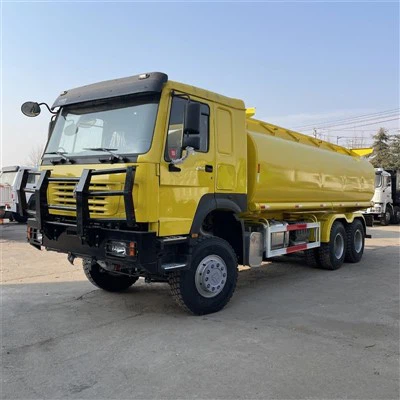
Hey there! As a supplier of pneumatic trailers, I often get asked about the dimensions of a standard pneumatic trailer. It's a pretty common question, and for good reason. Knowing the right dimensions is crucial whether you're planning to transport bulk materials like cement, flour, or other dry goods. So, let's dive right in and break down what you need to know.
First off, it's important to understand that there's no one - size - fits - all when it comes to pneumatic trailers. The dimensions can vary based on a few factors, such as the intended use, the capacity, and the regulations in different regions. But we can still talk about some general ranges that are pretty standard in the industry.
Length
The length of a pneumatic trailer typically falls between 20 to 53 feet. Shorter trailers, around 20 - 30 feet, are often used for more local or specialized deliveries. They're more maneuverable, which can be a big plus when you're dealing with tight spaces or narrow roads. For example, if you're making deliveries in a busy city center, a shorter trailer might be the way to go.
On the other hand, longer trailers, up to 53 feet, are great for long - haul transportation. They can carry larger volumes of material, which means fewer trips and potentially more cost - effective operations. A lot of our customers who are involved in large - scale construction projects or long - distance bulk material transportation prefer these longer trailers. Take a look at our 60 Ton Cement Tanker Trailer. It's a longer trailer designed to handle large quantities of cement efficiently over long distances.
Width
The standard width of a pneumatic trailer is usually around 8.5 feet. This width is in line with most transportation regulations in many countries. It allows the trailer to fit on standard roads and through tunnels without any major issues. A width of 8.5 feet also provides enough space inside the tank to store a significant amount of material while still maintaining stability on the road.
Height
The height of a pneumatic trailer can range from 12 to 14 feet. This dimension is also regulated to ensure safe passage under bridges and through other overhead structures. A lower - height trailer might be preferred in areas with low - clearance bridges or when you need to minimize the center of gravity for better stability. However, taller trailers can sometimes offer more storage capacity. Our 50 Ton Cement Trailer has a height that's carefully designed to balance storage capacity and safety on the road.
Capacity
Capacity is another important aspect that's closely related to dimensions. Pneumatic trailers can have capacities ranging from a few tons to over 60 tons. Smaller trailers, with capacities of around 5 - 10 tons, are often used for smaller jobs or in industries where the demand for the material is relatively low. These trailers are also more affordable and easier to operate.
Medium - sized trailers, with capacities between 20 - 30 tons, are a popular choice for many construction companies and local suppliers. They offer a good balance between capacity and maneuverability. Our 25 Ton Pto Cement Tanker is a great example of a medium - capacity trailer that's reliable and efficient.
Larger trailers, with capacities over 50 tons, are typically used for large - scale construction projects, mining operations, or for transporting bulk materials over long distances. These trailers require more powerful trucks to tow them and might need special permits in some areas, but they can significantly reduce the number of trips needed to transport large volumes of material.
Axle Configuration
The axle configuration of a pneumatic trailer also plays a role in determining its dimensions and performance. Trailers can have different numbers of axles, usually ranging from 2 to 5 axles. More axles can distribute the weight of the load more evenly, which is important for safety and for complying with weight regulations.
A 2 - axle trailer is relatively lightweight and can be more maneuverable. It's often used for smaller - capacity trailers. 3 - axle trailers are a common choice for medium - sized trailers, providing a good balance between weight distribution and cost. 4 - and 5 - axle trailers are used for larger, heavier - capacity trailers to ensure that the weight is properly supported and to prevent overloading of the axles.
Interior Design
The interior design of a pneumatic trailer can also affect its overall functionality. Most trailers have multiple compartments to separate different types of materials or to allow for better distribution of the load. The shape of the tank is usually cylindrical or oval, which helps to evenly distribute the pressure during the pneumatic unloading process.
The tank is also equipped with a pneumatic system that uses compressed air to unload the material. This system needs to be designed in such a way that it can efficiently transfer the material from the tank to the destination. The size and layout of the air lines, valves, and other components of the pneumatic system can vary depending on the capacity and design of the trailer.
Considerations for Customization
While there are standard dimensions for pneumatic trailers, many of our customers also request custom - built trailers. Maybe they have a specific job that requires a unique combination of dimensions, capacity, or features. For example, some customers might need a trailer with a lower height to fit under a particular bridge, or they might want a trailer with a specific number of compartments for different types of materials.
We're more than happy to work with our customers to design and build custom pneumatic trailers that meet their exact requirements. Our team of engineers and designers has the expertise to create trailers that are both functional and reliable. Whether it's a small modification or a completely custom - designed trailer, we can make it happen.
Conclusion
So, there you have it! The dimensions of a standard pneumatic trailer can vary depending on a number of factors, but in general, the length ranges from 20 to 53 feet, the width is around 8.5 feet, and the height is between 12 to 14 feet. The capacity can range from a few tons to over 60 tons, and the axle configuration can vary from 2 to 5 axles.
If you're in the market for a pneumatic trailer, whether it's a standard model or a custom - built one, we'd love to talk to you. We have a wide range of trailers to choose from, and our team can help you find the perfect trailer for your needs. Just reach out to us, and we'll start the conversation about how we can assist with your bulk material transportation requirements.


References
- Industry standards for pneumatic trailers
- Experience and knowledge from years of supplying pneumatic trailers