Operating a cargo truck fleet involves a multitude of costs that can significantly impact the bottom line of a business. As a cargo truck supplier, I've witnessed firsthand the financial intricacies that come with managing these fleets. In this blog, I'll delve into the various costs associated with operating a cargo truck fleet, providing insights that can help businesses make informed decisions.
Acquisition Costs
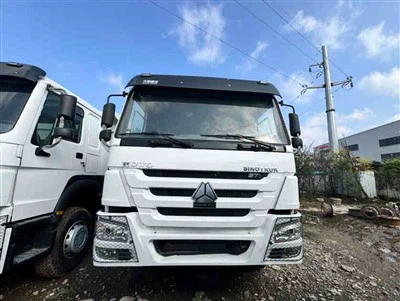
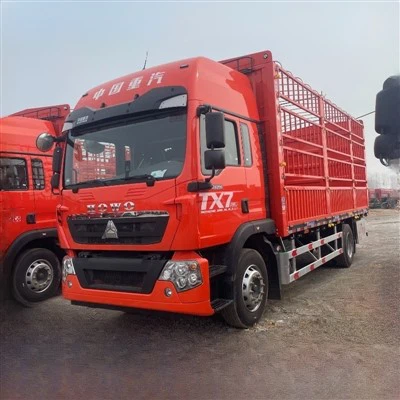
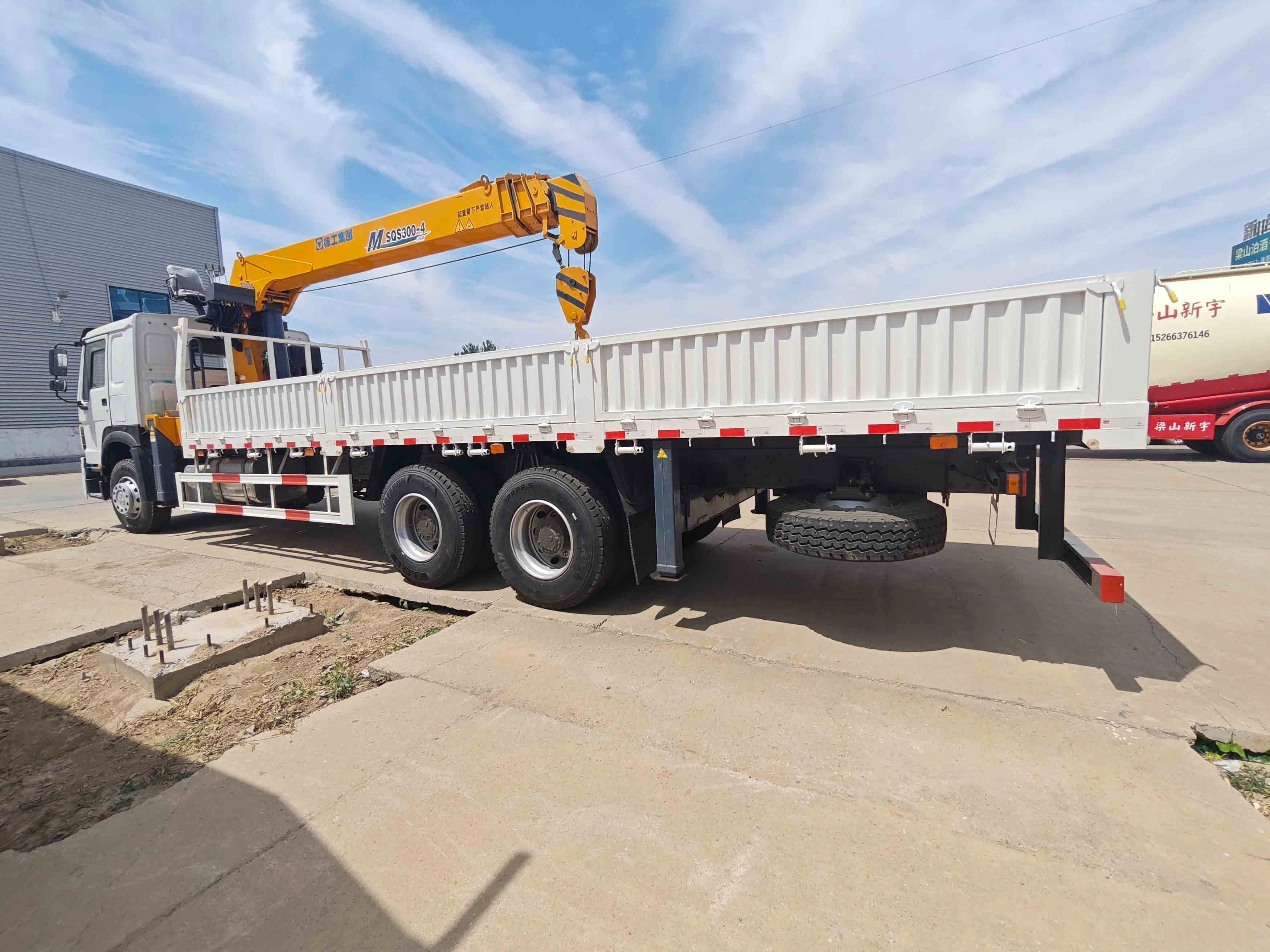
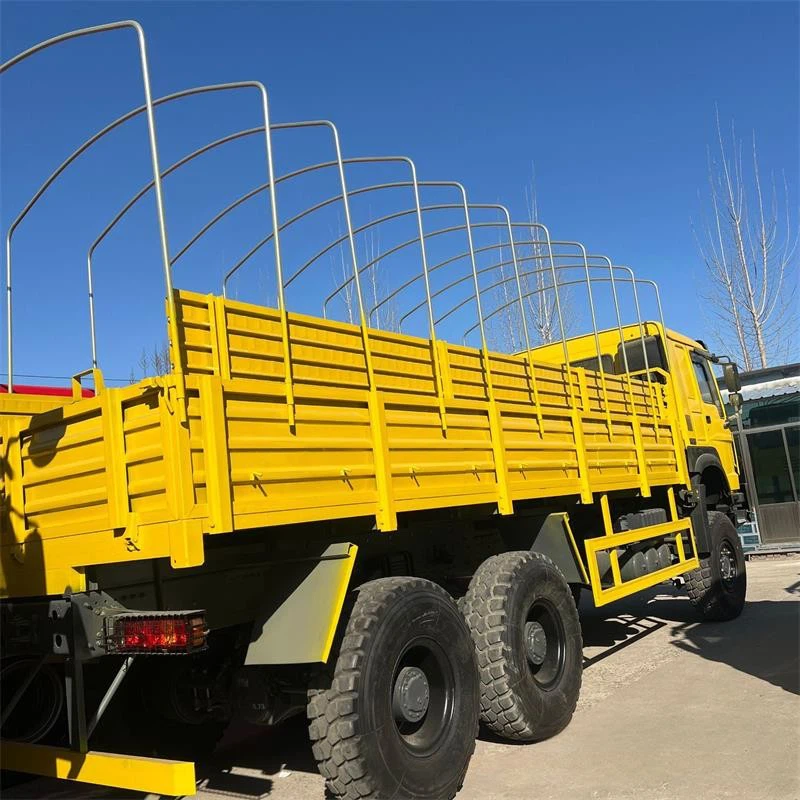
The first major cost when starting a cargo truck fleet is the acquisition of the trucks themselves. The price of a cargo truck can vary widely depending on factors such as size, capacity, brand, and features. For instance, a Howo Used 6x4 Cargo Truck offers a balance between affordability and functionality, making it a popular choice for many fleet operators. On the other hand, a Heavy Duty 8x4 Enclosed Cargo Truck HOWO Box Van Truck is designed for larger and more specialized loads, but it comes with a higher price tag.
When purchasing trucks, businesses also need to consider additional costs such as taxes, registration fees, and insurance. These costs can add up quickly, especially for larger fleets. It's important to budget for these expenses upfront to avoid any unexpected financial burdens.
Fuel Costs
Fuel is one of the most significant ongoing costs for a cargo truck fleet. The price of fuel can fluctuate significantly, and it's influenced by factors such as global oil prices, supply and demand, and government policies. Fleet operators need to closely monitor fuel prices and implement strategies to reduce fuel consumption.
One way to reduce fuel costs is to invest in more fuel-efficient trucks. Modern cargo trucks are designed with advanced technologies that can improve fuel efficiency, such as aerodynamic designs, engine management systems, and hybrid or electric powertrains. For example, the SINOTruck Cargo Truck is known for its fuel-efficient engines, which can help businesses save money on fuel in the long run.
Another strategy is to optimize routes and driving habits. By using GPS tracking systems and route planning software, fleet operators can identify the most efficient routes and avoid traffic congestion. Additionally, training drivers on fuel-efficient driving techniques, such as smooth acceleration and deceleration, can also help reduce fuel consumption.

Maintenance and Repair Costs
Regular maintenance and repair are essential to keep a cargo truck fleet in good working condition. Neglecting maintenance can lead to breakdowns, which can result in costly downtime and lost revenue. Fleet operators need to establish a comprehensive maintenance schedule and ensure that all trucks are serviced regularly.
The cost of maintenance and repair can vary depending on the age and condition of the trucks, as well as the type of maintenance required. Routine maintenance tasks, such as oil changes, tire rotations, and brake inspections, are relatively inexpensive. However, major repairs, such as engine overhauls or transmission replacements, can be very costly.
To manage maintenance and repair costs, fleet operators can consider purchasing extended warranties or maintenance contracts. These agreements can provide peace of mind and help budget for unexpected repair expenses. Additionally, establishing relationships with reliable repair shops and suppliers can also help reduce costs through volume discounts and negotiated pricing.
Insurance Costs
Insurance is another significant cost for a cargo truck fleet. Cargo trucks are involved in a high volume of road traffic and are exposed to various risks, such as accidents, theft, and damage to cargo. Fleet operators need to have adequate insurance coverage to protect their assets and liabilities.
The cost of insurance can vary depending on factors such as the size and type of the fleet, the driving records of the drivers, and the coverage limits. Fleet operators should shop around and compare quotes from different insurance providers to find the best coverage at the most competitive price. Additionally, implementing safety measures, such as driver training programs and vehicle tracking systems, can help reduce insurance premiums by demonstrating a commitment to risk management.
Labor Costs
Labor costs are a major expense for a cargo truck fleet. Fleet operators need to hire and train drivers, as well as administrative and support staff. The cost of labor can vary depending on factors such as the location, experience level, and demand for drivers.
To manage labor costs, fleet operators can consider implementing strategies such as driver retention programs, performance-based incentives, and outsourcing non-core functions. Additionally, using technology to automate administrative tasks, such as payroll processing and scheduling, can also help reduce labor costs.
Regulatory and Compliance Costs
Operating a cargo truck fleet is subject to a wide range of regulations and compliance requirements. These regulations are designed to ensure the safety of the drivers, the cargo, and the general public. Fleet operators need to stay up-to-date with the latest regulations and ensure that all trucks and drivers are in compliance.
The cost of regulatory and compliance can include fees for permits, licenses, and inspections, as well as the cost of implementing safety measures and training programs. Failure to comply with regulations can result in fines, penalties, and even the suspension or revocation of operating licenses.
To manage regulatory and compliance costs, fleet operators can establish a compliance management system and assign a dedicated staff member or team to oversee compliance. Additionally, working with industry associations and regulatory agencies can help stay informed about the latest regulations and ensure that all requirements are met.
Depreciation Costs
Depreciation is the decrease in the value of a truck over time. As trucks age and accumulate mileage, their value decreases, which can have a significant impact on the financial performance of a cargo truck fleet. Fleet operators need to account for depreciation when calculating the total cost of ownership.
The rate of depreciation can vary depending on factors such as the make and model of the truck, the usage, and the market conditions. Fleet operators can use various methods to calculate depreciation, such as the straight-line method or the declining balance method.
To manage depreciation costs, fleet operators can consider selling older trucks before they lose too much value and replacing them with newer, more fuel-efficient models. Additionally, maintaining accurate records of the trucks' usage and maintenance history can help maximize their resale value.
Conclusion
Operating a cargo truck fleet involves a wide range of costs, including acquisition, fuel, maintenance and repair, insurance, labor, regulatory and compliance, and depreciation. By understanding these costs and implementing strategies to manage them, fleet operators can improve their financial performance and ensure the long-term success of their businesses.
If you're considering starting or expanding a cargo truck fleet, I encourage you to contact us to discuss your specific needs and explore our range of high-quality cargo trucks. Our team of experts can provide you with detailed information and guidance on the costs associated with operating a fleet, as well as help you find the best trucks for your business.
References
- American Trucking Associations. (n.d.). Cost of Trucking. Retrieved from https://www.trucking.org/
- Federal Motor Carrier Safety Administration. (n.d.). Regulations and Guidance. Retrieved from https://www.fmcsa.dot.gov/
- National Private Truck Council. (n.d.). Benchmarking and Research. Retrieved from https://www.nptc.org/