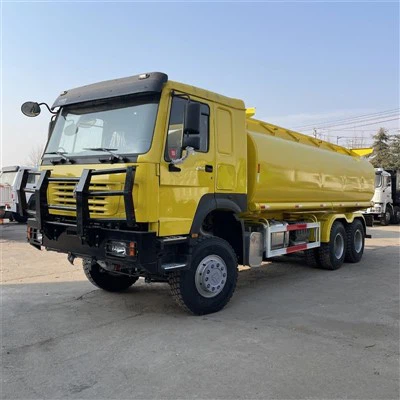
Hey there! As a supplier of pneumatic trailers, I've seen my fair share of issues that customers run into. Pneumatic trailers are super useful for transporting all kinds of dry bulk materials like cement, flour, and sand. But just like any piece of equipment, they come with their own set of common problems. Let's dive right in and take a look at what these issues are and how you can deal with them.
Air Leakage
One of the most common problems with pneumatic trailers is air leakage. The whole operation of a pneumatic trailer relies on a proper air system to move the bulk material from the trailer to the storage silo. If there are leaks in the air lines, fittings, or the tank itself, it can cause a whole host of problems.
When there's an air leakage, the pressure inside the tank drops. This means that the material might not be discharged as efficiently as it should be. You could end up with material left in the tank, which is not only a waste but can also cause blockages in the long run.
Detecting air leaks can be a bit tricky. You can start by doing a visual inspection of the air lines and fittings. Look for any signs of wear, cracks, or loose connections. Sometimes, you might even hear a hissing sound, which is a dead giveaway of an air leak. If you suspect a leak but can't find it visually, you can use a soapy water solution. Spray it on the suspected areas, and if there are bubbles forming, that's where the leak is.
Fixing air leaks usually involves replacing the damaged parts. Make sure to use high - quality replacement parts to avoid future leaks. And always double - check the connections after you've made the repairs.
Blockages
Blockages are another headache for pneumatic trailer owners. They can occur in different parts of the trailer, such as the discharge pipes, the filter, or inside the tank itself.
A blockage in the discharge pipes can prevent the material from flowing out smoothly. This could be caused by a variety of factors, like the material getting too compacted or foreign objects getting into the pipes. To prevent pipe blockages, it's important to make sure the material is within the recommended moisture and particle size range. Also, always clean the pipes regularly to avoid buildup.
The filter in a pneumatic trailer is designed to prevent dust and debris from entering the air system. However, over time, the filter can get clogged, reducing the airflow and causing problems with the material discharge. Cleaning or replacing the filter at regular intervals is crucial to keep the trailer running smoothly.
Sometimes, blockages can happen inside the tank. This might be due to the material sticking to the tank walls or forming bridges. To deal with tank blockages, you can use vibration devices or air cannons to break up the material.
Pressure Problems
Maintaining the right pressure is essential for the proper functioning of a pneumatic trailer. If the pressure is too low, the material won't discharge properly. On the other hand, if the pressure is too high, it can cause damage to the trailer's components, such as the tank, air lines, or valves.
There are several reasons why you might have pressure problems. A faulty pressure gauge can give inaccurate readings, leading you to think the pressure is okay when it's not. Also, a malfunctioning compressor can either fail to build up enough pressure or create too much pressure.
To ensure the correct pressure, regularly calibrate your pressure gauge. And have your compressor inspected and serviced by a professional on a regular basis.


Wear and Tear
Pneumatic trailers are constantly exposed to harsh conditions. The constant movement of the bulk material can cause wear and tear on the tank walls, discharge pipes, and other components.
The tank walls can get scratched or dented, which can lead to corrosion over time. Check the tank regularly for any signs of damage and repair or replace the affected parts as soon as possible.
The discharge pipes can also wear out due to the abrasive nature of the materials they transport. Using wear - resistant pipes can help extend their lifespan.
Valve Issues
Valves play a crucial role in controlling the flow of air and material in a pneumatic trailer. Malfunctioning valves can disrupt the entire operation.
A valve that won't open or close properly can cause problems with the material discharge. This could be due to a mechanical failure, such as a broken spring or a stuck valve stem.
Regular maintenance of the valves is key. Lubricate the moving parts and check for any signs of damage. If a valve is beyond repair, replace it promptly.
Now, at our place, we know these problems all too well. That's why we offer top - quality pneumatic trailers like the 4 Axle Cement Trailer and the 40 Ton Cement Semi Trailer. Our trailers are built to last and are designed to minimize these common problems. We also have a great Bulk Tank option that can meet your specific needs.
If you're in the market for a pneumatic trailer or need help with your existing one, we're here to assist. We can provide you with expert advice, high - quality products, and reliable after - sales service. Don't hesitate to reach out to us for a purchase or just to have a chat about your requirements. We're always happy to help you find the best solution for your business.
References
- Industry standards and guidelines for pneumatic trailers
- Manufacturer's manuals for pneumatic trailer components
- Personal experience and knowledge gained from years in the pneumatic trailer supply business