Loading and unloading a container on a semi - trailer is a crucial process that requires precision, safety, and proper equipment. As a container semi - trailer supplier, I've witnessed firsthand the importance of understanding these procedures to ensure efficient and safe operations. In this blog, I'll share detailed insights into how to load and unload a container on a semi - trailer.
Pre - loading Preparations
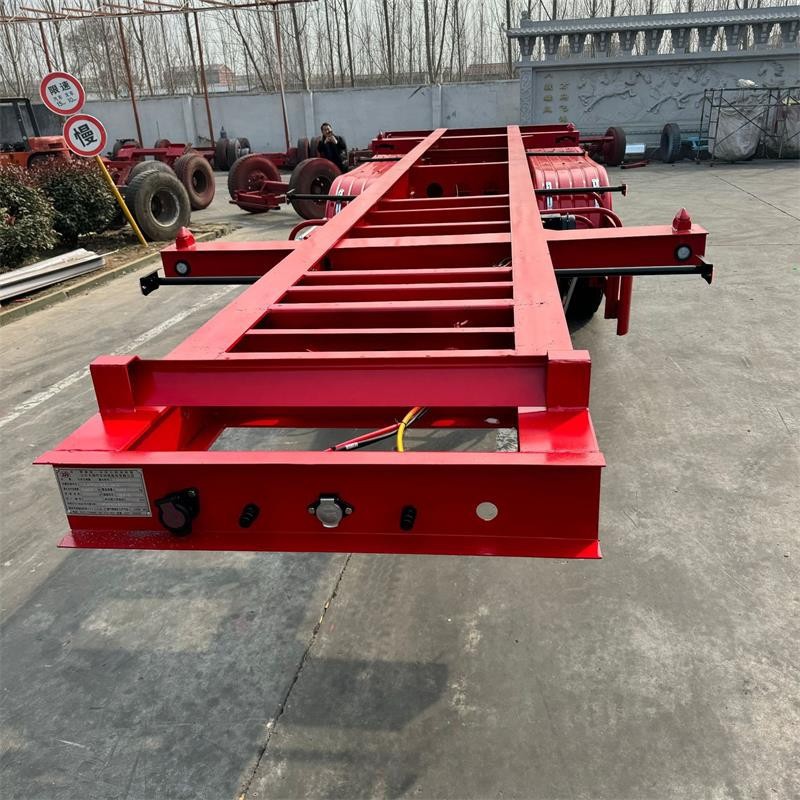
Before you start loading a container onto a semi - trailer, several preparatory steps are necessary. First, inspect the semi - trailer thoroughly. Check the structural integrity of the trailer, including the frame, axles, and suspension. Ensure that the landing gear is in good working condition and can support the weight of the container. Also, examine the trailer's locking mechanisms, which are designed to secure the container in place during transit.
Next, select the appropriate semi - trailer for the container. We offer a variety of container semi - trailers, such as the 3 Axle 20ft Container Trailer and the 3 Axle 40ft Container Trailer. Make sure the trailer's length and weight capacity match the specifications of the container.
It's also essential to prepare the container. Inspect it for any damage, such as holes, dents, or rust. Check the container's doors to ensure they open and close properly. If the container is used for transporting goods, make sure the interior is clean and free of debris.
Loading the Container
There are several methods for loading a container onto a semi - trailer, and the choice depends on the available equipment and the specific situation.
Using a Crane
One of the most common methods is using a crane. A crane provides the necessary lifting power to hoist the container onto the trailer. First, position the semi - trailer under the crane's lifting path. Ensure that the trailer is level and stable.
Attach the crane's lifting slings or spreader bars to the container's corner castings. Corner castings are specially designed attachment points on the container's corners. Make sure the slings or bars are securely fastened to prevent the container from slipping during lifting.
Slowly lift the container using the crane. Keep the container level as it is being raised. Guide the container towards the semi - trailer, aligning it with the trailer's container support structure. Lower the container gently onto the trailer until it sits firmly on the support.
Once the container is on the trailer, use the trailer's locking mechanisms to secure it. Most semi - trailers have twist locks that fit into the container's corner castings. Rotate the twist locks to lock the container in place.
Using a Forklift
In some cases, a forklift can be used to load a container onto a semi - trailer. This method is typically used for smaller containers or when a crane is not available.

Position the forklift in front of the container. Make sure the forklift's forks are the appropriate width to fit into the container's fork pockets. The fork pockets are located on the bottom of the container.
Insert the forks into the fork pockets and lift the container slightly off the ground. Move the forklift towards the semi - trailer, aligning the container with the trailer's support structure. Lower the container onto the trailer and secure it using the twist locks.
Securing the Container
Securing the container properly is crucial to prevent it from shifting or falling during transit. After the container is loaded onto the semi - trailer, double - check the twist locks to ensure they are fully engaged.
In addition to twist locks, some containers may require additional securing methods. For example, tie - down straps can be used to further secure the container to the trailer. Attach the tie - down straps to the container's corner castings and to the trailer's anchor points. Make sure the straps are tightened properly.
Unloading the Container
The unloading process is essentially the reverse of the loading process.
Using a Crane
If a crane was used for loading, it can also be used for unloading. First, position the crane over the container. Attach the lifting slings or spreader bars to the container's corner castings.
Unlock the twist locks on the semi - trailer. Slowly lift the container using the crane, keeping it level. Move the container away from the trailer and lower it to the desired location.
Using a Forklift
When using a forklift for unloading, position the forklift in front of the container. Unlock the twist locks on the trailer. Insert the forks into the container's fork pockets and lift the container slightly off the trailer. Move the forklift away from the trailer and lower the container to the ground.
Safety Considerations
Safety should always be the top priority when loading and unloading containers on a semi - trailer. Here are some safety tips:
- Use Proper Equipment: Ensure that all equipment, such as cranes, forklifts, and slings, is in good working condition and is rated for the weight of the container.
- Follow Safety Procedures: Train all personnel involved in the loading and unloading process on the proper safety procedures. This includes wearing appropriate personal protective equipment, such as hard hats, safety glasses, and steel - toed boots.
- Inspect the Work Area: Before starting the loading or unloading process, inspect the work area for any hazards, such as uneven ground, overhead obstacles, or electrical lines.
- Communicate Effectively: Establish clear communication channels between the crane operator, forklift operator, and other personnel involved in the process. Use hand signals or two - way radios to ensure everyone is on the same page.
Maintenance of Semi - Trailers
Regular maintenance of semi - trailers is essential to ensure their safe and efficient operation. As a container semi - trailer supplier, I recommend the following maintenance practices:
- Inspect the Trailer Regularly: Check the trailer's frame, axles, suspension, and locking mechanisms for any signs of wear or damage.
- Lubricate Moving Parts: Lubricate the trailer's moving parts, such as the twist locks and landing gear, to prevent rust and ensure smooth operation.
- Check the Tires: Inspect the trailer's tires for proper inflation, tread depth, and any signs of damage. Replace worn or damaged tires promptly.
Conclusion
Loading and unloading a container on a semi - trailer is a complex process that requires careful planning, proper equipment, and strict adherence to safety procedures. As a container semi - trailer supplier, we are committed to providing high - quality trailers and supporting our customers with the knowledge and resources they need to perform these operations safely and efficiently.
If you are in the market for a container semi - trailer or have any questions about loading and unloading procedures, we encourage you to contact us for a procurement discussion. Our team of experts is ready to assist you in finding the right trailer for your needs and providing you with the best solutions.
References
- American Trucking Associations. (2023). Best Practices for Container Loading and Unloading.
- International Organization for Standardization. (2022). ISO Standards for Container Transportation.