Hey there! I'm a supplier of steel trailer mudguards, and I know how important it is to keep these parts in top - notch condition. A damaged mudguard can lead to all sorts of problems, from debris flying up and hitting other vehicles to potential legal issues. So, let's dive into how you can inspect a steel trailer mudguard for damage.
Visual Inspection
The first step in inspecting a steel trailer mudguard is a good old - fashioned visual check. Start by walking around the trailer and taking a close look at the mudguards. You're looking for any obvious signs of damage like cracks, dents, or holes.


Cracks can be a real problem. Even small ones can grow over time, especially if the mudguard is constantly exposed to vibrations and road debris. Check the edges and corners of the mudguard, as these are the areas where stress is often concentrated. If you see a crack, it's important to assess how severe it is. A hairline crack might not be an immediate concern, but a large crack that runs across the mudguard could mean it needs to be replaced.
Dents are another common issue. They can be caused by impacts with rocks, other vehicles, or even improper loading of the trailer. While small dents might not affect the functionality of the mudguard, larger dents can distort the shape and reduce its effectiveness in protecting against road spray and debris. If a dent is deep enough, it could also weaken the structure of the mudguard, making it more prone to further damage.
Holes are a clear sign of trouble. They can be caused by rust, corrosion, or direct impact. Holes not only reduce the protective function of the mudguard but also allow water and debris to get behind the mudguard, which can lead to more extensive rust and corrosion. If you find a hole, it's usually a good idea to replace the mudguard, especially if it's in a critical area.
Check the Mounting Hardware
The mounting hardware is what keeps the mudguard attached to the trailer. Without it, the mudguard won't do its job. So, take a look at the bolts, nuts, and brackets that hold the mudguard in place.
Check for any signs of looseness. If a bolt or nut is loose, it can cause the mudguard to vibrate, which can lead to further damage over time. Tighten any loose hardware, but be careful not to over - tighten, as this can strip the threads or damage the mounting points.
Look for any signs of corrosion on the mounting hardware. Corrosion can weaken the bolts and nuts, making them more likely to break. If you notice significant corrosion, it might be a good idea to replace the hardware. You can find high - quality mounting hardware at most auto parts stores or from Trailer Mudguard suppliers.
Inspect the brackets for any signs of bending or damage. A bent bracket can cause the mudguard to sit at an improper angle, reducing its effectiveness. If a bracket is damaged, it should be replaced to ensure the mudguard is properly secured.
Examine the Surface for Rust and Corrosion
Rust and corrosion are the enemies of steel trailer mudguards. They can eat away at the metal, weakening the structure and reducing the lifespan of the mudguard.
Start by looking for any signs of surface rust. This appears as a reddish - brown discoloration on the surface of the mudguard. Surface rust can usually be removed with a wire brush and some rust - inhibiting paint. However, if the rust has penetrated deeper into the metal, it's a more serious problem.
Check for areas where the paint has chipped or flaked off. These areas are more prone to rust and corrosion because the protective coating is gone. If you find any chipped or flaked paint, you can touch it up with a matching paint to prevent further rusting.
Look for signs of pitting corrosion. Pitting appears as small holes or pits in the surface of the metal. It's a more advanced form of corrosion and can significantly weaken the mudguard. If you notice pitting corrosion, it's often best to replace the mudguard, as the damage is usually too severe to repair.
Test the Flexibility
A steel trailer mudguard should have a certain amount of flexibility. This allows it to absorb shocks and vibrations without cracking or breaking. To test the flexibility, gently push on the mudguard at various points.
If the mudguard feels overly rigid or brittle, it could be a sign of damage or corrosion. A brittle mudguard is more likely to crack under stress, so it's important to address this issue as soon as possible.
On the other hand, if the mudguard is too flexible and sags or moves excessively, it might not be properly supported or could be damaged. Check the mounting hardware and the structure of the mudguard to see if there are any issues that need to be fixed.
Compare with a New Mudguard
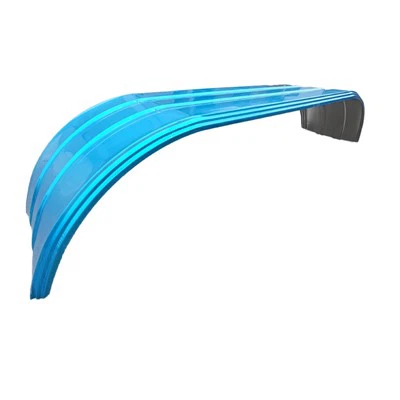
If you're unsure whether a mudguard is damaged or not, it can be helpful to compare it with a new one. You can find a variety of new mudguards, such as Heavy Duty Curved Dual - Axle Truck Fender and Aluminum Semi Trailer Mudguard on our website.
Look at the shape, size, and overall condition of the new mudguard and compare it to the one you're inspecting. This can help you identify any differences that might indicate damage. For example, if the old mudguard is significantly warped or has a different shape than the new one, it's likely damaged.
Conclusion
Inspecting a steel trailer mudguard for damage is an important part of trailer maintenance. By following these steps, you can catch any problems early and prevent them from getting worse. Remember, a damaged mudguard not only affects the safety and functionality of your trailer but can also lead to costly repairs down the road.
If you're in the market for a new steel trailer mudguard or need any advice on mudguard maintenance, don't hesitate to reach out. We're here to help you find the right solution for your trailer. Whether you need a heavy - duty curved dual - axle truck fender or an aluminum semi - trailer mudguard, we've got you covered. Contact us to start a procurement discussion and get the best mudguards for your needs.
References
- General knowledge of trailer maintenance and steel trailer mudguard inspection.
- Industry standards and best practices for trailer component inspection.