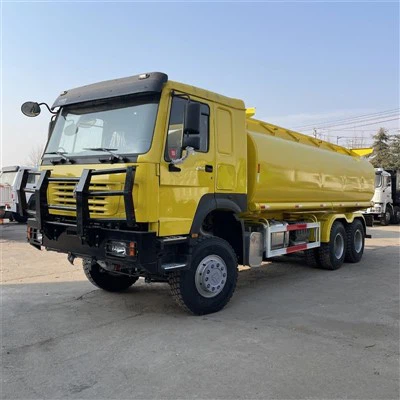
Hey there! As a supplier of concrete mixer trucks, I've seen my fair share of issues on the road, and one of the most common problems is a flat tire. It can be a real pain in the you - know - what, but with the right knowledge and approach, you can handle it like a pro. So, let's dive into how to handle a concrete mixer truck in case of a flat tire.
Step 1: Stay Calm and Assess the Situation
The moment you realize you've got a flat tire, the first thing you need to do is stay calm. Panicking won't help at all. Take a few deep breaths and focus on the road. As soon as it's safe to do so, check your mirrors to see if there's any traffic around you. Then, try to determine which tire is flat. You might feel a pull to one side, or you could hear a thumping noise. If you're lucky, you might even have a tire pressure monitoring system that tells you exactly which tire is low on air.
Step 2: Find a Safe Spot to Pull Over
Once you've assessed the situation, you need to find a safe place to pull over. Look for a flat, stable surface away from traffic. A rest area, a wide shoulder, or a parking lot are all good options. Avoid pulling over on a slope or near a curve, as this can make the situation more dangerous. Use your turn signals to indicate your intention to pull over, and make sure you give other drivers plenty of time to react.
Step 3: Set Up Warning Devices
After you've parked your concrete mixer truck, it's crucial to set up warning devices to alert other drivers. You should have a set of reflective triangles in your truck. Place one triangle about 100 feet behind your truck, another about 50 feet behind, and the third near the rear of your vehicle. This will give other drivers plenty of notice that there's a problem ahead.
Step 4: Engage the Parking Brake and Chock the Wheels
Before you start working on the flat tire, engage the parking brake to prevent your truck from rolling. Then, chock the wheels on the opposite side of the flat tire. You can use wheel chocks or even large rocks if you don't have chocks on hand. This will add an extra layer of safety while you're changing the tire.
Step 5: Gather the Necessary Tools
Now it's time to gather the tools you'll need to change the tire. You should have a jack, a lug wrench, and a spare tire on board your concrete mixer truck. Make sure the jack is rated for the weight of your truck. If you're not sure, refer to your truck's owner's manual. Also, check the spare tire to make sure it's in good condition and has the right amount of air.
Step 6: Loosen the Lug Nuts
Using the lug wrench, loosen the lug nuts on the flat tire. Don't remove them completely just yet. You'll want to loosen them enough so that they can be easily removed once the tire is off the ground. Make sure you turn the lug wrench in the correct direction (usually counter - clockwise).
Step 7: Jack Up the Truck
Place the jack under the designated jacking point for your truck. Again, refer to your owner's manual if you're not sure where this is. Slowly pump the jack to raise the truck off the ground. Keep an eye on the level of the truck and make sure it's stable. You only need to raise the truck high enough to remove the flat tire.
Step 8: Remove the Flat Tire and Install the Spare
Once the truck is raised, remove the lug nuts completely and carefully take off the flat tire. Set it aside in a safe place. Then, place the spare tire on the wheel hub and align the holes with the bolts. Put the lug nuts back on and hand - tighten them as much as you can.
Step 9: Lower the Truck and Tighten the Lug Nuts
Slowly lower the truck back to the ground using the jack. Once the tire is touching the ground, use the lug wrench to tighten the lug nuts further. Make sure you tighten them in a star pattern to ensure even pressure. Don't over - tighten the lug nuts, as this can damage the wheel.
Step 10: Check the Spare Tire Pressure and Clean Up
After you've changed the tire, check the pressure of the spare tire. It should be at the recommended level, which you can find in your owner's manual. Then, put away your tools and warning devices. Make sure you clean up any debris or tools that you left behind.
Step 11: Get the Flat Tire Repaired or Replaced
Once you've safely changed the tire, you need to get the flat tire repaired or replaced as soon as possible. Driving on a spare tire for too long can be dangerous, as spare tires are usually only meant for temporary use. You can take the flat tire to a tire shop or a mechanic to have it fixed.
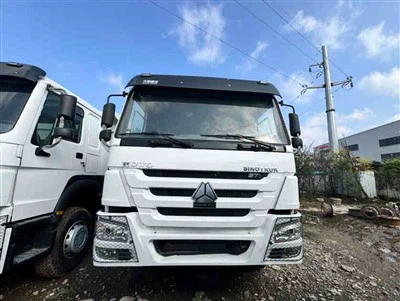
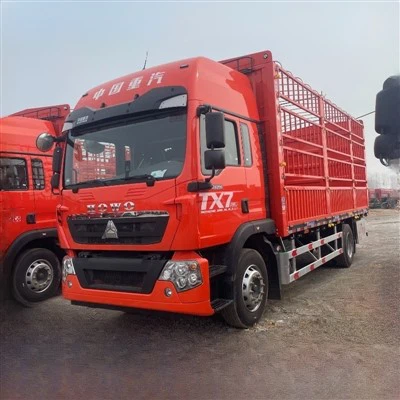
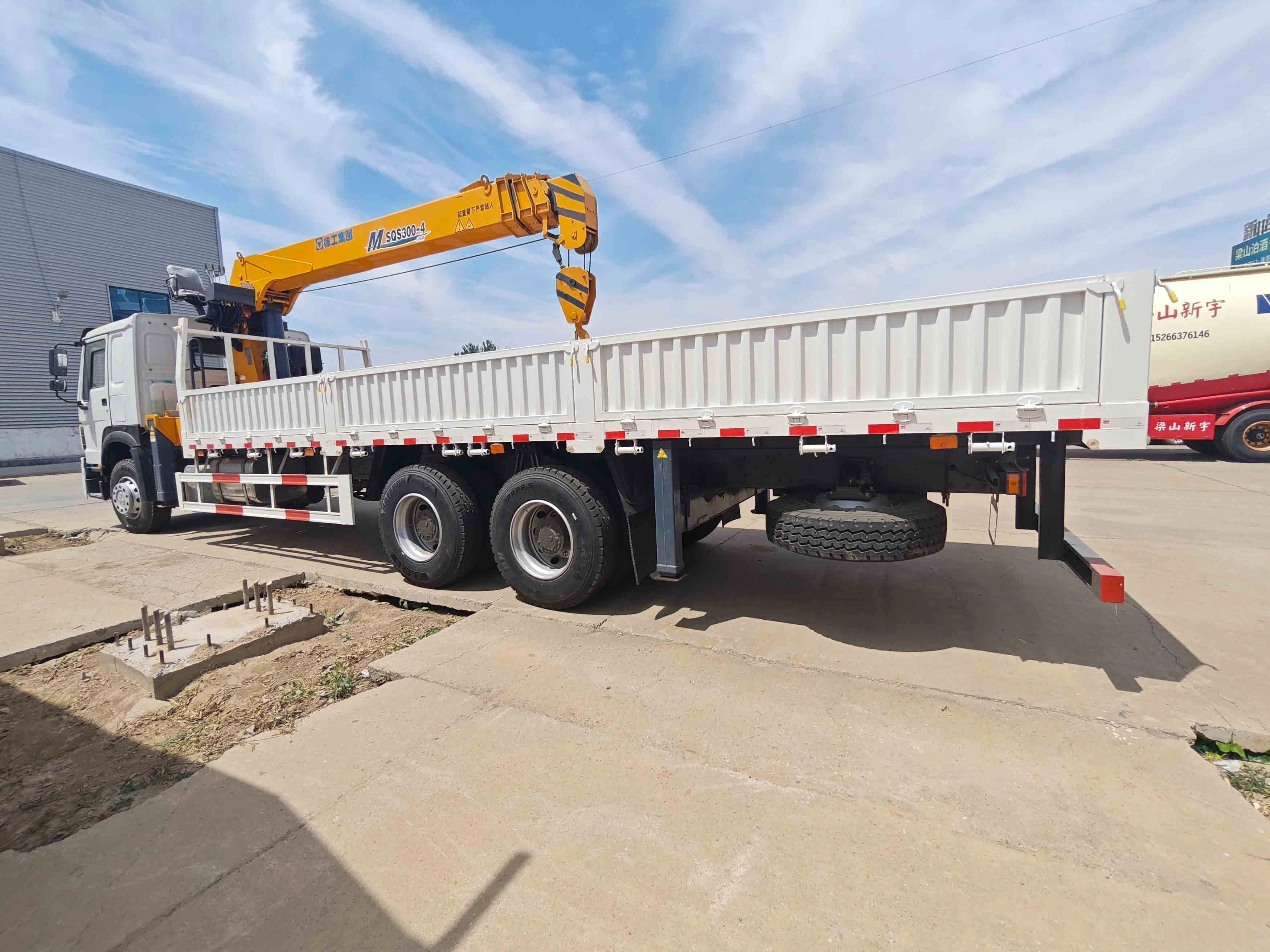
Now, if you're in the market for a new concrete mixer truck, we've got some great options for you. Check out our HOWO 10 Wheel Concrete Cement Truck, Sinotruk Howo 6x4 Cement Mixer Truck, and Sinotruk Howo 6x4 Concrete Truck. These trucks are built to last and come with all the features you need to get the job done.
If you're interested in learning more about our concrete mixer trucks or have any questions about handling flat tires, don't hesitate to reach out. We're here to help you make the right choice for your business. Whether you're a small contractor or a large construction company, we've got the perfect truck for you. So, get in touch with us today and let's start the conversation.


References
- Federal Motor Carrier Safety Administration (FMCSA) guidelines on vehicle maintenance and safety.
- Owner's manuals of various concrete mixer truck models.