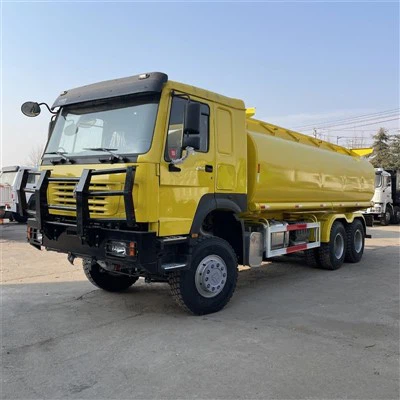
Ensuring the proper alignment of a pneumatic trailer is crucial for its efficient operation, safety, and longevity. As a pneumatic trailer supplier, I've witnessed firsthand the importance of this aspect in the transportation of bulk materials such as cement, flour, and other granular substances. In this blog, I'll share some key steps and considerations to ensure that your pneumatic trailer is properly aligned.


Understanding the Basics of Pneumatic Trailer Alignment
Before delving into the alignment process, it's essential to understand what alignment means in the context of a pneumatic trailer. Alignment refers to the proper positioning of the trailer's axles, wheels, and other components relative to each other and the towing vehicle. A well - aligned trailer ensures even tire wear, smooth handling, and efficient transfer of power from the towing vehicle to the trailer.
Pre - Alignment Inspection
- Visual Inspection
- Begin by conducting a thorough visual inspection of the trailer. Check for any signs of damage, such as bent axles, cracked frames, or loose components. Look at the tires for uneven wear patterns, which can indicate misalignment. For example, if one side of the tire is wearing more quickly than the other, it could be a sign that the axle is not properly aligned.
- Inspect the suspension system for any signs of sagging or damage. A damaged suspension can affect the alignment of the trailer and lead to poor handling.
- Measurement of Key Components
- Use a tape measure to check the distance between the wheels on each axle. The distances should be equal on both sides of the trailer. If there is a significant difference, it may indicate that the axle is bent or misaligned.
- Measure the height of the trailer at various points. Uneven height can be a sign of a problem with the suspension or alignment. Make sure that the trailer is sitting level on a flat surface during these measurements.
Alignment Tools and Equipment
- Alignment Racks
- Alignment racks are specialized equipment that can be used to accurately measure and adjust the alignment of a pneumatic trailer. These racks allow you to lift the trailer and access the axles and wheels easily. They are equipped with sensors and measuring devices that can provide precise data on the alignment of the trailer.
- Laser Alignment Systems
- Laser alignment systems are another popular tool for ensuring proper alignment. These systems use lasers to project lines onto the trailer's components, allowing you to visually check the alignment. They are relatively easy to use and can provide quick and accurate results.
Steps for Aligning a Pneumatic Trailer
- Axle Alignment
- Start by adjusting the position of the axles. If the axles are misaligned, it can cause uneven tire wear and poor handling. Use the alignment tools to measure the angle of the axles relative to the trailer's frame. Most trailers are designed to have the axles parallel to the frame.
- To adjust the axle position, loosen the bolts that hold the axle in place. Use a jack to lift the axle slightly and move it into the correct position. Once the axle is in the correct position, tighten the bolts securely.
- Wheel Alignment
- After aligning the axles, it's time to focus on the wheel alignment. Check the toe - in and toe - out of the wheels. Toe - in refers to the angle at which the front of the wheels are closer together than the rear, while toe - out is the opposite.
- Adjust the wheel alignment by turning the tie - rod ends. Turning the tie - rod end in one direction will increase the toe - in, while turning it in the other direction will increase the toe - out. Use a wheel alignment gauge to measure the toe - in or toe - out accurately.
- Suspension Adjustment
- The suspension system plays a crucial role in maintaining the alignment of the trailer. If the suspension is not properly adjusted, it can cause the trailer to sit unevenly and affect the alignment of the axles and wheels.
- Check the air pressure in the air suspension bags if your trailer is equipped with an air suspension system. Incorrect air pressure can lead to uneven suspension and misalignment. Adjust the air pressure according to the manufacturer's specifications.
- For leaf spring suspensions, check the condition of the leaf springs. If a leaf spring is broken or damaged, it should be replaced. You can also adjust the tension of the leaf springs to ensure proper alignment.
Importance of Regular Alignment Checks
- Safety
- Proper alignment is essential for the safety of the trailer and its occupants. A misaligned trailer can cause the tires to wear unevenly, which can lead to blowouts. It can also affect the handling of the trailer, making it more difficult to control, especially at high speeds or in adverse weather conditions.
- Cost Savings
- Regular alignment checks can save you money in the long run. By ensuring that the tires wear evenly, you can extend the life of the tires and reduce the frequency of tire replacements. Additionally, proper alignment can improve the fuel efficiency of the towing vehicle, as a misaligned trailer can cause additional drag.
Our Pneumatic Trailer Offerings
As a pneumatic trailer supplier, we offer a wide range of high - quality pneumatic trailers to meet your specific needs. Our trailers are designed with precision and built to last. Some of our popular models include the 60 Ton Cement Tanker Trailer, the 25 Ton Pto Cement Tanker, and the 50 Ton Cement Trailer.
Conclusion
Ensuring the proper alignment of a pneumatic trailer is a critical task that requires attention to detail and the use of the right tools and equipment. By following the steps outlined in this blog, you can ensure that your pneumatic trailer is properly aligned, which will improve its safety, performance, and longevity. If you're in the market for a new pneumatic trailer or need assistance with alignment, don't hesitate to contact us. We're here to help you find the perfect solution for your transportation needs.
References
- "Trailer Maintenance and Repair Guide" by Trailer Manufacturers Association
- "Pneumatic Systems Handbook" by Industrial Press Inc.