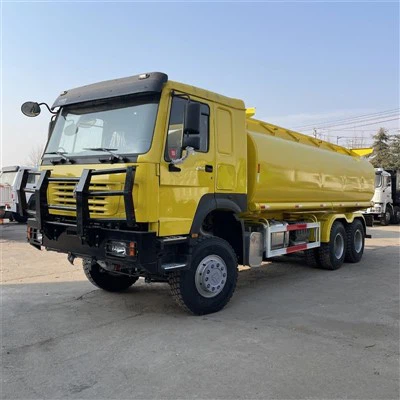
As a supplier of concrete mixer trucks, one of the most frequently asked questions I receive from our customers is about the replacement frequency of tires on these heavy - duty vehicles. Tires are a critical component of any vehicle, and for concrete mixer trucks, they play an even more vital role due to the unique operating conditions these trucks face.
Factors Affecting Tire Replacement Frequency
Load Capacity
Concrete mixer trucks are designed to carry large volumes of concrete, which can be extremely heavy. The weight of the concrete places a significant amount of stress on the tires. A standard concrete mixer can carry anywhere from 6 to 16 cubic meters of concrete. For instance, a 16 - cubic - meters concrete truck can carry up to 32 tons of concrete, depending on the density of the mixture. This heavy load causes the tires to wear out faster compared to regular trucks.
Road Conditions
These trucks often operate on construction sites where the road conditions are far from ideal. Construction sites may have rough, uneven surfaces, sharp gravel, and debris that can cause punctures, cuts, and accelerated tread wear. Additionally, concrete mixer trucks may need to travel on unpaved roads to reach remote construction sites, further increasing the wear and tear on the tires.
Driving Habits
The way the driver operates the concrete mixer truck also affects tire life. Aggressive driving, such as rapid acceleration, hard braking, and sharp turning, can cause excessive tire wear. On the other hand, a driver who is more cautious and follows proper driving techniques can extend the life of the tires.
Tire Quality
The quality of the tires themselves is a crucial factor. High - quality tires are made from better materials and are designed to withstand the heavy loads and harsh conditions associated with concrete mixer trucks. Cheaper, lower - quality tires may wear out much faster and may not provide the same level of safety and performance.
General Guidelines for Tire Replacement
Tread Depth
One of the most common ways to determine when to replace tires is by measuring the tread depth. The legal minimum tread depth for commercial vehicles in many countries is 2/32 of an inch. However, for concrete mixer trucks, it is recommended to replace the tires when the tread depth reaches 4/32 of an inch. This is because the heavy loads and rough road conditions require more tread depth to maintain traction and prevent hydroplaning.
Age of the Tires
Even if the tread depth is still sufficient, tires should be replaced based on their age. Tires start to degrade over time due to exposure to heat, oxygen, and sunlight. Most tire manufacturers recommend replacing tires every 6 - 10 years, regardless of the tread depth. For concrete mixer trucks, which are often exposed to harsh environmental conditions, it is advisable to err on the side of caution and replace the tires every 6 - 8 years.
Visual Inspection
Regular visual inspections are essential for detecting signs of tire damage. Look for cracks, bulges, cuts, and uneven wear patterns. Cracks in the sidewall can indicate that the tire is aging or has been exposed to excessive heat. Bulges may be a sign of internal damage, such as a broken belt. Uneven wear patterns can be caused by improper tire inflation, misaligned wheels, or worn suspension components. If any of these signs are present, the tire should be replaced immediately.
Case Studies
Let's take a look at a couple of case studies to illustrate the importance of proper tire replacement.
Case 1: A Construction Company in the City
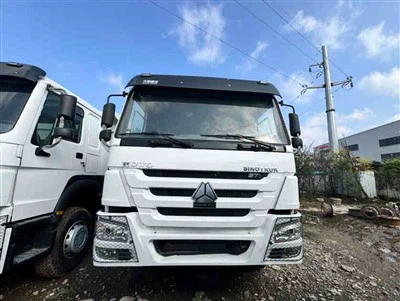
A construction company in the city had a fleet of Sinotruk Howo 6x4 Cement Mixer Truck. They initially used low - quality tires to save costs. The trucks were mainly used for short - distance deliveries within the city, but the road conditions were often congested and rough due to ongoing construction projects. After just 18 months of use, the tires showed significant wear, with tread depths reaching the legal minimum. The company experienced several flat tires and blowouts, which not only caused delays in their construction projects but also posed a safety risk to the drivers and other road users. After switching to high - quality tires and implementing a regular tire inspection and replacement schedule, they were able to extend the tire life to over 3 years.
Case 2: A Remote Construction Project
A construction project in a remote area used concrete mixer trucks to transport concrete to the site. The trucks had to travel long distances on unpaved roads with large potholes and sharp rocks. The company followed a strict tire inspection and replacement schedule based on tread depth and visual inspection. They replaced the tires every time the tread depth reached 4/32 of an inch or when any signs of damage were detected. As a result, they were able to avoid major tire - related issues and keep the project on schedule.
Importance of Regular Maintenance
In addition to timely tire replacement, regular maintenance of the concrete mixer trucks is crucial for extending tire life. This includes proper tire inflation, wheel alignment, and suspension maintenance.
Tire Inflation
Under - inflated tires can cause increased rolling resistance, which leads to higher fuel consumption and faster tire wear. Over - inflated tires, on the other hand, can cause uneven wear and reduce traction. It is important to check the tire pressure regularly, at least once a week, and maintain the recommended tire pressure as specified by the vehicle manufacturer.
Wheel Alignment
Proper wheel alignment ensures that the tires wear evenly. Misaligned wheels can cause the tires to wear on one side more than the other, reducing their lifespan. Wheel alignment should be checked at least once a year or more frequently if the truck is driven on rough roads.
Suspension Maintenance
A worn suspension system can cause the tires to bounce and vibrate, leading to uneven wear. Regular inspection and maintenance of the suspension components, such as shocks, struts, and springs, can help to ensure that the tires are in good contact with the road surface and wear evenly.
Conclusion
In conclusion, the replacement frequency of tires on a concrete mixer truck depends on several factors, including load capacity, road conditions, driving habits, and tire quality. As a general rule, tires should be replaced when the tread depth reaches 4/32 of an inch, or every 6 - 8 years, whichever comes first. Regular visual inspections are also essential for detecting signs of damage.
Proper maintenance, including tire inflation, wheel alignment, and suspension maintenance, can significantly extend the life of the tires. By following these guidelines, concrete mixer truck owners can ensure the safety and efficiency of their vehicles, reduce downtime due to tire - related issues, and save on replacement costs in the long run.
If you are in the market for a reliable concrete mixer truck or need advice on tire replacement and maintenance, we are here to help. Our team of experts can provide you with the best solutions tailored to your specific needs. Contact us today to start a discussion about your procurement requirements.


References
- "Tire Maintenance Guide for Commercial Vehicles", Tire Manufacturers Association
- "Heavy - Duty Truck Operations and Maintenance", American Trucking Associations
- "Construction Equipment Handbook", McGraw - Hill Education