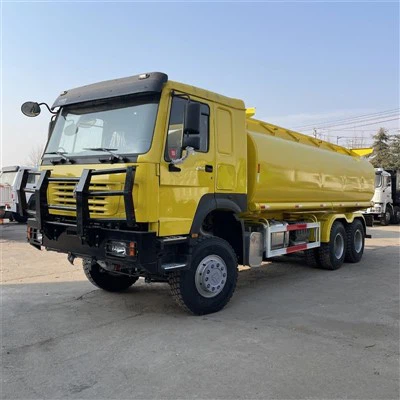
Hey there! As a supplier of trailer suspensions, I've seen firsthand how crucial the right suspension system is for a trailer. One of the most significant impacts it has is on the wear and tear of the trailer frame. In this blog, I'll break down how trailer suspension affects the trailer frame and why it's so important to choose the right one.

What is Trailer Suspension?
Before we dive into how suspension affects the trailer frame, let's quickly go over what trailer suspension is. In simple terms, a trailer suspension is a system that connects the trailer wheels to the frame. Its main job is to absorb shocks and vibrations from the road, providing a smooth ride and protecting the trailer and its contents. There are different types of trailer suspensions, including leaf spring suspensions, air suspensions, and torsion bar suspensions, each with its own set of features and benefits.
How Trailer Suspension Affects Trailer Frame Wear and Tear
Shock Absorption
One of the primary ways trailer suspension affects the trailer frame is through shock absorption. When a trailer is on the road, it encounters various bumps, potholes, and uneven surfaces. Without a proper suspension system, these shocks would be directly transferred to the trailer frame. Over time, this constant pounding can cause the frame to weaken, leading to cracks, fractures, and other structural damage.
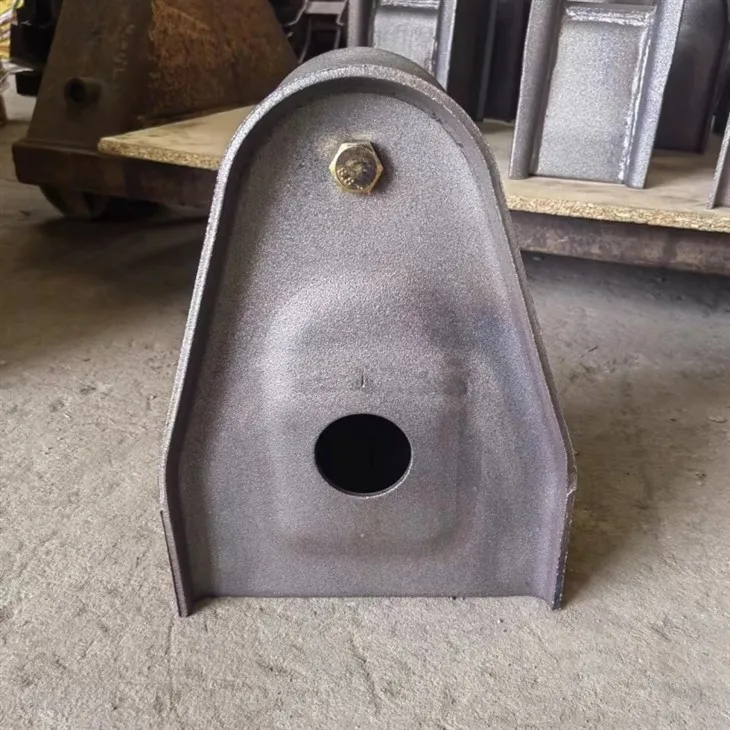
A good suspension system, like the Robust Welding Steel American Style Mechanical Suspension Set, is designed to absorb these shocks. It uses springs, dampers, and other suspension components to cushion the impact, reducing the stress on the frame. This not only extends the lifespan of the frame but also helps to maintain the integrity of the entire trailer.
Weight Distribution
Another important factor is weight distribution. When a trailer is loaded, the weight needs to be evenly distributed across the axles and the frame. An improper suspension system can cause uneven weight distribution, putting more stress on certain parts of the frame. For example, if the suspension is too stiff on one side, that side of the frame will bear more weight, leading to accelerated wear and tear.
A well-designed suspension system helps to distribute the weight evenly. It adjusts to the load and the road conditions, ensuring that each part of the frame experiences a balanced amount of stress. This is especially important for heavy loads and long-haul trailers. The Trailer Parts Bogie Suspension is a great example of a suspension system that can effectively manage weight distribution, reducing the strain on the trailer frame.
Alignment
Proper alignment is crucial for the health of the trailer frame. A misaligned suspension can cause the wheels to pull to one side, which in turn puts extra stress on the frame. This can lead to premature wear, as well as handling issues that can be dangerous on the road.
A high-quality suspension system helps to keep the wheels in proper alignment. It ensures that the axles are parallel and that the wheels are turning smoothly. This not only reduces wear and tear on the frame but also improves the overall performance and safety of the trailer.
Signs of Excessive Wear and Tear on the Trailer Frame
It's important to be aware of the signs of excessive wear and tear on the trailer frame. Some common indicators include:
- Cracks or Fractures: Visible cracks or fractures on the frame are a clear sign of structural damage. These can be caused by repeated shocks and stress from an inadequate suspension system.
- Rust and Corrosion: Rust and corrosion can weaken the frame over time. If the suspension is not properly protecting the frame from moisture and debris, it can accelerate the rusting process.
- Uneven Wear on Tires: Uneven tire wear can be a sign of misaligned wheels or improper weight distribution, which can be related to suspension issues.
- Sagging or Leaning: If the trailer appears to be sagging or leaning to one side, it could indicate a problem with the suspension or the frame.
Choosing the Right Trailer Suspension
When it comes to choosing the right trailer suspension, there are several factors to consider.
Load Capacity
The load capacity of the trailer is one of the most important factors. You need to choose a suspension system that can handle the weight of your typical loads. Overloading a suspension can cause it to fail, leading to increased wear and tear on the frame.
Road Conditions
The type of roads you'll be traveling on also matters. If you'll be on rough, unpaved roads, you'll need a more robust suspension system that can handle the extra shocks. On the other hand, if you'll be mostly on smooth highways, a lighter-duty suspension may be sufficient.
Budget
Of course, budget is always a consideration. While it's important to invest in a quality suspension system, you also need to find one that fits your budget. There are different options available at various price points, so you can find a balance between quality and cost.
Compatibility
Make sure the suspension system you choose is compatible with your trailer frame. Different trailers have different frame designs, and the suspension needs to be able to connect and work properly with the frame.
Conclusion
In conclusion, the trailer suspension plays a vital role in the wear and tear of the trailer frame. A good suspension system can significantly reduce the stress on the frame, extending its lifespan and improving the overall performance of the trailer. By choosing the right suspension, being aware of the signs of wear and tear, and performing regular maintenance, you can ensure that your trailer stays in top condition for years to come.
If you're in the market for a new trailer suspension or need advice on maintaining your current one, don't hesitate to reach out. We're here to help you find the perfect solution for your needs. Whether you're a small business owner or a large fleet operator, we have the expertise and the products to keep your trailers running smoothly. Let's start a conversation and see how we can work together to improve your trailer's performance and longevity.
References
- SAE International. (20XX). Recommended Practices for Trailer Suspension Design and Testing.
- Trailer Manufacturers Association. (20XX). Guide to Trailer Maintenance and Safety.