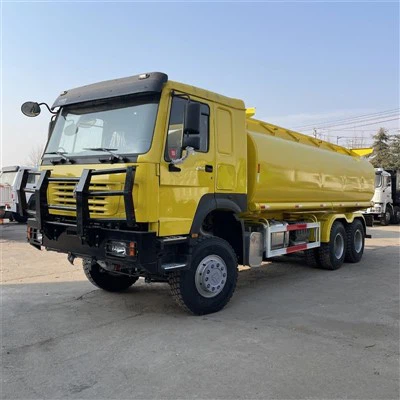
When it comes to the transportation industry, the braking distance of trailers is a critical factor that directly impacts safety on the roads. As a pneumatic trailer supplier, I've witnessed firsthand the importance of understanding how the braking distance of pneumatic trailers compares to that of regular trailers. In this blog post, I'll delve into the key factors that influence braking distance, explore the differences between pneumatic and regular trailers, and provide insights to help you make informed decisions when choosing the right trailer for your needs.
Understanding Braking Distance
Before we compare the braking distances of pneumatic and regular trailers, it's essential to understand what braking distance is and what factors affect it. Braking distance refers to the distance a vehicle travels from the moment the brakes are applied until it comes to a complete stop. Several factors can influence braking distance, including:


- Vehicle Speed: The higher the speed of the vehicle, the longer the braking distance. This is because the kinetic energy of the vehicle increases with speed, requiring more force to bring it to a stop.
- Vehicle Weight: Heavier vehicles require more force to stop than lighter vehicles. This is because the momentum of the vehicle increases with weight, making it more difficult to decelerate.
- Brake System: The efficiency of the brake system plays a crucial role in determining braking distance. A well-maintained brake system with high-quality components will provide better braking performance than a poorly maintained or outdated system.
- Road Conditions: The condition of the road surface can also affect braking distance. Wet, icy, or slippery roads reduce the friction between the tires and the road, making it more difficult to stop the vehicle.
Braking Distance of Regular Trailers
Regular trailers typically use mechanical or hydraulic brake systems to slow down and stop. Mechanical brakes rely on a series of levers and cables to transfer the force from the brake pedal to the brake shoes or pads, while hydraulic brakes use fluid pressure to activate the brakes.
The braking distance of a regular trailer depends on several factors, including the type of brake system, the weight of the trailer, and the speed at which it is traveling. In general, regular trailers have longer braking distances than pneumatic trailers due to their heavier weight and less efficient brake systems.
For example, a fully loaded regular trailer traveling at 60 miles per hour may require up to 300 feet to come to a complete stop, depending on the road conditions and the efficiency of the brake system. This is significantly longer than the braking distance of a pneumatic trailer, which can stop in as little as 200 feet under the same conditions.
Braking Distance of Pneumatic Trailers
Pneumatic trailers, also known as air brake trailers, use compressed air to activate the brakes. The air brake system consists of a compressor, air tanks, brake chambers, and valves that work together to apply the brakes when the driver presses the brake pedal.
One of the main advantages of pneumatic trailers is their shorter braking distance compared to regular trailers. This is because the air brake system provides more consistent and reliable braking performance, allowing the trailer to stop more quickly and safely.
In addition, pneumatic trailers are typically lighter than regular trailers, which reduces their momentum and makes them easier to stop. The use of compressed air also allows for more precise control of the brakes, which can further improve braking performance.
For example, a fully loaded pneumatic trailer traveling at 60 miles per hour may require only 200 feet to come to a complete stop, depending on the road conditions and the efficiency of the brake system. This is significantly shorter than the braking distance of a regular trailer, which can provide a crucial safety advantage on the roads.
Factors Affecting Braking Distance of Pneumatic Trailers
While pneumatic trailers generally have shorter braking distances than regular trailers, several factors can still affect their braking performance. These factors include:
- Air Pressure: The air pressure in the brake system is critical for proper braking performance. If the air pressure is too low, the brakes may not engage properly, resulting in longer braking distances.
- Brake Chamber Size: The size of the brake chambers determines the amount of force that can be applied to the brakes. Larger brake chambers provide more braking force, which can reduce braking distance.
- Brake Pad or Shoe Condition: The condition of the brake pads or shoes is also important for braking performance. Worn or damaged brake pads or shoes can reduce the friction between the brakes and the wheels, resulting in longer braking distances.
- Tire Condition: The condition of the tires can also affect braking performance. Worn or damaged tires have less traction, which can increase braking distance.
Choosing the Right Trailer for Your Needs
When choosing between a pneumatic trailer and a regular trailer, it's important to consider your specific needs and requirements. If you need to transport heavy loads over long distances, a pneumatic trailer may be the better choice due to its shorter braking distance and more efficient brake system.
On the other hand, if you have a smaller budget or don't need to transport heavy loads, a regular trailer may be a more cost-effective option. However, it's important to ensure that the regular trailer you choose has a reliable brake system and is properly maintained to ensure safe operation.
At our company, we offer a wide range of Tanker Trailer, 4 Axle Cement Trailer, and Bulk Tank to meet the needs of our customers. Our trailers are designed and built to the highest standards of quality and safety, and we offer a variety of features and options to customize your trailer to your specific requirements.
Conclusion
In conclusion, the braking distance of a trailer is a critical factor that directly impacts safety on the roads. While regular trailers have longer braking distances than pneumatic trailers, several factors can affect the braking performance of both types of trailers.
As a pneumatic trailer supplier, we understand the importance of providing our customers with high-quality trailers that offer reliable braking performance. If you're in the market for a new trailer, we encourage you to contact us to learn more about our products and services. Our team of experts will be happy to help you choose the right trailer for your needs and provide you with the support and guidance you need to ensure safe and efficient operation.
References
- "Braking Distance: How It Works and How to Reduce It." Federal Motor Carrier Safety Administration.
- "Air Brakes: How They Work and Why They're Important." American Trucking Associations.
- "Trailer Brakes: Types, Maintenance, and Safety." Trailer Life.