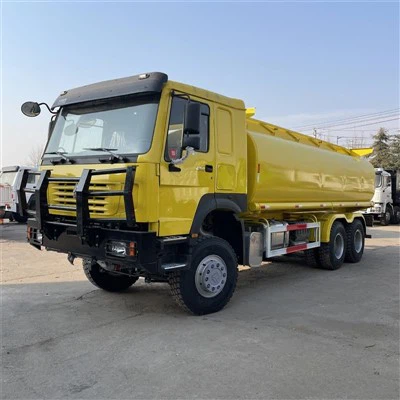
As a supplier of concrete mixer trucks, I've witnessed firsthand how the drum capacity of these vehicles can significantly impact project schedules. In this blog, I'll delve into the various aspects of how drum capacity affects construction projects, providing insights based on real - world experiences and industry knowledge.
1. Understanding the Basics of Drum Capacity
The drum capacity of a mixer truck refers to the volume of concrete that the drum can hold and transport. It is typically measured in cubic meters or cubic yards. Different projects have different requirements for concrete volume, and choosing the right drum capacity is crucial for efficient project execution.
For small - scale projects such as home renovations or small building extensions, a mixer truck with a relatively small drum capacity, say 2 - 4 cubic meters, may be sufficient. These trucks are more maneuverable and can access tight spaces easily. On the other hand, large - scale commercial construction projects, such as high - rise buildings or large bridges, often require mixer trucks with larger drum capacities, ranging from 6 to 12 cubic meters or even more.
2. Impact on Loading and Unloading Time
One of the most direct ways that drum capacity affects the project schedule is through loading and unloading times.
Loading Time
A larger drum capacity means more concrete needs to be loaded into the truck. The loading process usually involves transferring concrete from a batching plant to the mixer truck's drum. For a large - capacity drum, this process can take longer as more material needs to be pumped or dumped into the drum. However, when considering the overall amount of concrete required for a project, a larger - capacity truck may result in fewer trips to the batching plant.
For example, if a project requires 20 cubic meters of concrete, a 4 - cubic - meter mixer truck would need to make 5 trips to the batching plant for loading. In contrast, a 10 - cubic - meter mixer truck would only need 2 trips. Although the loading time per trip for the 10 - cubic - meter truck is longer, the total loading time for the project may be reduced due to the fewer number of trips.
Unloading Time
Unloading time is also affected by drum capacity. A larger drum holds more concrete, so it takes longer to unload. However, similar to the loading situation, a larger - capacity truck can unload a larger amount of concrete in one go. This can be beneficial in projects where a large volume of concrete needs to be placed quickly at a specific location. For instance, when pouring a large foundation, a large - capacity mixer truck can deliver a significant amount of concrete continuously, reducing the time between consecutive pours and ensuring a more seamless construction process.


3. Frequency of Trips and Transportation Efficiency
The drum capacity directly influences the number of trips a mixer truck needs to make between the batching plant and the construction site. As mentioned earlier, a larger - capacity truck can carry more concrete per trip, which means fewer trips are required to transport the same amount of concrete.
Fewer trips translate to less time spent on the road and less time waiting at the batching plant for loading. This not only saves time but also reduces fuel consumption and wear - and - tear on the vehicle. For example, in a project located far from the batching plant, a larger - capacity mixer truck can make a significant difference in the overall project schedule. It can transport a large amount of concrete in one long - distance trip, rather than multiple shorter trips with a smaller - capacity truck.
However, it's important to note that traffic conditions and the availability of the batching plant also play a role. If the batching plant has a long queue for loading, a smaller - capacity truck may be able to make more frequent trips and keep the concrete supply more consistent, despite the larger number of trips.
4. Site Accessibility and Maneuverability
The drum capacity of a mixer truck can also affect its ability to access the construction site. Larger - capacity trucks are generally larger in size and may have more difficulty navigating narrow roads, tight corners, or sites with limited space.
In urban construction projects where space is at a premium, a smaller - capacity mixer truck may be more suitable. It can easily access confined areas and deliver concrete precisely where it's needed. For example, in a renovation project in a busy city center, a small - capacity mixer truck can maneuver through narrow streets and alleys to reach the construction site, while a large - capacity truck may get stuck or require significant detours, causing delays in the project schedule.
On the other hand, in large - scale open - air construction sites such as industrial parks or large - scale housing developments, larger - capacity trucks can operate more freely. They can move around the site easily and deliver large volumes of concrete efficiently, without being restricted by space limitations.
5. Compatibility with Project Requirements
The drum capacity of a mixer truck must be compatible with the project's specific requirements. Different construction tasks require different amounts of concrete to be placed at different times.
For example, in a project where concrete needs to be placed in small, discrete sections, such as in the construction of small retaining walls or sidewalks, a small - capacity mixer truck is more appropriate. It can deliver the right amount of concrete for each section without wasting material. Using a large - capacity truck in such a scenario would result in over - delivery of concrete, which may need to be wasted or redistributed, causing delays and inefficiencies.
Conversely, in projects where large, continuous pours are required, such as in the construction of a large - scale floor slab or a dam, a large - capacity mixer truck is essential. It can ensure a continuous supply of concrete, preventing cold joints and ensuring the structural integrity of the concrete.
6. Our Product Offerings
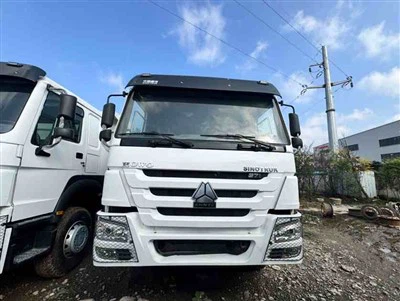
At our company, we offer a wide range of mixer trucks with different drum capacities to meet the diverse needs of construction projects. For example, the Sinotruk Howo 6x4 Cement Mixer Truck has a suitable drum capacity for medium - sized projects. It combines good maneuverability with a decent amount of concrete - carrying capacity.
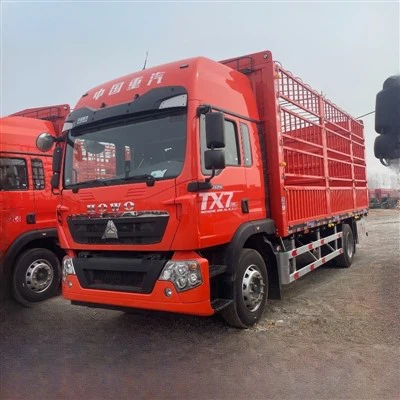
The Sinotruk Concrete Truck is another option that comes in various drum capacities, allowing customers to choose the one that best suits their project requirements. And for large - scale projects, the HOWO 10 Wheel Concrete Cement Truck offers a large drum capacity and high - performance features.
7. Conclusion and Call to Action
In conclusion, the drum capacity of a mixer truck has a profound impact on the project schedule. It affects loading and unloading times, the frequency of trips, site accessibility, and compatibility with project requirements. Choosing the right drum capacity is a critical decision that can significantly improve the efficiency and timeliness of a construction project.
If you're planning a construction project and need to select the appropriate mixer truck, we're here to help. Our team of experts can provide detailed advice based on your project's specific needs. Contact us to start a discussion about your requirements and explore our range of mixer trucks. We're committed to providing you with the best solutions to ensure the smooth progress of your project.
References
- Construction Equipment Handbook, various editions
- Industry reports on concrete mixer truck operations
- Case studies from real - world construction projects