Transporting chemicals in a tank trailer is a complex and highly regulated process that requires meticulous planning, strict safety measures, and specialized equipment. As a tank trailer supplier, I understand the intricacies involved in this critical task and am committed to providing solutions that meet the highest standards of safety and efficiency.
Understanding the Types of Chemicals
Before delving into the transportation process, it's essential to understand the diverse nature of chemicals that are commonly transported in tank trailers. Chemicals can be classified into various categories based on their physical and chemical properties, such as flammable liquids, corrosive substances, toxic gases, and oxidizers. Each type of chemical poses unique challenges and requires specific handling procedures to ensure safe transportation.
For instance, flammable liquids like gasoline, diesel, and ethanol are highly combustible and require tank trailers equipped with specialized safety features, such as flame arrestors, overfill prevention devices, and grounding systems, to prevent the risk of fire and explosion. Corrosive substances, on the other hand, can cause severe damage to the tank trailer's structure and components if not properly contained. Therefore, tank trailers used for transporting corrosive chemicals are typically made of materials that are resistant to corrosion, such as stainless steel or fiberglass-reinforced plastic (FRP).
Selecting the Right Tank Trailer
The selection of the appropriate tank trailer is crucial for the safe and efficient transportation of chemicals. When choosing a tank trailer, several factors need to be considered, including the type and volume of the chemical being transported, the transportation distance, and the regulatory requirements.
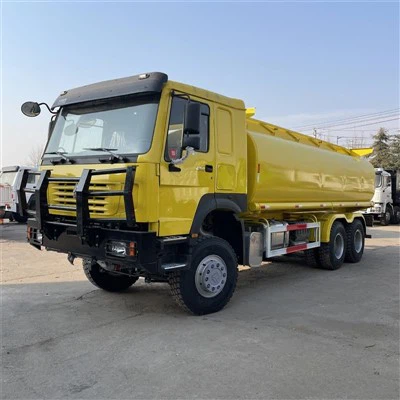
As a tank trailer supplier, we offer a wide range of tank trailers designed to meet the specific needs of different chemical transportation applications. For example, our 60000 Liters Fuel Tanker Trailer is ideal for transporting large volumes of fuel over long distances. It is equipped with advanced safety features, such as a high-capacity emergency shut-off valve and a leak detection system, to ensure the safe and reliable transportation of fuel.
Our 40 KL Fuel Tank Truck Trailer is another popular choice for transporting fuel. It is designed to be compact and maneuverable, making it suitable for use in urban areas and other locations with limited space. The trailer is also equipped with a state-of-the-art pumping system that allows for quick and efficient loading and unloading of fuel.
For transporting chemicals that require a high level of corrosion resistance, our 45000 Liters Aluminum Trailer is an excellent option. Aluminum is a lightweight and corrosion-resistant material that offers several advantages over traditional steel tank trailers, including reduced weight, increased payload capacity, and improved fuel efficiency.
Preparing the Tank Trailer for Transportation
Once the appropriate tank trailer has been selected, it is essential to prepare it for transportation. This involves several steps, including cleaning, inspection, and maintenance.
Before loading the chemical into the tank trailer, it must be thoroughly cleaned to remove any residue from previous loads. This is important to prevent contamination of the chemical and to ensure the integrity of the tank trailer's structure and components. The cleaning process typically involves using a combination of water, detergents, and specialized cleaning agents to remove any dirt, debris, or chemical residues from the tank trailer.
After cleaning, the tank trailer must be inspected to ensure that it is in good working condition. This includes checking the tank's integrity, the functionality of the valves and fittings, and the condition of the safety features. Any defects or issues identified during the inspection must be repaired before the tank trailer can be used for transportation.
In addition to cleaning and inspection, regular maintenance is also essential for the safe and efficient operation of the tank trailer. This includes tasks such as lubricating the moving parts, checking the tire pressure, and replacing any worn or damaged components. By performing regular maintenance, you can extend the lifespan of the tank trailer and reduce the risk of breakdowns and accidents.
Loading and Unloading the Chemical
The loading and unloading of chemicals into and from the tank trailer is a critical process that requires strict adherence to safety procedures. When loading the chemical, it is important to ensure that the tank trailer is properly grounded to prevent the buildup of static electricity, which can cause a spark and ignite the chemical. The loading process should also be carefully monitored to prevent overfilling, which can lead to spills and other safety hazards.
During the unloading process, it is important to use the appropriate equipment and procedures to ensure the safe and efficient transfer of the chemical from the tank trailer to the storage facility or other destination. This may involve using a pumping system, a hose, or other specialized equipment. The unloading process should also be carefully monitored to prevent spills and other safety hazards.
Transporting the Chemical
Once the chemical has been loaded into the tank trailer, it is ready for transportation. During transportation, it is important to follow all applicable traffic laws and regulations and to take all necessary precautions to ensure the safe and secure transport of the chemical.


This includes driving at a safe speed, maintaining a safe distance from other vehicles, and avoiding sudden stops and starts. It is also important to monitor the tank trailer's temperature, pressure, and other parameters to ensure that the chemical is being transported under safe conditions.
In addition to following traffic laws and regulations, it is also important to have a contingency plan in place in case of an emergency. This may include having a spill response kit on board the tank trailer, knowing the location of the nearest emergency response facilities, and having a communication plan in place to notify the appropriate authorities in case of an accident or other emergency.
Regulatory Compliance
The transportation of chemicals in a tank trailer is subject to a wide range of federal, state, and local regulations. These regulations are designed to ensure the safe and secure transport of chemicals and to protect the environment and public health.
As a tank trailer supplier, we are committed to helping our customers comply with all applicable regulations. We provide our customers with the necessary training and support to ensure that they understand the regulatory requirements and are able to operate their tank trailers in a safe and compliant manner. We also work closely with regulatory agencies to stay up-to-date on the latest regulations and to ensure that our tank trailers meet or exceed all applicable safety standards.
Conclusion
Transporting chemicals in a tank trailer is a complex and challenging task that requires careful planning, strict safety measures, and specialized equipment. As a tank trailer supplier, we are dedicated to providing our customers with the highest quality tank trailers and the support they need to ensure the safe and efficient transportation of chemicals.
If you are in the market for a tank trailer for transporting chemicals, we encourage you to contact us to learn more about our products and services. Our team of experts will work with you to understand your specific needs and to recommend the best tank trailer solution for your application. We look forward to the opportunity to serve you and to help you meet your chemical transportation needs.
References
- Department of Transportation (DOT). (2023). Hazardous Materials Regulations. Retrieved from https://www.fmcsa.dot.gov/hazmat
- Occupational Safety and Health Administration (OSHA). (2023). Hazardous Waste Operations and Emergency Response (HAZWOPER). Retrieved from https://www.osha.gov/hazwoper
- National Fire Protection Association (NFPA). (2023). NFPA 30: Flammable and Combustible Liquids Code. Retrieved from https://www.nfpa.org/codes-and-standards/all-codes-and-standards/list-of-codes-and-standards/detail?code=30