Transporting acids and alkalis in a tank trailer is a complex and highly regulated process that requires strict adherence to safety protocols and industry standards. As a tank trailer supplier, I understand the critical importance of providing reliable and safe solutions for the transportation of these hazardous substances. In this blog post, I will delve into the key aspects of transporting acids and alkalis in a tank trailer, including the selection of the right equipment, safety measures, and regulatory compliance.
Selecting the Right Tank Trailer
The first step in transporting acids and alkalis is to choose the appropriate tank trailer. The tank material is of utmost importance as it must be resistant to the corrosive nature of these substances. Stainless steel is a popular choice for transporting acids and alkalis due to its excellent corrosion resistance. It can withstand a wide range of pH levels and is suitable for most common acids and alkalis.
For more aggressive substances, such as concentrated sulfuric acid or caustic soda, specialized tank materials may be required. For example, tanks made of high - alloy stainless steel or lined with materials like rubber or fiberglass can provide additional protection against corrosion.
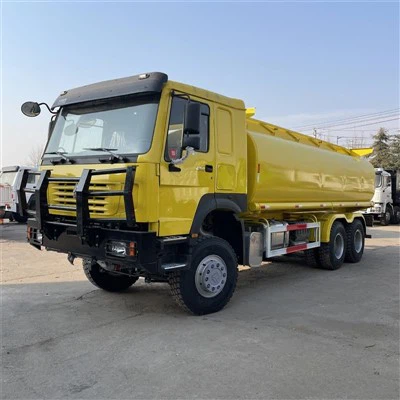
When selecting a tank trailer, consider the capacity requirements. We offer a variety of tank trailers with different capacities to meet your specific needs. For instance, our 3 Axle 40000 Liters Tanker is a great option for medium - scale transportation, while the 45000 Liters Fuel Tank Semi Trailer and 45000 Liters Palm Oil Tanker can handle larger volumes.
Design Features for Safety
Safety is the top priority when transporting acids and alkalis. Our tank trailers are designed with several safety features to prevent spills and ensure the well - being of drivers and the public.
Pressure Relief Systems
Acids and alkalis can generate pressure during transportation due to temperature changes or chemical reactions. Pressure relief valves are installed on the tanks to prevent over - pressurization. These valves are set to open at a specific pressure, allowing excess pressure to escape safely.
Emergency Shut - Off Valves
In case of an emergency, such as a leak or an accident, emergency shut - off valves can quickly stop the flow of the substance. These valves are strategically located on the tank and the piping system, allowing for easy access and operation.
Secondary Containment
Secondary containment systems are used to contain any potential spills. This can be in the form of a double - walled tank or a drip pan under the tank. The secondary containment provides an extra layer of protection, reducing the risk of environmental contamination.
Insulation
For some acids and alkalis, temperature control is crucial. Insulation can help maintain a stable temperature inside the tank, preventing the substance from overheating or freezing. This is especially important for substances that are sensitive to temperature changes.
Loading and Unloading Procedures
Proper loading and unloading procedures are essential to ensure the safety of the entire transportation process.
Pre - Loading Checks
Before loading the acid or alkali, a thorough inspection of the tank trailer must be carried out. Check for any signs of damage, corrosion, or leaks in the tank, valves, and piping. Ensure that all safety devices are in working order.
Loading Equipment
Use appropriate loading equipment, such as hoses and pumps, that are compatible with the substance being transported. The hoses should be made of materials that are resistant to the corrosive effects of the acid or alkali.
Loading Rate
Control the loading rate to prevent splashing and excessive pressure build - up. Over - filling the tank can also lead to spills, so it is important to follow the recommended filling levels.
Unloading
During unloading, follow the same safety procedures as loading. Use proper grounding to prevent static electricity from causing a fire or explosion. Ensure that the receiving container is also suitable for storing the acid or alkali.
Regulatory Compliance
Transporting acids and alkalis is subject to a wide range of regulations at both the national and international levels. These regulations are in place to protect the environment, public health, and safety.
Hazardous Materials Regulations
In most countries, the transportation of acids and alkalis is classified as the transportation of hazardous materials. This requires compliance with regulations such as the Hazardous Materials Regulations (HMR) in the United States or the European Agreement concerning the International Carriage of Dangerous Goods by Road (ADR).
Labeling and Marking
Tank trailers must be properly labeled and marked to indicate the type of substance being transported, its hazards, and emergency contact information. This helps emergency responders in case of an accident.
Training and Certification
Drivers and personnel involved in the transportation of acids and alkalis must receive specialized training. They need to be familiar with the properties of the substances, safety procedures, and emergency response protocols. Certification programs are available to ensure that the personnel are qualified to handle these hazardous materials.
Maintenance and Inspection
Regular maintenance and inspection of the tank trailer are crucial to ensure its continued safe operation.
Routine Inspections
Conduct routine inspections of the tank trailer, including visual inspections of the tank, valves, and piping. Check for any signs of wear and tear, corrosion, or damage. Inspect the safety devices, such as pressure relief valves and emergency shut - off valves, to ensure they are functioning properly.
Maintenance Schedule
Follow a regular maintenance schedule for the tank trailer. This may include tasks such as cleaning the tank, replacing worn - out parts, and repainting the exterior to prevent corrosion.
Testing
Periodically test the tank trailer for leaks, pressure integrity, and other safety parameters. Non - destructive testing methods, such as ultrasonic testing and magnetic particle testing, can be used to detect internal flaws in the tank.


Conclusion
Transporting acids and alkalis in a tank trailer is a challenging but manageable task when the right equipment, safety measures, and regulatory compliance are in place. As a tank trailer supplier, we are committed to providing high - quality tank trailers that meet the strictest safety standards.
If you are in the market for a tank trailer for transporting acids and alkalis, we invite you to contact us for more information. Our team of experts can help you select the right tank trailer for your specific needs and provide you with all the support you need for a safe and efficient transportation process. Whether you need a small - capacity tank trailer or a large - scale solution, we have the products and expertise to meet your requirements.
References
- Hazardous Materials Regulations (HMR), United States Department of Transportation.
- European Agreement concerning the International Carriage of Dangerous Goods by Road (ADR).
- Tank Trailer Manufacturers' Standards and Guidelines.