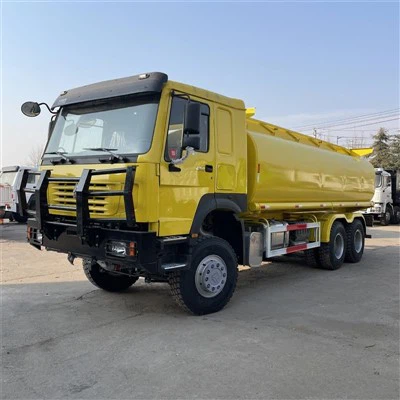
Hey there! As a tank truck supplier, I often get asked about how to calculate the fuel consumption of a tank truck. It's an important topic, especially for those who are looking to manage their operating costs or just want to understand how their vehicles are performing. So, let's dive right in and break it down.
Why Calculate Fuel Consumption?
Before we get into the nitty - gritty of the calculations, let me tell you why it's so important. Knowing the fuel consumption of your tank truck helps you budget better. You can estimate how much you'll be spending on fuel for a particular trip or over a period of time. It also gives you an idea of the truck's efficiency. If you notice a sudden increase in fuel consumption, it could be a sign that something is wrong with the vehicle, like engine problems or tire issues.
Factors Affecting Fuel Consumption
There are several factors that can affect the fuel consumption of a tank truck. The first one is the load. A fully loaded tank truck will use more fuel than an empty one. This is because the engine has to work harder to move the extra weight. The type of cargo also matters. For example, a truck carrying a dense liquid might consume more fuel compared to one carrying a lighter fluid.


The driving conditions play a huge role too. Driving on hilly terrains or in heavy traffic will make the truck use more fuel. On the other hand, driving on flat, open roads at a consistent speed is more fuel - efficient. The weather can also have an impact. Cold weather can make the engine work harder to reach its optimal operating temperature, leading to increased fuel consumption.
The truck's design and features are important as well. Trucks with more aerodynamic designs tend to use less fuel because they face less air resistance. Also, modern trucks with advanced engine technologies and fuel - saving features are generally more efficient.
Calculating Fuel Consumption
Now, let's talk about how to actually calculate the fuel consumption. There are a couple of common methods, and I'll go through them one by one.
Method 1: The Simple Fill - Up Method
This is the most straightforward way to calculate fuel consumption. First, you need to fill up the tank of your tank truck completely. Make a note of the odometer reading at this point. Then, drive your truck as you normally would until it's time to fill up again. When you fill up the tank for the second time, note down the amount of fuel you put in and the new odometer reading.
To calculate the fuel consumption, subtract the initial odometer reading from the final one. This gives you the total distance traveled. Then, divide the amount of fuel you put in (in liters or gallons) by the distance traveled (in kilometers or miles). For example, if you put in 50 gallons of fuel and traveled 250 miles, the fuel consumption would be 50/250 = 0.2 gallons per mile.
Method 2: Using On - Board Computers
Many modern tank trucks come equipped with on - board computers that can calculate fuel consumption for you. These computers use sensors to measure the amount of fuel used and the distance traveled. All you have to do is access the relevant information on the computer's display. The advantage of this method is that it's more accurate and convenient. You don't have to do any manual calculations, and the computer can provide real - time data on fuel consumption.
Examples of Tank Trucks and Their Fuel Consumption
As a tank truck supplier, I've dealt with different types of tank trucks, and each one has its own fuel consumption characteristics.
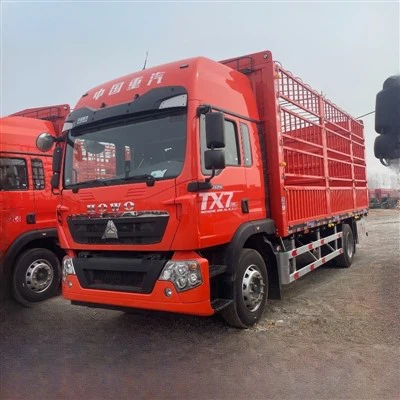
For instance, the HOWO 6x4 Water Bowser Truck Diesel Engine For Irrigation is a popular choice for irrigation purposes. This truck is designed to be relatively fuel - efficient, especially when driving on flat agricultural lands. However, when it's fully loaded with water and has to climb slopes, its fuel consumption will increase.
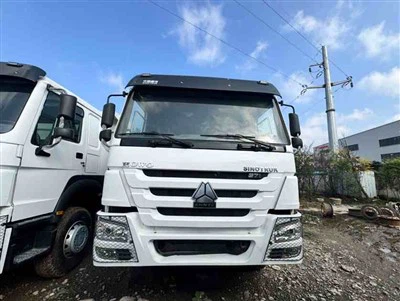
The Howo Fuel Tanker Truck is another great option. It's built with modern engine technology that helps in reducing fuel consumption. But again, factors like the load and driving conditions will affect how much fuel it actually uses.
The Sinotruk 6x4 Fuel Truck is known for its durability and performance. It has a powerful engine that can handle heavy loads, but this also means that its fuel consumption might be higher compared to some other trucks, especially when carrying a full load over long distances.
Tips to Improve Fuel Consumption
If you're looking to reduce the fuel consumption of your tank truck, here are some tips:
- Maintain Your Truck Regularly: Make sure to keep your truck in good condition. Regular oil changes, tire rotations, and engine tune - ups can improve fuel efficiency.
- Drive Smart: Avoid sudden accelerations and hard braking. Try to maintain a consistent speed and use cruise control when possible.
- Reduce Idling: Idling uses fuel without getting you anywhere. If you're going to be stopped for more than a minute or two, turn off the engine.
- Plan Your Routes: Plan your routes in advance to avoid traffic jams and hilly terrains as much as possible.
Conclusion
Calculating the fuel consumption of a tank truck is not that complicated once you know the methods. It's an important aspect of managing your tank truck operations, as it helps you control costs and keep your vehicle in good shape. Whether you're using the simple fill - up method or relying on the on - board computer, make sure to keep track of your fuel consumption regularly.
If you're in the market for a new tank truck or want to learn more about our products, don't hesitate to reach out. We have a wide range of tank trucks to suit different needs, and our team can provide you with all the information you need to make an informed decision.
References
- "Truck Fuel Efficiency: A Guide for Fleet Managers" by John Doe
- "Understanding Vehicle Fuel Consumption" published by the Department of Transportation