When it comes to the maintenance of a trailer fender, one crucial aspect that often gets overlooked is the lubrication of its moving parts. As a dedicated trailer fender supplier, I understand the significance of this task in ensuring the optimal performance and longevity of your trailer fenders. In this blog, I will guide you through the process of lubricating the moving parts of a trailer fender, if any, and provide you with valuable insights based on my experience in the industry.
Understanding the Moving Parts of a Trailer Fender
Before we delve into the lubrication process, it's essential to identify the potential moving parts in a trailer fender. While not all trailer fenders have moving components, some designs may include hinges, locks, or adjustable mechanisms. These parts are typically found in fenders that are designed to be foldable, removable, or adjustable to accommodate different trailer configurations or road conditions.
For instance, a foldable Trailer Aluminum Fender may have hinges that allow it to be folded up when not in use, reducing the overall width of the trailer. Similarly, an Aluminum Semi Trailer Fender with an adjustable height feature may have a locking mechanism that needs to be lubricated to ensure smooth operation.
Why Lubrication is Important
Lubrication plays a vital role in the proper functioning of the moving parts of a trailer fender. Here are some key reasons why you should regularly lubricate these components:
- Reduces Friction: Friction is the enemy of moving parts. It can cause wear and tear, leading to premature failure of the components. By applying a lubricant, you can reduce the friction between the moving parts, allowing them to move smoothly and freely.
- Prevents Corrosion: Trailer fenders are exposed to various environmental elements, such as moisture, dirt, and road salt. These elements can cause corrosion, which can damage the moving parts and compromise their performance. Lubrication creates a protective barrier that helps prevent corrosion and extends the lifespan of the components.
- Improves Performance: Well-lubricated moving parts operate more efficiently, which can improve the overall performance of the trailer fender. For example, a lubricated hinge will make it easier to fold or unfold the fender, while a lubricated locking mechanism will ensure a secure and reliable hold.
Choosing the Right Lubricant
Selecting the appropriate lubricant is crucial for effective lubrication. There are several types of lubricants available on the market, each with its own unique properties and applications. Here are some factors to consider when choosing a lubricant for your trailer fender:
- Compatibility: Make sure the lubricant you choose is compatible with the materials used in the moving parts of your trailer fender. For example, some lubricants may not be suitable for use on plastic or rubber components.
- Viscosity: The viscosity of the lubricant refers to its thickness. A lubricant with the right viscosity will provide adequate lubrication without being too thick or too thin. Consider the operating conditions of your trailer fender, such as temperature and load, when choosing a lubricant with the appropriate viscosity.
- Water Resistance: Since trailer fenders are exposed to moisture, it's important to choose a lubricant that is water-resistant. This will help prevent the lubricant from washing away and ensure long-lasting protection.
- Temperature Range: Consider the temperature range in which your trailer fender will operate. Some lubricants may become too thick or too thin at extreme temperatures, affecting their performance. Choose a lubricant that can withstand the temperature variations in your area.
Common types of lubricants used for trailer fender moving parts include silicone spray, lithium grease, and graphite powder. Silicone spray is a popular choice because it is water-resistant, non-staining, and provides good lubrication for a wide range of materials. Lithium grease is a thick, heavy-duty lubricant that is ideal for high-load applications. Graphite powder is a dry lubricant that is often used for components that require a clean and non-greasy lubrication.
Lubrication Process
Now that you understand the importance of lubrication and have chosen the right lubricant, it's time to learn how to lubricate the moving parts of your trailer fender. Here is a step-by-step guide:
- Clean the Moving Parts: Before applying the lubricant, it's important to clean the moving parts to remove any dirt, debris, or old lubricant. Use a clean cloth or a brush to gently wipe the parts. If necessary, you can use a mild detergent and water to clean the components. Make sure to dry the parts thoroughly before proceeding.
- Apply the Lubricant: Depending on the type of lubricant you are using, the application method may vary. For silicone spray, simply spray the lubricant directly onto the moving parts, making sure to cover all surfaces. For lithium grease, use a grease gun or a small brush to apply the grease to the parts. For graphite powder, sprinkle the powder onto the parts and then work it into the surfaces using a clean cloth or a brush.
- Work the Lubricant In: After applying the lubricant, move the moving parts back and forth several times to work the lubricant into the surfaces. This will ensure that the lubricant is evenly distributed and provides maximum lubrication.
- Wipe off Excess Lubricant: Once you have worked the lubricant in, use a clean cloth to wipe off any excess lubricant. This will prevent the lubricant from attracting dirt and debris, which can cause further problems.
- Repeat Regularly: Lubrication is not a one-time task. It's important to repeat the lubrication process regularly to ensure that the moving parts of your trailer fender continue to operate smoothly. The frequency of lubrication will depend on the usage and operating conditions of your trailer. As a general rule, it's recommended to lubricate the moving parts at least once every few months or as needed.
Special Considerations for Heavy Duty Trailers
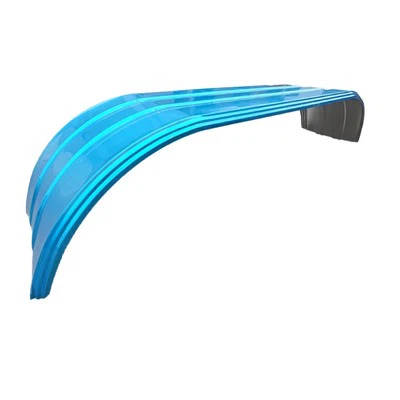
If you have a heavy-duty trailer, such as one with a Heavy Duty Curved Triple Axle Trailer Fender, you may need to take some additional precautions when lubricating the moving parts. Heavy-duty trailers are often subjected to more severe operating conditions, such as higher loads and rougher terrain. Here are some special considerations:


- Use a Heavy-Duty Lubricant: Choose a lubricant that is specifically designed for heavy-duty applications. These lubricants are typically more viscous and provide better protection against wear and tear.
- Inspect the Moving Parts Regularly: In addition to lubrication, it's important to inspect the moving parts of your heavy-duty trailer regularly for signs of wear and damage. Look for any loose or worn components, and replace them as needed.
- Follow Manufacturer's Recommendations: Always follow the manufacturer's recommendations for lubrication and maintenance. The manufacturer may provide specific instructions on the type of lubricant to use, the application method, and the frequency of lubrication.
Conclusion
Lubricating the moving parts of a trailer fender is an important part of trailer maintenance. By following the steps outlined in this blog, you can ensure that your trailer fender operates smoothly and efficiently, reducing the risk of breakdowns and extending the lifespan of the components. As a trailer fender supplier, I am committed to providing high-quality products and valuable information to help you maintain your trailer in top condition.
If you have any questions or need further assistance with trailer fender lubrication or any other trailer-related issues, please feel free to contact us. We are here to help you with all your trailer fender needs. Whether you are looking for a Trailer Aluminum Fender, an Aluminum Semi Trailer Fender, or a Heavy Duty Curved Triple Axle Trailer Fender, we have a wide range of products to meet your requirements. Contact us today to discuss your needs and explore our product offerings.
References
- Trailer Fender Maintenance Guide, Various Industry Publications
- Lubrication Basics for Automotive and Trailer Components, Lubricant Manufacturers' Resources