Installing a trailer fender on a trailer with oversized tires might seem like a daunting task, but with the right guidance and the appropriate fenders, it can be a straightforward process. As a trailer fender supplier, I've helped numerous customers navigate this process, and I'm excited to share my insights with you.
Understanding the Basics of Trailer Fenders
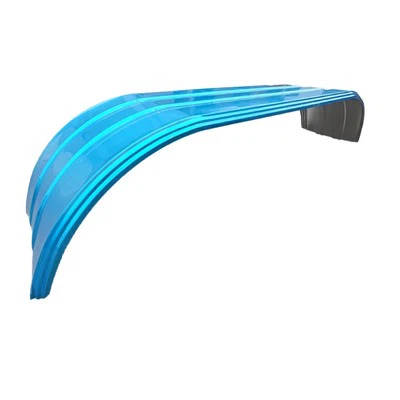
Before we dive into the installation process, it's essential to understand the different types of trailer fenders available. We offer a variety of options, including Aluminum Semi Trailer Fender and Steel Trailer Fender. Aluminum fenders are lightweight, corrosion-resistant, and offer a sleek appearance. They are ideal for trailers that are used in various weather conditions, especially in areas with high humidity or near the coast. On the other hand, steel fenders are known for their durability and strength. They can withstand heavy use and are a great choice for trailers that carry heavy loads or are used in more rugged environments. Additionally, we also have Steel Trailer Mudguard, which provides excellent protection against mud and debris.
Pre-Installation Preparations
Measuring Your Tires and Trailer
The first step in installing a trailer fender on a trailer with oversized tires is to measure your tires and trailer accurately. Measure the diameter, width, and the distance from the ground to the top of the tire. You also need to measure the space available on the trailer for the fender installation. This will help you choose the right size and style of fender that will fit your trailer and tires perfectly.
Gathering the Necessary Tools
Once you have your measurements, gather the necessary tools for the installation. You will typically need a drill, drill bits, wrenches, a tape measure, a marker, and safety equipment such as gloves and safety glasses. Make sure all your tools are in good working condition before you start the installation process.
Choosing the Right Fender
Based on your measurements and the type of trailer and tires you have, choose the appropriate fender from our wide range of products. Consider factors such as the material, size, and style of the fender. If you're unsure which fender is right for you, our customer service team is always ready to assist you.
Installation Steps
Step 1: Position the Fender
Place the fender next to the tire on the trailer. Make sure it is centered and aligned properly. Use a tape measure to ensure that the fender is at the correct height and distance from the tire. Mark the position of the fender on the trailer using a marker.
Step 2: Drill Holes
Once the fender is properly positioned, drill holes in the trailer frame according to the holes in the fender. Use the appropriate drill bit size for the screws or bolts that will be used to attach the fender. Make sure the holes are straight and evenly spaced.
Step 3: Attach the Fender
Align the holes in the fender with the holes in the trailer frame. Insert the screws or bolts through the holes and tighten them using a wrench. Make sure the fender is securely attached to the trailer frame. Check for any loose connections and tighten them if necessary.
Step 4: Check the Clearance
After attaching the fender, check the clearance between the fender and the tire. There should be at least a few inches of clearance to prevent the fender from rubbing against the tire during normal operation. If the clearance is too small, you may need to adjust the position of the fender or choose a different size fender.
Step 5: Repeat the Process
If your trailer has multiple tires, repeat the installation process for each tire. Make sure all the fenders are installed correctly and securely.
Post-Installation Checks
Inspect the Installation
Once all the fenders are installed, inspect the installation carefully. Check for any loose screws or bolts, and make sure the fenders are properly aligned. Look for any signs of damage or wear on the fenders.
Test the Trailer
Before hitting the road, test the trailer to make sure the fenders are functioning properly. Drive the trailer at a slow speed and check for any abnormal noises or vibrations. If you notice any issues, stop the trailer immediately and inspect the fenders again.


Troubleshooting Common Issues
Fender Rubbing Against the Tire
If the fender is rubbing against the tire, it could be due to incorrect installation or a wrong size fender. Check the clearance between the fender and the tire and adjust the position of the fender if necessary. If the problem persists, you may need to choose a different size fender.
Loose Fender
A loose fender can be dangerous and may cause damage to the trailer or the fender itself. Check the screws or bolts that attach the fender to the trailer frame and tighten them if they are loose. If the problem continues, you may need to replace the screws or bolts with larger or stronger ones.
Why Choose Our Trailer Fenders
As a leading trailer fender supplier, we take pride in offering high-quality products that are designed to meet the needs of our customers. Our fenders are made from premium materials and are manufactured using the latest technology to ensure durability and performance. We also offer a wide range of styles and sizes to choose from, so you can find the perfect fender for your trailer and tires.
Contact Us for Your Trailer Fender Needs
If you're interested in purchasing trailer fenders for your trailer with oversized tires, or if you have any questions about the installation process, please don't hesitate to contact us. Our knowledgeable and friendly customer service team is ready to assist you with your purchase and provide you with all the information you need. We look forward to helping you find the perfect trailer fenders for your needs.
References
- Trailer Fender Installation Guides from Industry Standards
- Manufacturer's Manuals for Trailer Fenders