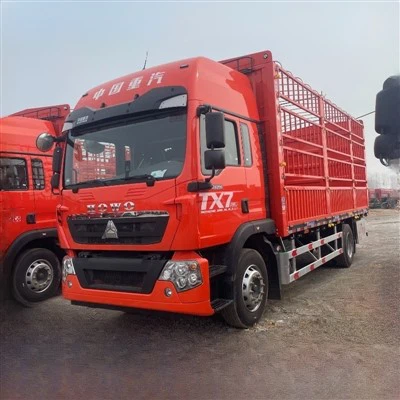
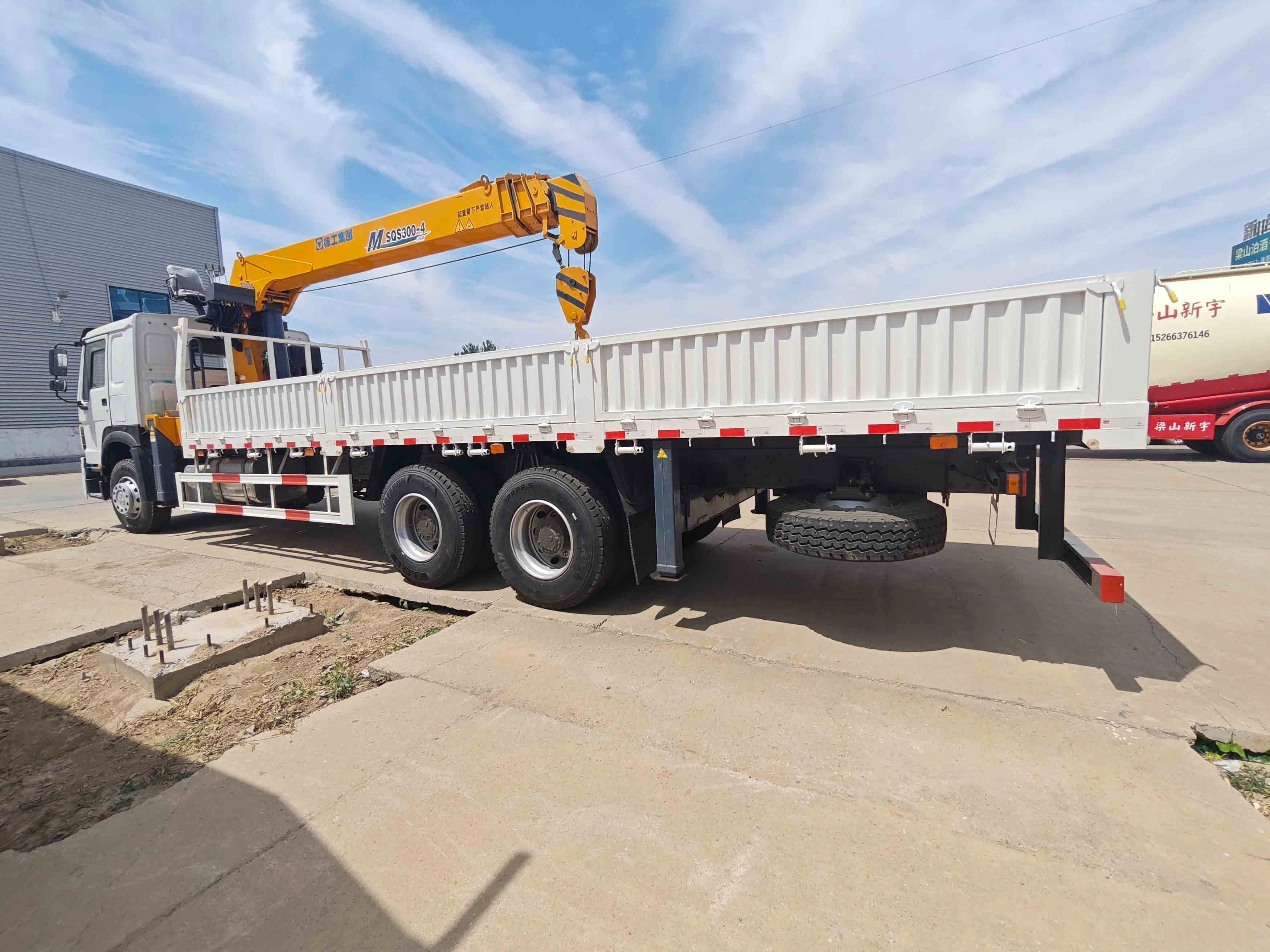
Balancing the load on a lowboy trailer is a crucial aspect of transportation, especially when dealing with heavy and oversized equipment. As a supplier of lowboy trailers, I understand the importance of ensuring that the load is evenly distributed to maintain safety, stability, and compliance with transportation regulations. In this blog post, I will share some insights and best practices on how to balance the load on a lowboy trailer effectively.
Understanding the Basics of Load Balancing
Before delving into the specific techniques of load balancing, it is essential to understand the basic principles involved. The primary goal of load balancing is to distribute the weight of the cargo evenly across the trailer's axles and wheels. This helps to prevent excessive stress on any single component, which can lead to premature wear and tear, reduced fuel efficiency, and even safety hazards.
One of the key factors to consider when balancing the load is the trailer's weight capacity. Each lowboy trailer has a maximum weight limit specified by the manufacturer, which includes the weight of the trailer itself, the cargo, and any additional equipment. It is crucial to ensure that the total weight of the load does not exceed this limit to avoid overloading the trailer and compromising its safety.


Another important consideration is the distribution of the weight along the length and width of the trailer. The ideal load distribution is one that places the center of gravity of the cargo as close as possible to the center of the trailer. This helps to maintain stability and prevent the trailer from tipping over during transit.
Preparing the Trailer for Loading
Before loading the cargo onto the lowboy trailer, it is important to prepare the trailer properly. This includes inspecting the trailer for any signs of damage or wear, checking the tire pressure, and ensuring that all the safety features, such as brakes and lights, are in working order.
It is also a good idea to clean the trailer deck to remove any debris or obstacles that could interfere with the loading process. This will help to ensure that the cargo is loaded smoothly and securely.
Loading the Cargo
When loading the cargo onto the lowboy trailer, it is important to follow a systematic approach to ensure that the load is balanced properly. Here are some steps to follow:
- Determine the Weight and Dimensions of the Cargo: Before loading the cargo, it is important to know its weight and dimensions. This will help you to determine the best way to distribute the load on the trailer.
- Position the Cargo on the Trailer: Start by positioning the heaviest part of the cargo near the center of the trailer. This will help to keep the center of gravity of the load as close as possible to the center of the trailer.
- Distribute the Weight Evenly: Once the heaviest part of the cargo is in place, distribute the remaining weight evenly across the trailer. This can be done by moving the cargo around or by using additional support structures, such as blocking and bracing.
- Secure the Cargo: After the cargo is loaded and balanced, it is important to secure it properly to prevent it from shifting during transit. This can be done by using straps, chains, or other tie-down devices.
Using Load Balancing Tools
In addition to following the above steps, there are several load balancing tools that can be used to help ensure that the load is balanced properly. These tools include:
- Load Cells: Load cells are sensors that can be installed on the trailer's axles to measure the weight distribution of the load. This information can be used to adjust the position of the cargo to achieve a more even distribution of weight.
- Leveling Jacks: Leveling jacks can be used to adjust the height of the trailer to ensure that it is level. This helps to prevent the cargo from shifting during transit and ensures that the weight is distributed evenly across the axles.
- Weight Distribution Hitches: Weight distribution hitches are devices that can be used to transfer some of the weight from the rear of the trailer to the front of the towing vehicle. This helps to improve the stability of the towing vehicle and the trailer and reduces the risk of swaying.
Maintaining the Load Balance During Transit
Once the cargo is loaded and balanced on the lowboy trailer, it is important to maintain the load balance during transit. This can be done by following these tips:
- Drive at a Safe Speed: Driving at a safe speed is essential to maintain the stability of the trailer and prevent the cargo from shifting. Avoid sudden stops, starts, and turns, and maintain a consistent speed.
- Avoid Rough Roads: Rough roads can cause the trailer to bounce and vibrate, which can lead to the cargo shifting. Whenever possible, avoid rough roads and choose smoother routes.
- Check the Load Regularly: It is a good idea to check the load regularly during transit to ensure that it is still balanced and secure. If you notice any signs of shifting or instability, stop the vehicle immediately and adjust the load as necessary.
Conclusion
Balancing the load on a lowboy trailer is a critical aspect of transportation that requires careful planning and attention to detail. By following the tips and techniques outlined in this blog post, you can ensure that your cargo is loaded and transported safely and efficiently.
As a supplier of lowboy trailers, we offer a wide range of trailers to meet your specific needs, including 4 Axle low bed trailer, Folding Neck Lowboy Trailers, and 3 Axle Lowboy Semi Trailer. Our trailers are designed to provide maximum stability and safety, and we can help you choose the right trailer for your application.
If you have any questions or need further information about load balancing or our lowboy trailers, please do not hesitate to contact us. We are here to help you with all your transportation needs.
References
- Federal Motor Carrier Safety Administration. (n.d.). Cargo Securement Rules. Retrieved from https://www.fmcsa.dot.gov/regulations/cargo-securement
- National Highway Traffic Safety Administration. (n.d.). Trailer Towing Safety. Retrieved from https://www.nhtsa.gov/road-safety/trailer-towing-safety
- Trailer Life. (n.d.). How to Balance a Load on a Trailer. Retrieved from https://www.trailerlife.com/how-to-balance-a-load-on-a-trailer/