How are tank trucks used in the waste management industry?
In the waste management industry, tank trucks play a pivotal role in ensuring the efficient and safe handling of various types of waste materials. As a tank truck supplier, I have witnessed firsthand how these specialized vehicles contribute to the smooth operation of waste management processes.
One of the primary uses of tank trucks in waste management is the collection and transportation of liquid waste. This includes sewage, industrial wastewater, and oily waste. Tank trucks are equipped with large, sealed tanks that can hold significant volumes of liquid waste. The tanks are designed to prevent leaks and spills, which is crucial for protecting the environment and public health.
For sewage collection, tank trucks are often used in areas where there is no centralized sewer system. These trucks are dispatched to collect sewage from septic tanks and transport it to treatment facilities. The process involves using a vacuum pump to suck the sewage into the tank. Once the tank is full, the truck drives to the treatment plant, where the waste is emptied and processed. This method of sewage collection is not only efficient but also helps to prevent the spread of diseases and contamination of water sources.
Industrial wastewater is another type of liquid waste that tank trucks handle. Many industries generate large amounts of wastewater that contains harmful chemicals and pollutants. Tank trucks are used to collect this wastewater from industrial sites and transport it to specialized treatment facilities. Before transportation, the wastewater may need to be pre - treated to reduce the concentration of pollutants. Tank trucks are designed to handle different types of industrial wastewater, including acidic, alkaline, and oily waste. For example, some tank trucks are equipped with special coatings inside the tank to resist corrosion from acidic or alkaline substances.
Oily waste, such as used oil from vehicles and industrial machinery, also requires proper management. Tank trucks are used to collect this oily waste from garages, workshops, and industrial plants. The collected oily waste can then be recycled or disposed of in an environmentally friendly manner. Recycling used oil helps to conserve natural resources and reduce the environmental impact of oil production.
In addition to liquid waste, tank trucks are also used in the transportation of hazardous waste. Hazardous waste includes substances such as radioactive materials, chemical solvents, and pesticides. These materials pose a significant risk to human health and the environment if not handled properly. Tank trucks used for hazardous waste transportation are subject to strict regulations and safety standards. They are equipped with advanced safety features, such as double - walled tanks, leak detection systems, and emergency shut - off valves.
The design of tank trucks for hazardous waste transportation is highly specialized. The tanks are made of high - strength materials that can withstand the pressure and corrosive effects of hazardous substances. For example, some tanks are made of stainless steel or reinforced fiberglass. The trucks also have special markings and labels to indicate the type of hazardous waste they are carrying. This helps emergency responders to take appropriate action in case of an accident.
Tank trucks are also involved in the waste treatment process. Some treatment facilities use tank trucks to transport chemicals and additives that are used in the treatment of waste. For example, in a wastewater treatment plant, tank trucks may be used to deliver chemicals such as coagulants and flocculants. These chemicals help to separate solids from the wastewater and improve the treatment efficiency.
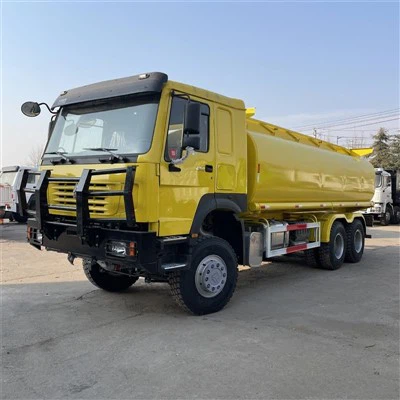
When it comes to choosing the right tank truck for waste management, there are several factors to consider. Capacity is an important factor. The size of the tank should be determined based on the volume of waste that needs to be collected or transported. For large - scale waste management operations, trucks with larger tank capacities, such as the Sinotruk 8x4 fuel transfer tank, may be more suitable. This type of truck can carry a significant amount of waste in a single trip, reducing the number of trips required and improving overall efficiency.
The type of waste also affects the choice of tank truck. As mentioned earlier, different types of waste require different tank designs and materials. For example, if you are dealing with acidic waste, you need a tank truck with a corrosion - resistant tank. The 6x4 tanker truck can be a good option for transporting certain types of waste, depending on its specific design and features.
Another important consideration is the vehicle's maneuverability. In some waste management scenarios, such as collecting waste in narrow streets or industrial areas with limited space, a more maneuverable tank truck is needed. Some tank trucks are designed with a shorter wheelbase and better turning radius to navigate through tight spaces easily.


In addition to waste management, tank trucks have other applications. For example, the HOWO 6x4 Water Bowser Truck Diesel Engine For Irrigation can be used for irrigation purposes. This type of truck is equipped with a large water tank and a pumping system, which can be used to deliver water to agricultural fields or construction sites.
As a tank truck supplier, we understand the diverse needs of the waste management industry. We offer a wide range of tank trucks that are designed to meet different requirements. Our tank trucks are built with high - quality materials and advanced technology to ensure reliability, safety, and efficiency. Whether you are a small - scale waste management company or a large industrial enterprise, we can provide you with the right tank truck solution.
If you are in the waste management industry and are looking for a reliable tank truck supplier, we invite you to contact us for a detailed discussion. We can help you choose the most suitable tank truck for your specific needs and provide you with comprehensive after - sales service. Our team of experts is ready to assist you in making the best decision for your waste management operations.
References
- Waste Management Handbook, Third Edition, edited by Daniel Reinhart
- Hazardous Waste Management Regulations, Environmental Protection Agency
- Tank Truck Design and Safety Standards, National Fire Protection Association