Can a Howo Fuel Tanker Truck be used for transporting liquid chemicals other than fuel?
As a supplier of Howo fuel tanker trucks, I often encounter inquiries from customers regarding the versatility of these vehicles. One common question is whether a Howo fuel tanker truck can be used for transporting liquid chemicals other than fuel. In this blog post, I will delve into this topic, exploring the technical aspects, safety considerations, and regulatory requirements associated with using a Howo fuel tanker truck for non - fuel liquid chemical transportation.
Technical Feasibility
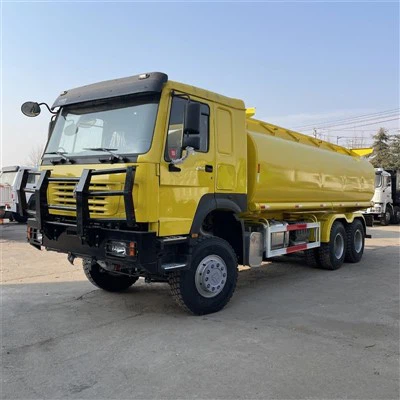
Howo fuel tanker trucks are designed with specific features to handle fuel transportation. They typically have a tank made of materials such as carbon steel or aluminum, which are suitable for storing fuels like gasoline, diesel, and kerosene. The tanks are equipped with pumps, valves, and hoses that are calibrated and designed for the properties of fuels, such as their viscosity, volatility, and flammability.
When it comes to transporting liquid chemicals, the first consideration is the compatibility of the tank material with the chemical. Different chemicals have different chemical properties, such as acidity, alkalinity, and reactivity. For example, some strong acids can corrode carbon steel tanks, while certain solvents may dissolve or swell rubber seals and gaskets in the pumping and piping systems.
However, if the chemical is compatible with the tank material and the components of the tanker truck, in theory, it is possible to use a Howo fuel tanker truck for its transportation. For instance, some non - corrosive and non - reactive liquid chemicals like certain types of lubricants or mild aqueous solutions may be safely transported in a Howo fuel tanker truck with appropriate cleaning and inspection.
Safety Considerations
Safety is of utmost importance when transporting any type of liquid, especially liquid chemicals. Fuel tanker trucks are designed with safety features to prevent spills, leaks, and fires during fuel transportation. These features include overfill prevention devices, grounding systems, and emergency shut - off valves.


When transporting liquid chemicals, additional safety measures may be required. Some chemicals are highly toxic, flammable, or reactive. For example, transporting highly flammable chemicals requires more stringent fire - prevention measures than transporting regular fuels. The tanker truck may need to be equipped with explosion - proof electrical systems, and the driver should be trained in handling the specific chemical hazards.
Moreover, the risk of cross - contamination is a significant concern. If the tanker truck has previously been used to transport fuel and is then used to transport a liquid chemical, there may be residues of the fuel left in the tank, pipes, and valves. These residues can react with the chemical, leading to safety hazards or product quality issues. Therefore, thorough cleaning and decontamination procedures must be followed before using the tanker truck for a different type of liquid.
Regulatory Requirements
Transporting liquid chemicals is subject to strict regulatory requirements at both national and international levels. These regulations are in place to ensure the safety of the public, the environment, and the transportation workers.
In many countries, fuel tanker trucks are registered and approved for fuel transportation only. Using a fuel tanker truck to transport liquid chemicals may require re - registration and compliance with additional regulations. For example, the tanker truck may need to be inspected and certified by relevant authorities to ensure that it meets the safety standards for transporting the specific chemical.
The driver of the tanker truck must also have the appropriate training and certification to handle the transportation of liquid chemicals. This includes knowledge of the chemical's properties, emergency response procedures, and proper handling techniques.
Case Studies and Examples
Let's take a look at some real - world examples. Suppose a company has a Howo 6x4 tanker truck that is currently used for transporting gasoline. They want to start transporting a non - corrosive and non - flammable liquid chemical, such as a water - based cleaning solution.
First, they need to conduct a compatibility test between the tank material and the cleaning solution. If the test shows that there is no significant corrosion or reaction, the next step is to clean the tanker truck thoroughly. This may involve multiple rinsing cycles with appropriate solvents or cleaning agents, followed by a final rinse with water.
After cleaning, the tanker truck should be inspected to ensure that there are no residues left. Once the inspection is passed, the company may need to apply for the necessary permits and approvals from the regulatory authorities. The driver should also receive training on handling the cleaning solution, including spill response and safety procedures.
Conclusion
In conclusion, while it is technically possible to use a Howo fuel tanker truck for transporting some liquid chemicals other than fuel, it is a complex process that requires careful consideration of technical feasibility, safety, and regulatory requirements.
If you are interested in using a Howo fuel tanker truck for transporting liquid chemicals, it is crucial to consult with experts in the field, including chemical engineers, safety professionals, and regulatory authorities. At our company, we have a team of experienced professionals who can provide you with detailed information and guidance on this matter.
We offer a range of Sinotruk 6x4 Fuel Truck and 6x4 Fuel Delivery Truck models. If you have any questions or are interested in purchasing a tanker truck for your specific transportation needs, please feel free to contact us. We are more than happy to discuss your requirements and provide you with the best solutions.
References
- "Transportation of Hazardous Materials Regulations Handbook" by the U.S. Department of Transportation.
- "Chemical Compatibility Guide" by various chemical manufacturers.
- Industry standards and guidelines for tanker truck design and operation.