


Are Electric Heavy-Duty Trucks Set to Take Off? DAF Launches XG+ Electric
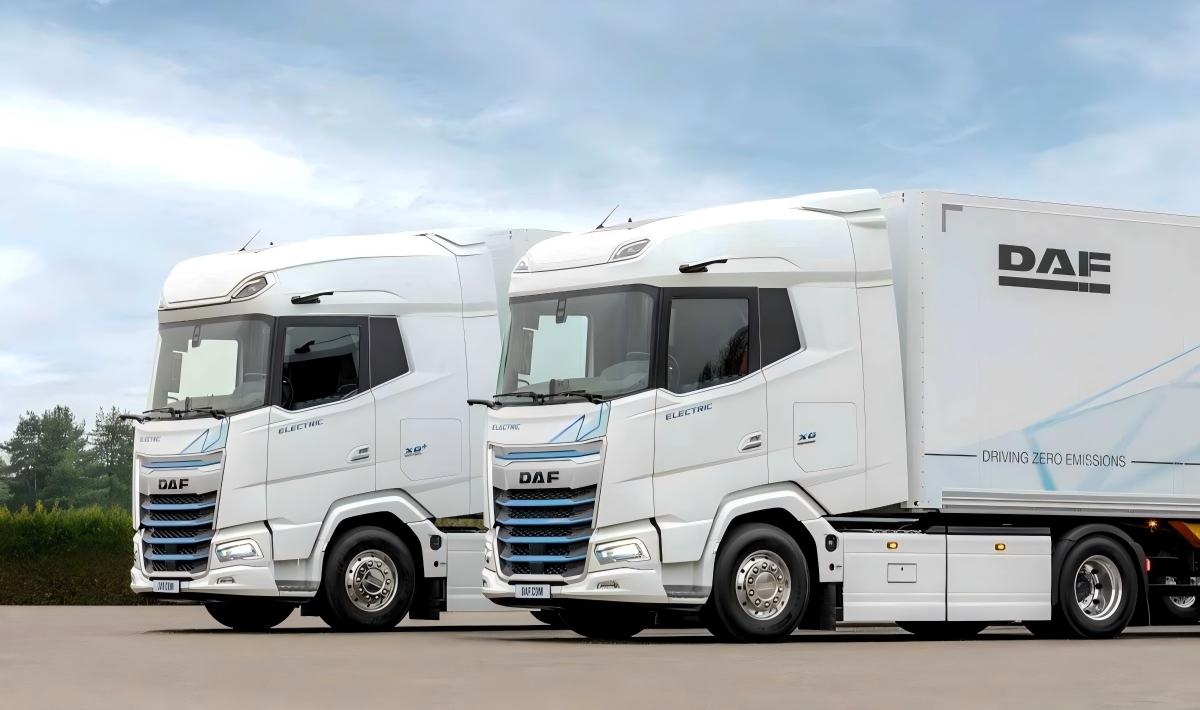
Europe's commercial vehicle market has long been a global bellwether for technological progress and product innovation. Recently, DAF, the established European truck manufacturer, announced two new additions to its electric truck portfolio - the XG Electric and XG+ Electric - have made their official debut. The new trucks not only deliver an upgraded range of 500 kilometers, but also feature the XG/XG+ series cab, known as "Europe's largest truck cabin", clearly positioning themselves for long-haul trunk logistics. What insights can this new model bring us? Let's take an in-depth look.

Built for Long-Haul Electrification
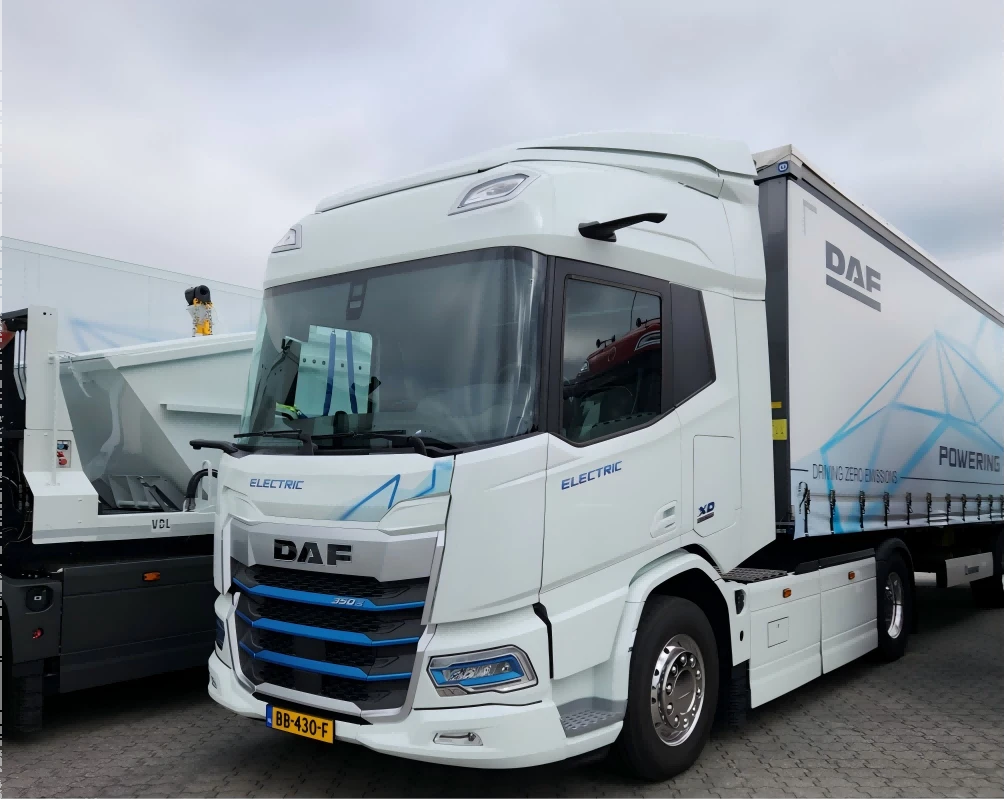
DAF previously rolled out two heavy-duty electric truck models, the XD Electric and XF Electric, which entered mass production late last year. These two models come with moderately sized cabs, a raised floor design, and an optional standard-length sleeper berth.
The newly launched XG and XG+, by contrast, target the premium transportation market directly. They are built on the cab with the tallest roof and longest sleeper berth from DAF's new-generation platform. The XG+ model in particular, with its spacious interior, is hailed as "one of Europe's largest truck cabins", fully satisfying drivers' demand for long-hour operation with high comfort
DAF's "Mobile Hotel" Goes Electric
Powertrain
Both models are fitted with Paccar EX-D2 electric motors with an output ranging from 370 to 480 horsepower, matched with a 3-speed transmission designed by ZF. The compact system is integrated between the frame rails.
Battery & Range
The trucks adopt LFP (lithium iron phosphate) traction batteries with a maximum capacity of 525 kWh. Official figures show a driving range of nearly 500 kilometers at a gross vehicle weight of 40 tons.
Charging Efficiency
The models support DC fast charging at up to 325 kW, which can replenish a considerable amount of range in an estimated 15–20 minutes, greatly boosting the operational flexibility of electric trucks.
Ambitious Vision, Harsh Reality
According to data from the European Automobile Manufacturers Association (ACEA), the electrification of Europe's commercial vehicles is accelerating driven by policy, yet a vast gap persists between the current situation and set targets. Take the first three quarters of 2025 as an example: while the electrification registration rate of new trucks (including heavy-duty trucks) rose to 3.8% year on year, electric models make up only 0.1% of the total heavy-duty truck fleet actually running on roads.
To achieve its 2030 emission reduction targets, the European Union introduced stricter industrial plans in 2025, including proposals to eliminate tax incentives for fuel-powered vehicles and set zero-emission vehicle procurement quotas for corporate fleets, putting pressure on both the supply and demand sides.
Nevertheless, fundamental bottlenecks in the transition remain prominent. The construction of high-power charging networks for long-haul heavy-duty trucks is seriously lagging behind. Given insufficient charging infrastructure, the high purchase cost of electric trucks makes it difficult to realize their total cost of ownership advantages. It is against this backdrop of "strict policy pressure" and "inadequate supporting conditions" that the debut of the DAF XG+ Electric carries clearer strategic intent:
01
Flagship showcase of technological strength
First and foremost, it is a flagship product demonstrating the pinnacle of technology. With its 500-kilometer range and class-leading cab size, it proves that battery-electric heavy-duty trucks are truly capable of competing in long-haul trunk transportation, meeting the requirements of the strictest environmental policies.
02
Defining future competitive dimensions
It also signals that vehicle electrification is more than just a powertrain replacement - it is also an opportunity to move toward premium positioning and enhanced driver comfort.
03
Exploring viable use cases
It targets premium logistics operators less price-sensitive but focused on sustainable branding, as well as operators in regions with mature charging infrastructure like the Netherlands and Germany. Meeting this niche yet critical demand helps DAF accumulate irreplaceable data and operational experience in real long-haul scenarios.
Conclusion
The launch of the DAF XG+ Electric is both a demonstration of the company's vision for the future of long-haul transportation through cutting-edge technology, and an important market trial amid complex real-world conditions. For truck drivers and industry observers worldwide, it makes clear that the electrification of commercial vehicles has entered deep waters: future competition will be a comprehensive contest of technological innovation, infrastructure support, cost optimization and full-scenario user experience. Europe's bold exploration and the challenges it faces serve as a valuable mirror for global markets that are also navigating the wave of industrial transformation.


