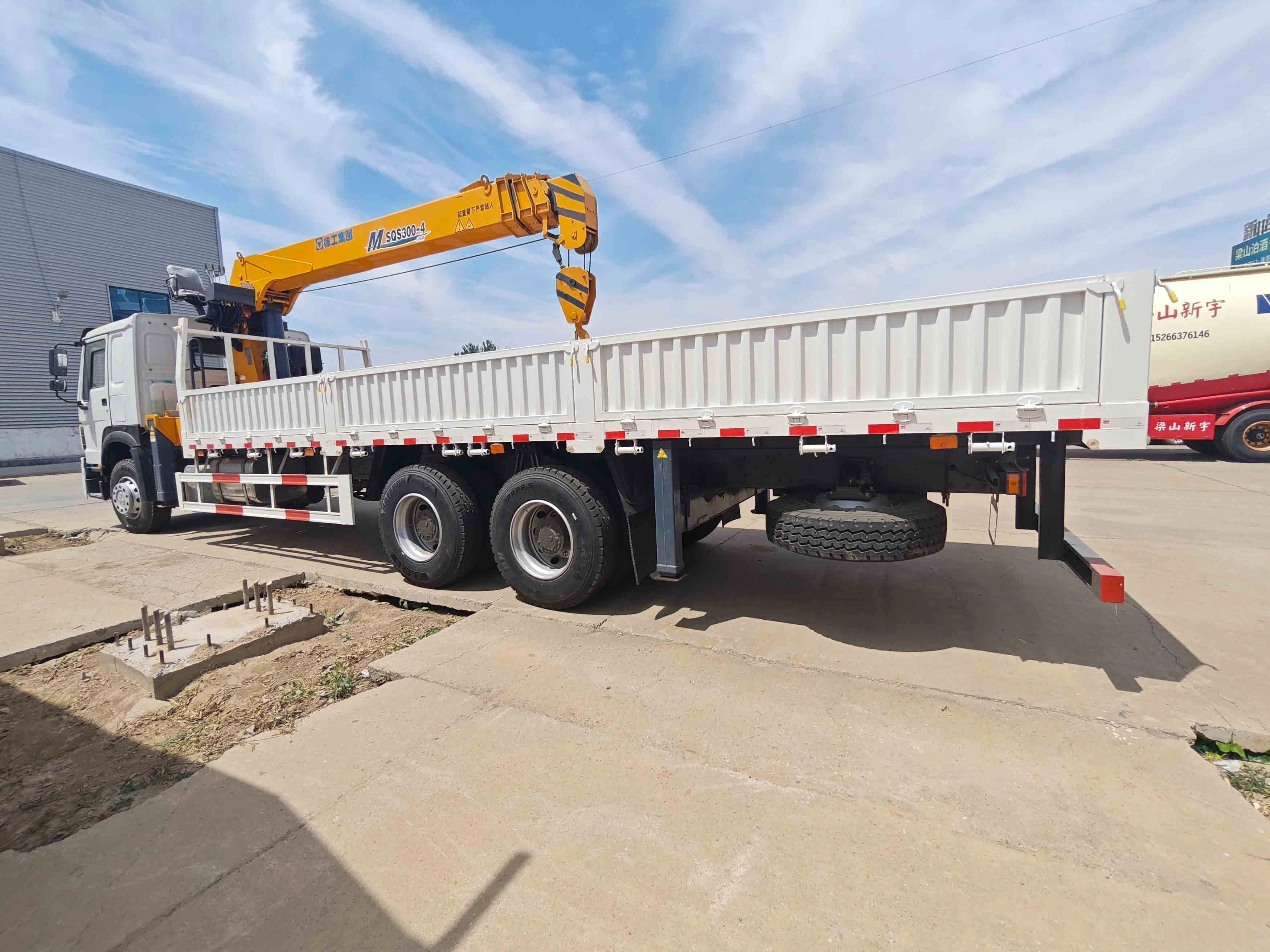
As a seasoned tractor head supplier, I've witnessed firsthand the diverse needs and challenges faced by businesses in the transportation and logistics sectors. One crucial aspect that often gets overlooked but is fundamental to the longevity and performance of tractor heads is proper storage. In this blog, I'll delve into the essential storage requirements for tractor heads, drawing on my years of experience in the industry.
Environmental Conditions
The environment in which a tractor head is stored plays a pivotal role in its preservation. Extreme temperatures, humidity, and exposure to the elements can all take a toll on the vehicle's components.
Temperature
Tractor heads are designed to operate within a specific temperature range. When stored, it's important to keep them in an environment where the temperature remains relatively stable. Drastic temperature fluctuations can cause condensation to form inside the vehicle, leading to rust and corrosion on metal parts. For example, if a tractor head is stored in an unheated shed during the winter, the cold temperatures can cause moisture in the air to condense on the engine block and other metal surfaces. Over time, this can lead to rust and damage to the engine.
On the other hand, excessive heat can also be detrimental. High temperatures can cause rubber seals and gaskets to deteriorate, leading to leaks in the engine and other systems. It can also cause the battery to lose its charge more quickly. Ideally, tractor heads should be stored in a climate-controlled environment where the temperature is maintained between 50°F and 80°F (10°C and 27°C).
Humidity
Humidity is another factor that can cause significant damage to tractor heads. High humidity levels can lead to the growth of mold and mildew, which can damage the interior of the vehicle and cause health problems for the driver. It can also cause metal parts to rust and corrode. To prevent these issues, it's important to store tractor heads in a dry environment with low humidity levels. If possible, use a dehumidifier in the storage area to keep the humidity below 50%.
Exposure to the Elements
Exposure to rain, snow, and sunlight can also cause damage to tractor heads. Rain and snow can cause rust and corrosion on metal parts, while sunlight can fade the paint and damage the interior of the vehicle. To protect tractor heads from the elements, they should be stored in a covered area, such as a garage or a shed. If a covered area is not available, use a high-quality vehicle cover to protect the tractor head from the rain, snow, and sunlight.
Storage Location
The location where a tractor head is stored is also important. It should be a secure and accessible area that is free from hazards.
Security
Tractor heads are valuable assets, and it's important to store them in a secure location to prevent theft and vandalism. Choose a storage area that is well-lit and has security measures in place, such as a fence, a gate, and a security camera. If possible, store the tractor head in a locked garage or a storage facility with 24/7 security.
Accessibility
The storage location should also be accessible, especially if the tractor head needs to be retrieved quickly. Make sure there is enough space to maneuver the tractor head in and out of the storage area, and that the entrance and exit are wide enough to accommodate the vehicle. If the tractor head needs to be transported to another location, make sure the storage area is close to a major road or highway.
Hazards
Avoid storing tractor heads in areas that are prone to flooding, earthquakes, or other natural disasters. These events can cause significant damage to the vehicle and may even render it unusable. Additionally, make sure the storage area is free from hazards such as sharp objects, chemicals, and flammable materials.
Maintenance Before Storage
Proper maintenance before storage is essential to ensure that the tractor head remains in good condition during the storage period.
Fluid Checks and Changes
Before storing the tractor head, check the levels of all fluids, including the engine oil, the coolant, the transmission fluid, and the brake fluid. If any of the fluids are low, top them off. It's also a good idea to change the engine oil and the oil filter before storage to remove any contaminants that may have accumulated in the engine.
Battery Maintenance
The battery is an important component of the tractor head, and it needs to be properly maintained before storage. Remove the battery from the vehicle and store it in a cool, dry place. If possible, charge the battery to 100% before storage and then recharge it every few months to prevent it from losing its charge.
Tire Maintenance
The tires are another important component of the tractor head, and they need to be properly maintained before storage. Check the tire pressure and make sure it is at the recommended level. If the tires are worn or damaged, replace them before storage. It's also a good idea to rotate the tires to prevent uneven wear.
Cleaning
Before storing the tractor head, give it a thorough cleaning. Wash the exterior of the vehicle to remove any dirt, grime, and debris. Clean the interior of the vehicle, including the seats, the dashboard, and the floor mats. This will help prevent the growth of mold and mildew and will keep the vehicle looking its best.
Storage Duration
The length of time a tractor head is stored can also affect its storage requirements.
Short-Term Storage
For short-term storage (less than three months), the tractor head can be stored in a covered area without much additional preparation. However, it's still a good idea to perform a basic maintenance check before storage, including checking the fluid levels, the battery, and the tires.
Long-Term Storage
For long-term storage (more than three months), additional steps are required to ensure the tractor head remains in good condition. In addition to the maintenance steps mentioned above, it's also a good idea to take the following precautions:
- Disconnect the battery: This will prevent the battery from draining and will also protect the electrical system from damage.
- Cover the air intake and exhaust: This will prevent dirt and debris from entering the engine.
- Apply a protective coating: Apply a protective coating to the exterior of the vehicle to prevent rust and corrosion.
- Store the vehicle on blocks: This will relieve the pressure on the tires and will prevent them from developing flat spots.
Our Tractor Head Offerings
At our company, we offer a wide range of high-quality tractor heads to meet the diverse needs of our customers. Whether you're looking for a heavy-duty, fuel-efficient tractor head for long-haul transportation or a durable diesel tractor for hauling, we have the perfect solution for you.
Check out our Heavy Duty | Fuel Efficient | 4x2 HOWO Truck Tractor, which is designed for maximum performance and efficiency. It features a powerful engine, advanced transmission system, and state-of-the-art safety features.


If you need a more powerful tractor head, our Heavy Duty Diesel | 371HP Engine | 6X4 Tractor Truck is the perfect choice. With its high horsepower engine and robust construction, it can handle even the toughest jobs.
For those looking for a reliable and durable tractor head, our Durable 6X4 Diesel Tractor, Shaanxi F3000 Truck For Hauling is an excellent option. It's built to last and is ideal for heavy-duty hauling applications.
Contact Us for Procurement
If you're interested in purchasing a tractor head or have any questions about our storage requirements or products, please don't hesitate to contact us. Our team of experts is ready to assist you with all your tractor head needs. We can provide you with detailed information about our products, help you choose the right tractor head for your business, and answer any questions you may have. Let's start a conversation and find the perfect tractor head solution for you.
References
- "Truck Maintenance and Repair Manual" by the American Trucking Associations
- "Automotive Storage and Preservation Guide" by the Society of Automotive Engineers